Are Interdental Brushes Safe for Sensitive Gums and Bleeding?
Have you ever tried an interdental brush and immediately worried when you saw a bit of blood in the sink? Bleeding gums are one of the most common reasons people avoid interdental cleaning altogether, even when they brush twice a day. Proper dental hygiene is not just about clean teeth; it is about healthy gums that can protect your teeth for life. Small daily habits, including how you clean between your teeth, can quietly add up over time. Avoiding interdental cleaning due to fear actually allows gum problems to progress unnoticed.
Why Do Gums Bleed When Using Interdental Brushes?
Bleeding gums are usually a sign of inflammation, not injury. When plaque builds up between teeth, it irritates the gum tissue and triggers gingivitis, the earliest stage of gum disease. Inflamed gums bleed more easily, especially when you first introduce interdental brushes.
For most people, light bleeding during the first few days of interdental brushing is normal. It indicates that plaque and bacteria are being disturbed for the first time in areas that were previously neglected. Healthy gums should not bleed, but inflamed gums often do until they begin to heal.
When Is Bleeding Not Normal?
While mild bleeding can be expected at first, persistent or heavy bleeding is not something to ignore. If your gums continue to bleed after one to two weeks of gentle daily interdental cleaning, this may indicate more advanced gum disease, such as periodontitis.
Warning signs that require a dental check include:
- Bleeding that worsens over time
- Swollen or painful gums
- Receding gums or loose teeth
- Persistent bad breath
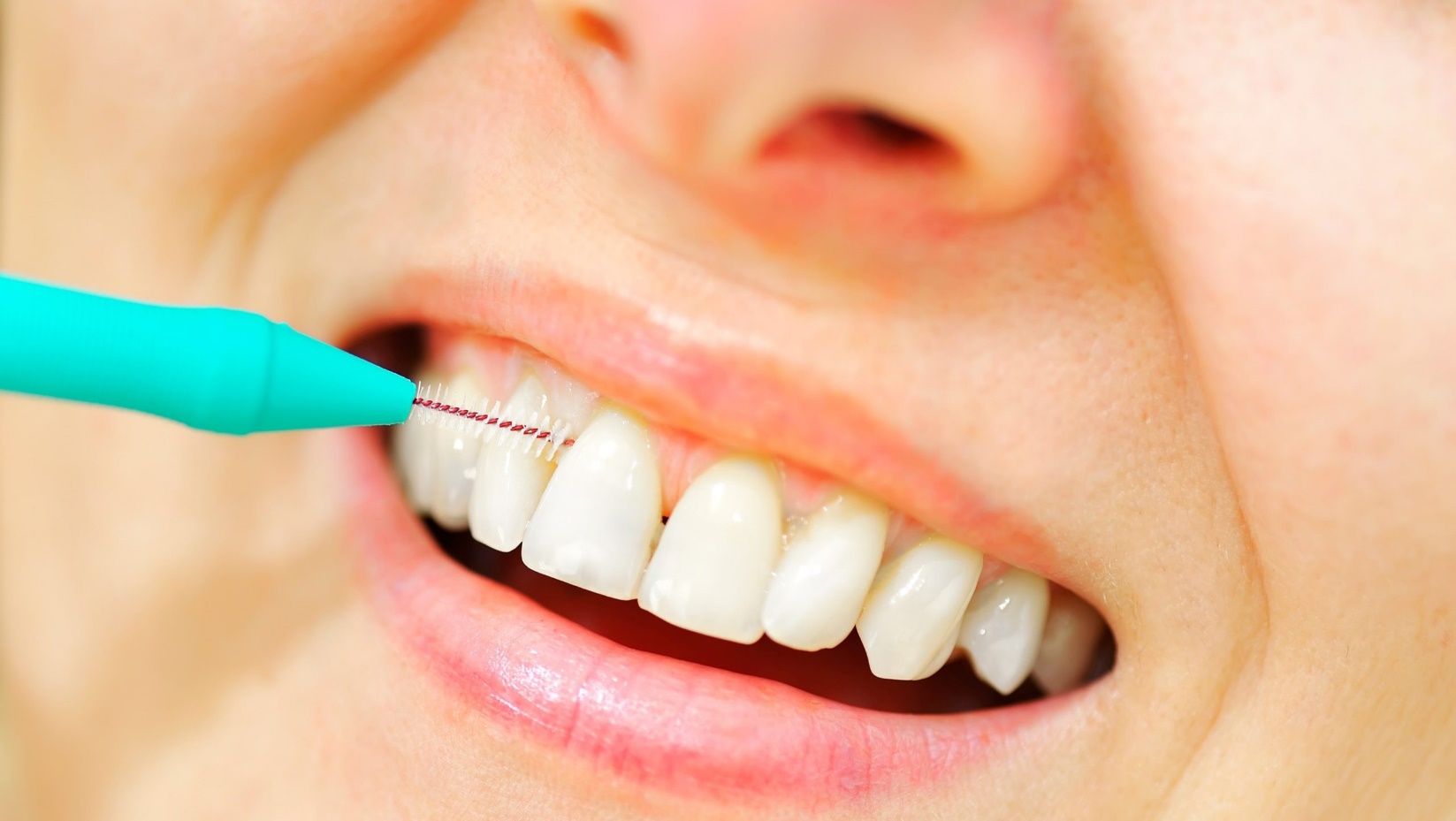
Interdental brushes are safe for sensitive gums when used correctly, but they should never cause sharp pain or visible damage. If they do, the brush size or technique may be incorrect.
How Interdental Brushes Improve Gum Health Over Time
Interdental brushes are one of the most effective tools for removing plaque between teeth, an area where a standard toothbrush cannot reach. By consistently removing plaque, inflammation gradually reduces. As gums heal, bleeding decreases and sensitivity improves. This is why dental professionals often encourage patients to continue interdental cleaning even if mild bleeding occurs at first, as stopping only allows inflammation to persist. Over time, healthy gums become firmer, pinker, and less prone to bleeding.
Using Interdental Brushes Safely for Sensitive Gums
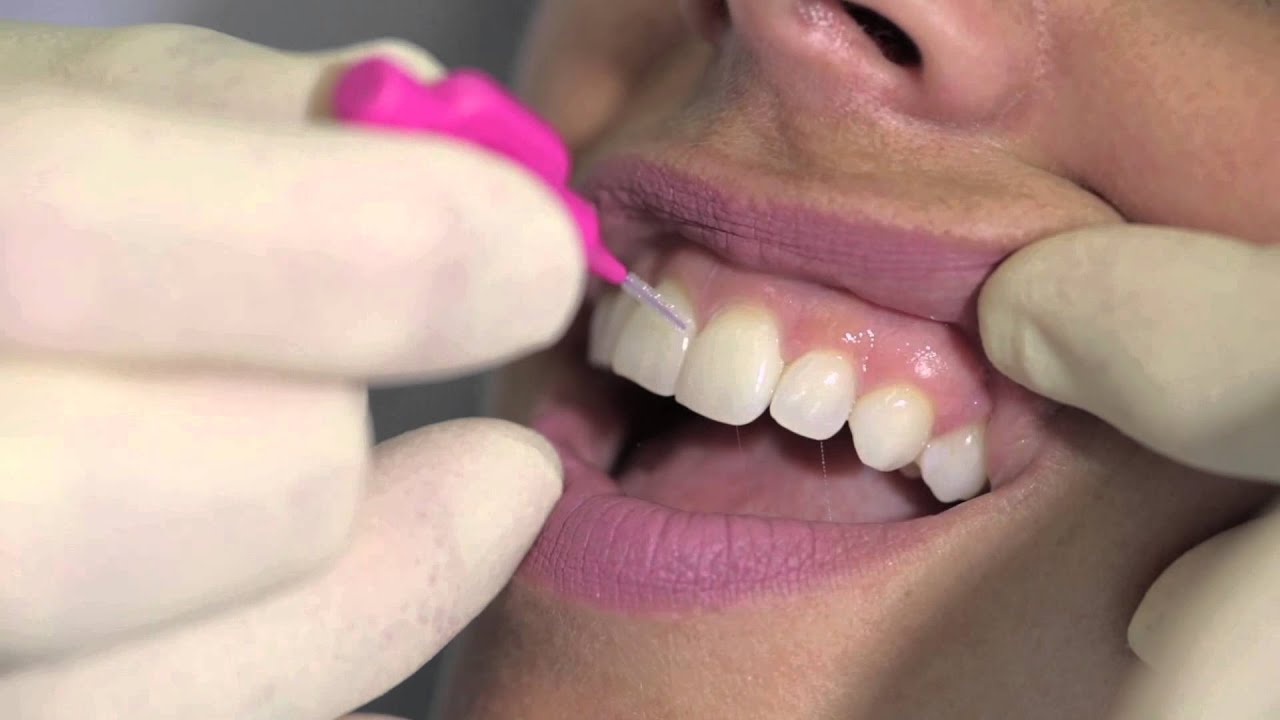
Safety depends on choosing the right brush and using it gently. The brush should slide between teeth with slight resistance but never force. For sensitive or bleeding gums, smaller sizes are usually recommended initially.
Key tips include:
- Use the smallest effective brush size
- Insert gently without twisting aggressively
- Clean once daily, preferably in the evening
- Rinse the brush during use and replace it regularly
If you feel unsure, a dentist can measure your interdental spaces and recommend the correct sizes.
Conclusion
Bleeding gums can feel alarming, but in many cases, they are a signal that your gums need more care, not less. With small daily changes and the right technique, interdental brushes can help restore gum health rather than harm it. Sensitive gums can become stronger and healthier when plaque is consistently removed. If bleeding persists, professional guidance can make all the difference. Improving your oral hygiene is a gradual process and every gentle step you take supports healthier gums for the long term.
Sources
- NHS - Gum disease: https://www.nhs.uk/conditions/gum-disease/
- British Society of Periodontology and Implant Dentistry: https://www.bsperio.org.uk/
- European Federation of Periodontology: https://www.efp.org/
- National Institute for Health and Care Excellence: https://www.nice.org.uk/guidance/ng48
- Journal of Clinical Periodontology: https://onlinelibrary.wiley.com/journal/1600051x