How to Choose the Right Interdental Brush Size (And Why Size Matters)
Have you ever wondered whether your interdental brush actually fits your teeth - or if it is just the one you happened to pick up at the pharmacy? Many people use interdental brushes every day without realising that the size they are using may be doing more harm than good. Proper dental hygiene is not just about brushing twice daily; it is about cleaning effectively between the teeth, where up to 40% of plaque can remain. Small, repeated mistakes - like using the wrong interdental brush size - can quietly add up over time. The good news is that it is easy to fix once you know what to look for.
Why Interdental Brush Size Matters
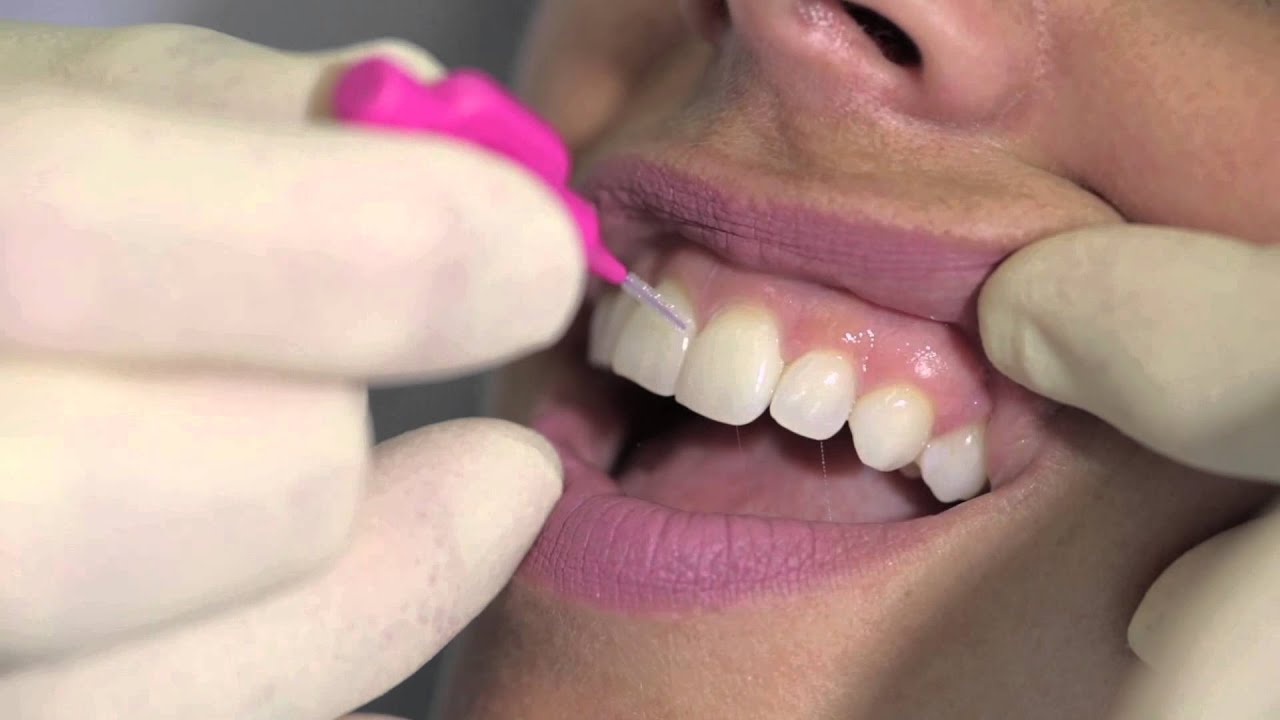
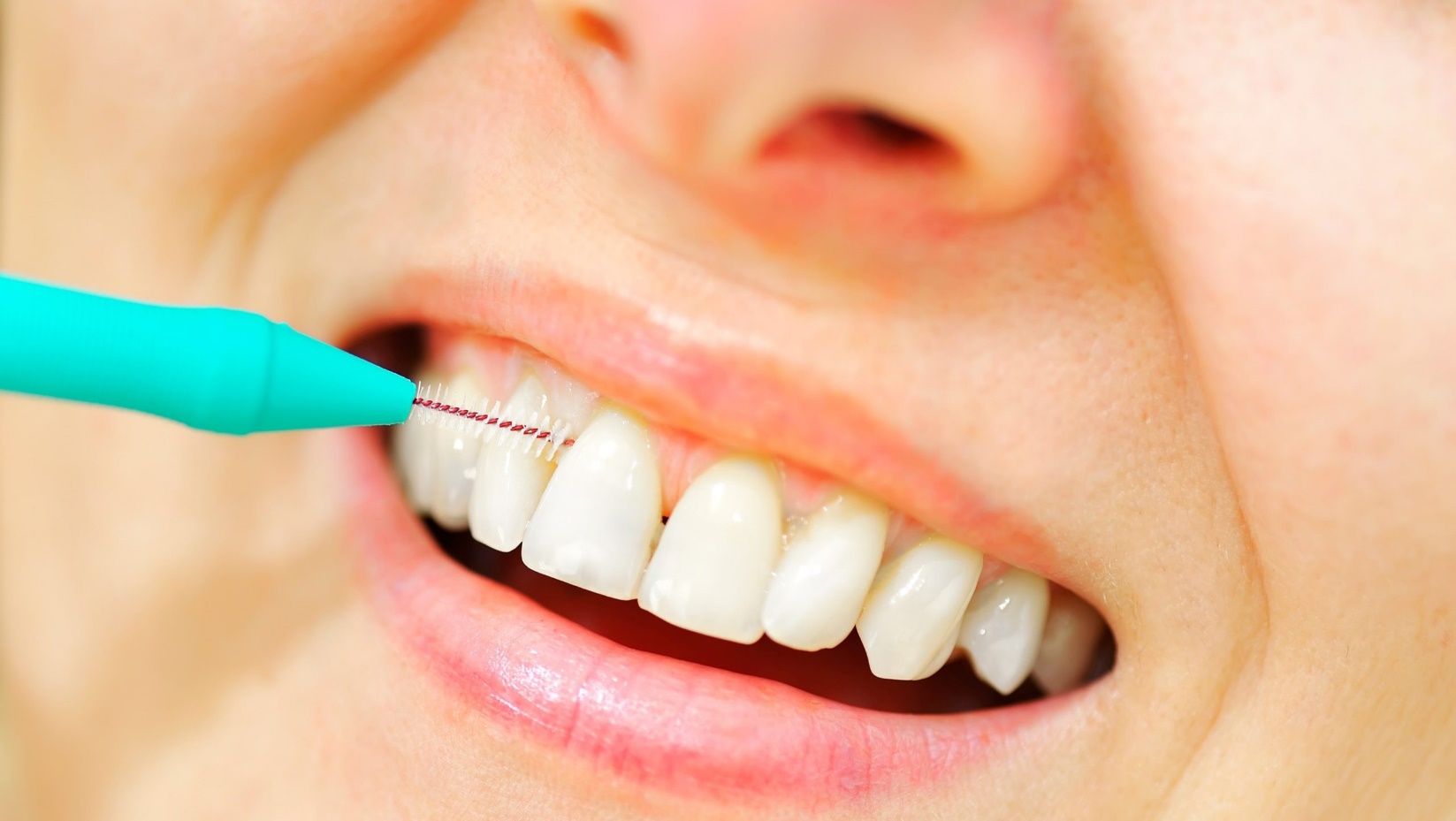
Interdental brushes are designed to clean the spaces between teeth, especially for adults with gum recession, wider interdental spaces, crowns or orthodontic work. However, they only work properly if the size is correct.
- Too small and the brush will not contact tooth surfaces properly - leaving plaque behind.
- Too large and it can forcefully stretch the gums, causing trauma, bleeding or gum recession.
Ineffective interdental cleaning is a key risk factor for gum disease, even in people who brush regularly.
The Most Common Mistake: Guessing the Size
One of the most common habits is people choosing a single interdental brush size and using it everywhere. In reality, most mouths require more than one size, because the spaces between teeth vary naturally. Another misconception is that bleeding means “you are cleaning well.” In fact, persistent bleeding often indicates inflammation or mechanical trauma, especially when the brush is too large. Interdental brushes should slide in with gentle resistance, never force.
How to Tell If the Fit Is Correct
A correctly sized interdental brush should:
- Enter the space without force
- Make light contact with both teeth
- Not bend excessively or cause sharp pain
- Cause minimal bleeding after the first few uses
If you need to push hard, the brush is too big. If it feels loose or “does nothing,” it is likely too small. Many dental professionals use colour-coded sizing systems and a probe to identify the correct size for each space - something worth asking about at your next check-up.
Risks of Using the Wrong Size
Using the wrong interdental brush size repeatedly can lead to:
- Gum damage and recession (from oversized brushes)
- Incomplete plaque removal (from undersized brushes)
- Increased risk of gingivitis and periodontitis
- False confidence that you are cleaning well when plaque is left behind
If in doubt, ask a dental hygienist to size your interdental spaces professionally - it takes just minutes and can prevent years of gum problems.
Conclusion
Choosing the right interdental brush size is not about perfection – it is about small, informed daily choices that protect your gums long-term. If you have been using the wrong size, do not worry; this is incredibly common and easily corrected. With the right fit, interdental brushing becomes more comfortable, more effective and far safer for your gums. A few mindful adjustments today can make a real difference to your oral health tomorrow.
Sources
- NHS – Gum Disease: https://www.nhs.uk/conditions/gum-disease/
- British Society of Dental Hygiene and Therapy: https://www.bsdht.org.uk/
- European Federation of Periodontology: https://www.efp.org
- Cochrane Oral Health Group – Home use of interdental cleaning devices, in addition to toothbrushing, for preventing and controlling periodontal diseases and dental caries: https://www.cochranelibrary.com/cdsr/doi/10.1002/14651858.CD012018.pub2/full
- American Dental Association: https://www.ada.org