How Often Should You Use Interdental Brushes?

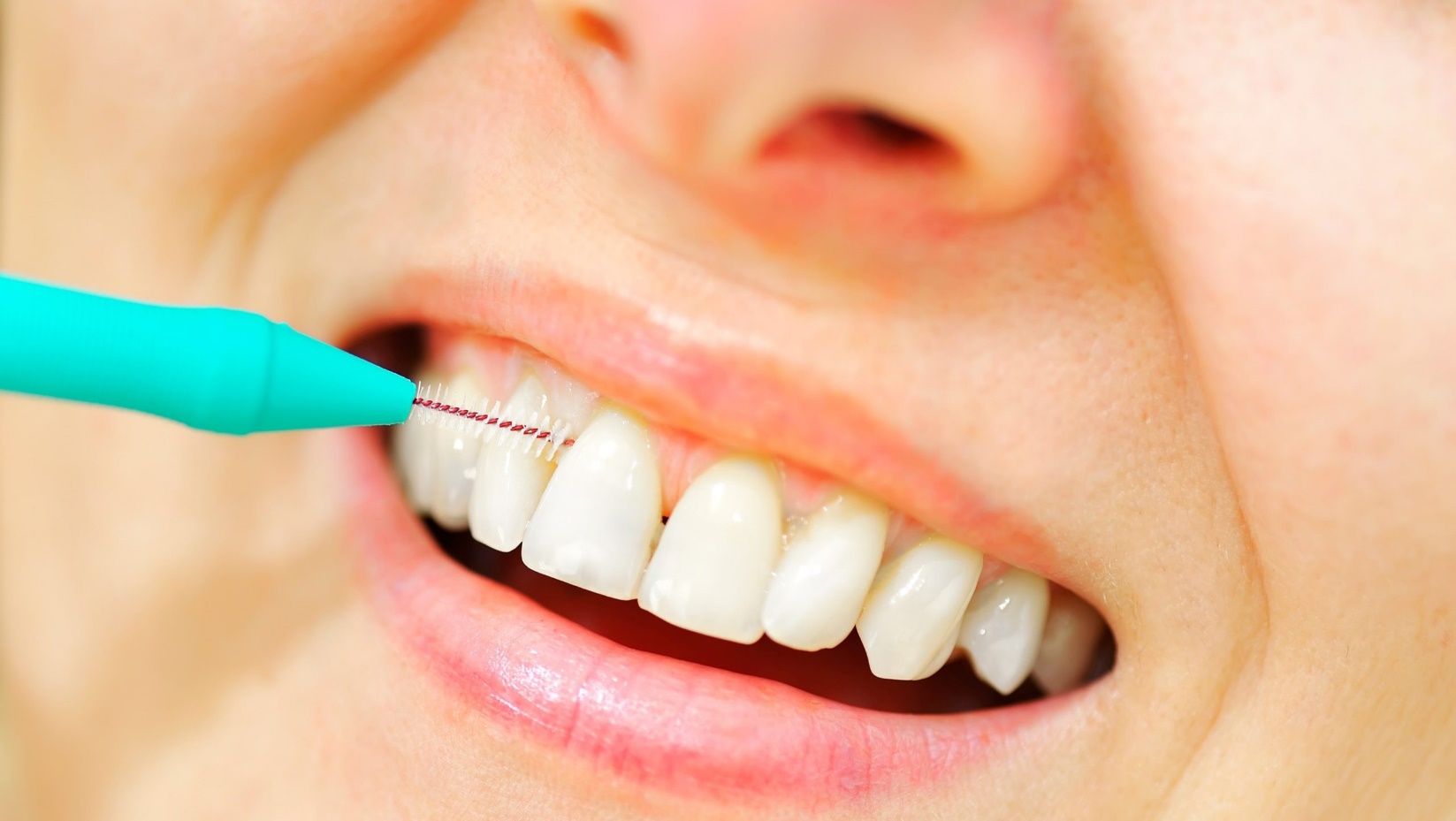
Do you ever wonder if brushing alone is enough to keep your gums and teeth healthy? Many people brush twice daily but forget that up to 40% of tooth surfaces are missed without cleaning between teeth. Small gaps in your oral hygiene routine can quietly lead to plaque buildup, gum inflammation and even cavities over time. Incorporating interdental brushes into your daily routine is one of the most effective ways to protect gum health and prevent long-term problems. With the right guidance, interdental cleaning becomes simple, effective and manageable.
Why Daily Interdental Cleaning Matters
Plaque is the sticky film of bacteria that naturally forms on teeth. If not removed, it can harden into tartar, inflame the gums and eventually contribute to gum disease. Cleaning between teeth is essential for maintaining healthy gums and preventing gingivitis. Brushing alone does not reach these tight spaces, so interdental brushes play a critical role in disrupting plaque before it causes harm. Daily interdental cleaning is the most reliable way to reduce plaque and gum bleeding. Skipping days can allow inflammation to persist, even if you brush thoroughly.
How Often Should You Use Interdental Brushes?
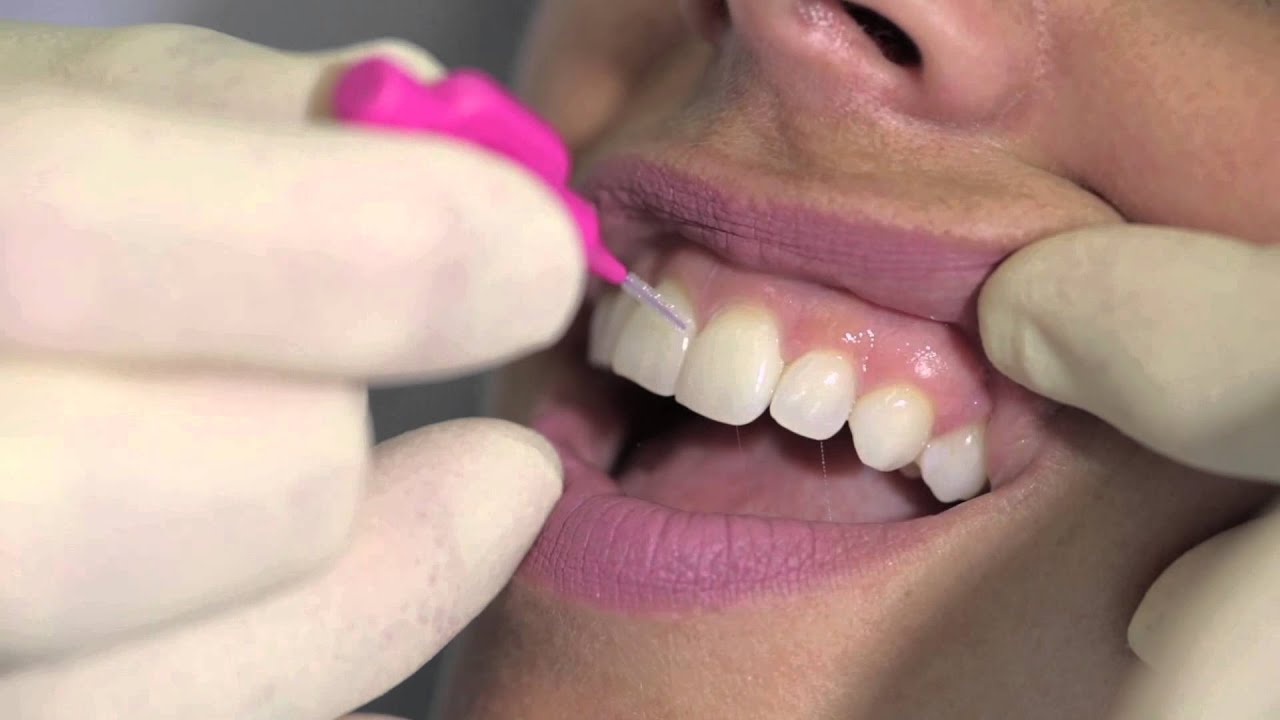
Experts recommend using interdental brushes once daily as part of your routine. The best time to use them is usually before brushing at night, because removing plaque before sleep allows your gums and teeth to rest in a cleaner state. Some people prefer morning use, especially if they struggle with bad breath or food trapped between teeth after meals. The key is consistency, not the exact timing.
Daily use of the correct interdental brush size can significantly reduce gum inflammation over just a few weeks.
Choosing the Correct Size
Using the right brush size is essential for both safety and effectiveness. The brush should slide gently between your teeth with slight resistance. Brushes that are too small may not remove enough plaque, while brushes that are too large can damage gums. Dental professionals can help measure your interdental spaces and recommend the appropriate sizes, especially for sensitive or inflamed gums.
How Interdental Brushes Fit Into Your Oral-Care Routine
A simple, effective routine might look like this:
- Brush twice daily with fluoride toothpaste.
- Use interdental brushes once daily to remove plaque between teeth.
- Rinse with an alcohol-free mouthwash if desired.
- Maintain regular dental check-ups for professional cleaning and guidance.
This combination targets both tooth surfaces and interdental spaces, providing comprehensive protection against gum disease and cavities.
Common Mistakes to Avoid
Many people stop using interdental brushes when gums bleed, but mild bleeding usually indicates inflammation and improves with consistent use. Another mistake is rushing the process or forcing the brush between teeth, which can irritate gums. Gentle, regular use is always more effective than occasional aggressive cleaning.
Conclusion
Incorporating interdental brushes into your daily routine is a simple yet powerful way to protect your gums and teeth. Even small, consistent steps make a significant difference over time. By using the correct brush size and maintaining regular use, you can reduce bleeding, prevent gum disease and enjoy fresher breath. Daily interdental cleaning is not complicated, but it is one of the most effective habits for long-term oral health.
Sources
- NHS - Gum disease: https://www.nhs.uk/conditions/gum-disease/
- British Society of Periodontology and Implant Dentistry: https://www.bsperio.org.uk/
- European Federation of Periodontology: https://www.efp.org/
- National Institute for Health and Care Excellence: https://www.nice.org.uk/guidance/ng48
- Journal of Clinical Periodontology: https://onlinelibrary.wiley.com/journal/1600051x