Interdental Picks vs Interdental Brushes: Which One Is Right for You?
Have you ever stood in the oral care aisle wondering whether interdental picks or interdental brushes are actually necessary or which one would realistically fit into your daily routine? Many people brush twice a day yet still struggle with gum bleeding, food trapped between teeth or bad breath. Proper dental hygiene goes beyond brushing alone and small daily gaps in cleaning can slowly lead to gum disease over time. Choosing the right interdental tool is less about perfection and more about finding what you will consistently use and use correctly.
Why Cleaning Between Teeth Matters
Toothbrushes are excellent for cleaning tooth surfaces, but they cannot effectively reach the spaces between teeth where plaque accumulates. Interdental cleaning is essential for preventing gingivitis and periodontitis. When plaque remains undisturbed, it triggers inflammation, gum bleeding and eventually bone loss. Both interdental picks and interdental brushes aim to address this problem, but they do so in different ways.
Interdental Picks: Convenience and Portability
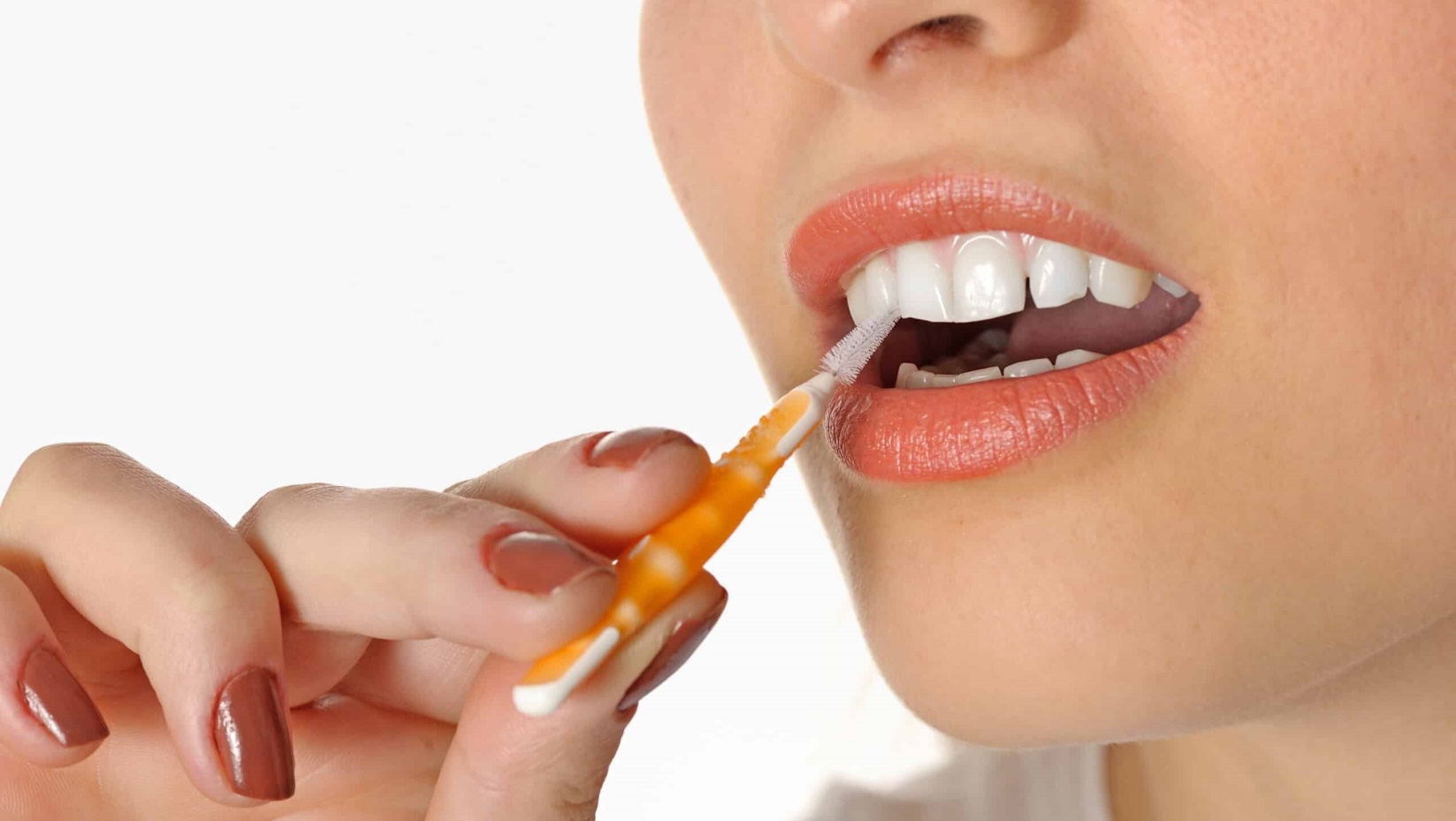
Interdental picks are typically small plastic tools with a tapered tip, sometimes combined with a silicone or rubber texture. Their main advantage is convenience. They are easy to use, discreet and ideal for travel, work, or quick cleaning after meals.
For people who are new to interdental cleaning or have very tight spaces, picks may feel less intimidating. They are also useful for occasional cleaning when brushing is not possible. Interdental picks are best viewed as a supportive tool rather than a full replacement for daily interdental cleaning.
Interdental Brushes: Effectiveness and Gum Health
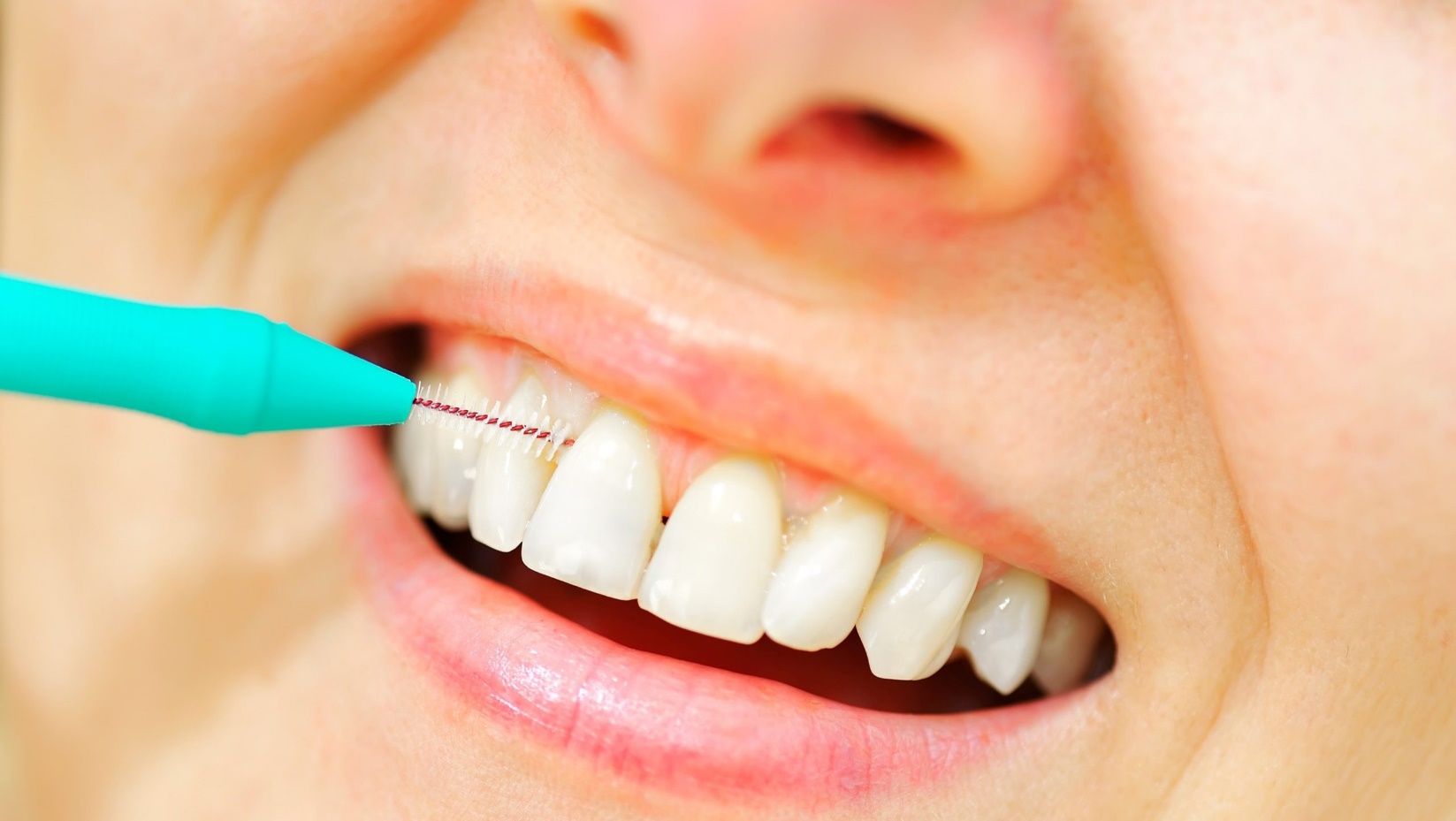
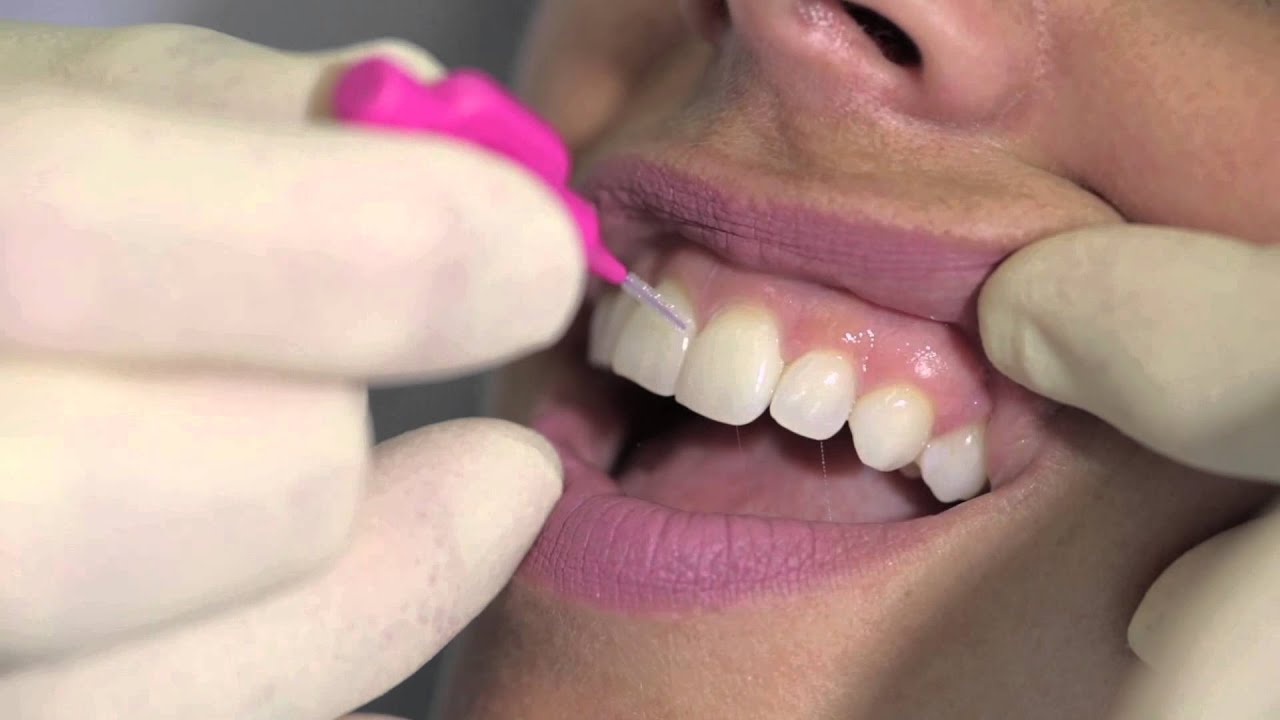
Interdental brushes are small cylindrical or conical brushes designed to fill the space between teeth. When correctly sized, they mechanically disrupt and remove plaque. Interdental brushes reduce plaque and gum inflammation more efficiently for most adults.
They are especially beneficial for people with gum recession, orthodontic appliances, implants or bridges. While they may take slightly more time to use and require choosing the correct size, their long-term benefits for gum health are significant. Initial bleeding is common but usually reduces as inflammation improves.
Daily Routines and Lifestyle Considerations
Choosing between interdental picks and brushes often comes down to lifestyle. If you travel frequently, work long hours or struggle with consistency, interdental picks may help you maintain some level of interdental cleaning rather than none at all.
For home use, especially in the evening, interdental brushes are generally the more effective choice. Many dental professionals recommend combining both, using interdental brushes as the primary daily tool and picks as a convenient backup when needed.
Common Mistakes to Avoid
A common mistake is assuming that any interdental tool is equally effective. Another is stopping use when gums bleed, which often indicates inflammation rather than harm. Using the wrong size brush or forcing it between teeth can also cause discomfort. Professional guidance can help ensure the correct technique and size.
Conclusion
Improving oral hygiene does not require drastic changes, just informed and consistent ones. Whether you choose interdental picks, interdental brushes or a combination of both, the most important step is cleaning between your teeth every day. Small habits repeated over time lead to healthier gums, fresher breath and better long-term oral health. With the right tool for your lifestyle and proper technique, meaningful improvement is well within reach.
Sources
- NHS - Gum disease: https://www.nhs.uk/conditions/gum-disease/
- British Society of Periodontology and Implant Dentistry: https://www.bsperio.org.uk/
- European Federation of Periodontology: https://www.efp.org/
- National Institute for Health and Care Excellence: https://www.nice.org.uk/guidance/ng48