Choosing the Right Manual Toothbrush: Bristle Type, Head Size and Handle Design

Choosing a manual toothbrush may seem straightforward, yet research and clinical guidance consistently show that toothbrush design has a measurable impact on plaque removal, gum health and the risk of tooth wear. An inappropriate brush can reduce cleaning effectiveness or contribute to enamel abrasion and gingival recession over time. Because manual toothbrushes rely heavily on user technique, selecting the right head size, handle design and bristle type is an important part of evidence-based oral hygiene.
Bristle Type: Soft vs Medium vs Hard
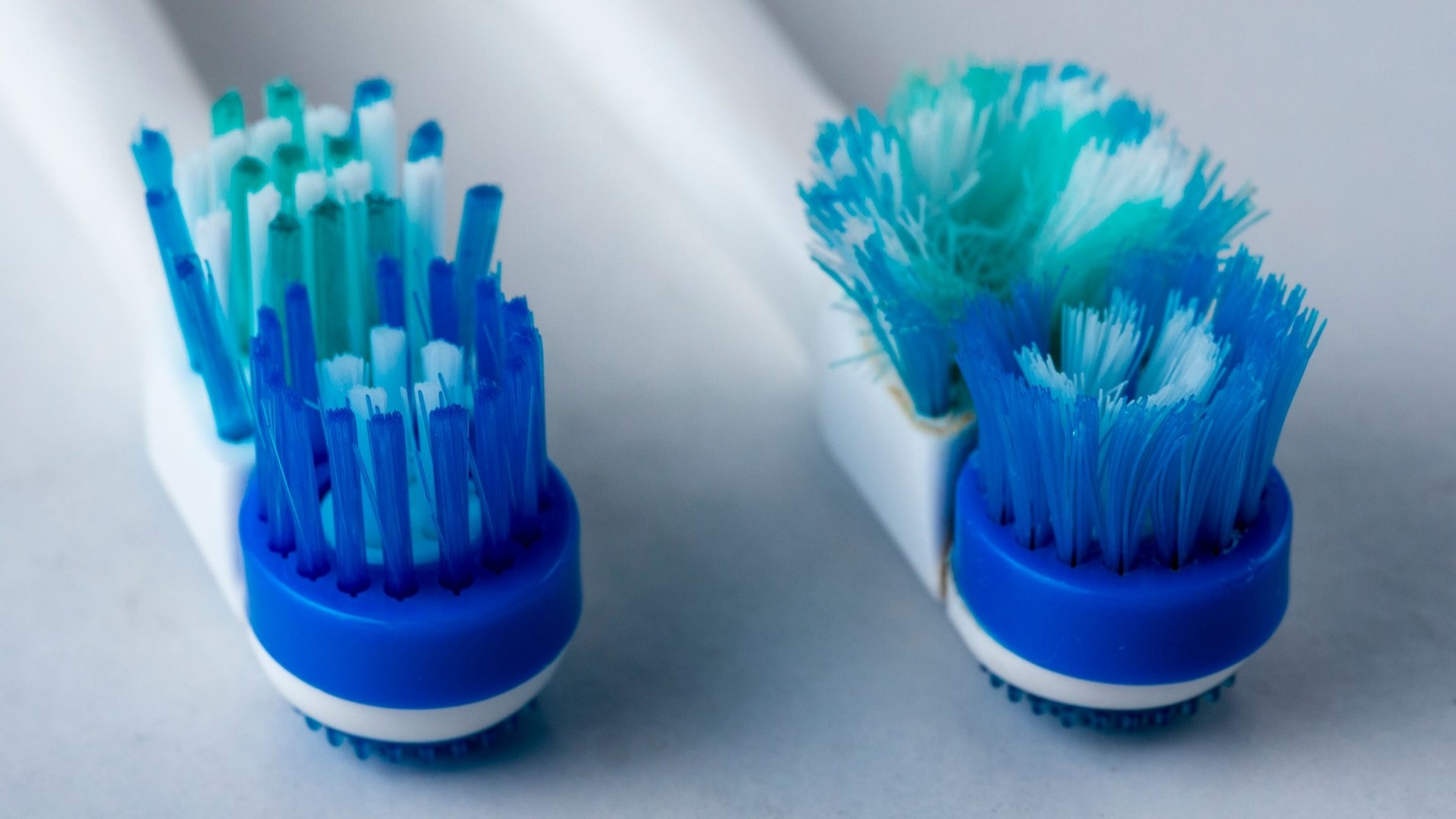
Bristle stiffness is one of the most extensively studied aspects of toothbrush design. Research shows that soft bristles are effective at plaque removal while being less abrasive to enamel and dentine hard bristles.
Medium bristles may feel more effective to some users, but research indicates they can increase the risk of enamel abrasion and gingival irritation, particularly when combined with high brushing force or abrasive toothpaste. For this reason, major dental organizations recommend soft-bristled toothbrushes for routine daily use.
Soft bristles flex more easily, allowing them to adapt to tooth contours and reach the gingival margin without damaging soft tissues. This is especially important for individuals with existing enamel wear, gum recession or dentine exposure.
Head Size: Precision and Access
Toothbrush head size directly affects how well plaque can be removed from all tooth surfaces. Clinical guidance consistently recommends smaller or compact heads because they allow better access to posterior teeth and improved control during brushing. Larger heads may cover more surface area, but they can reduce precision and make it difficult to clean around molars and along the gumline.
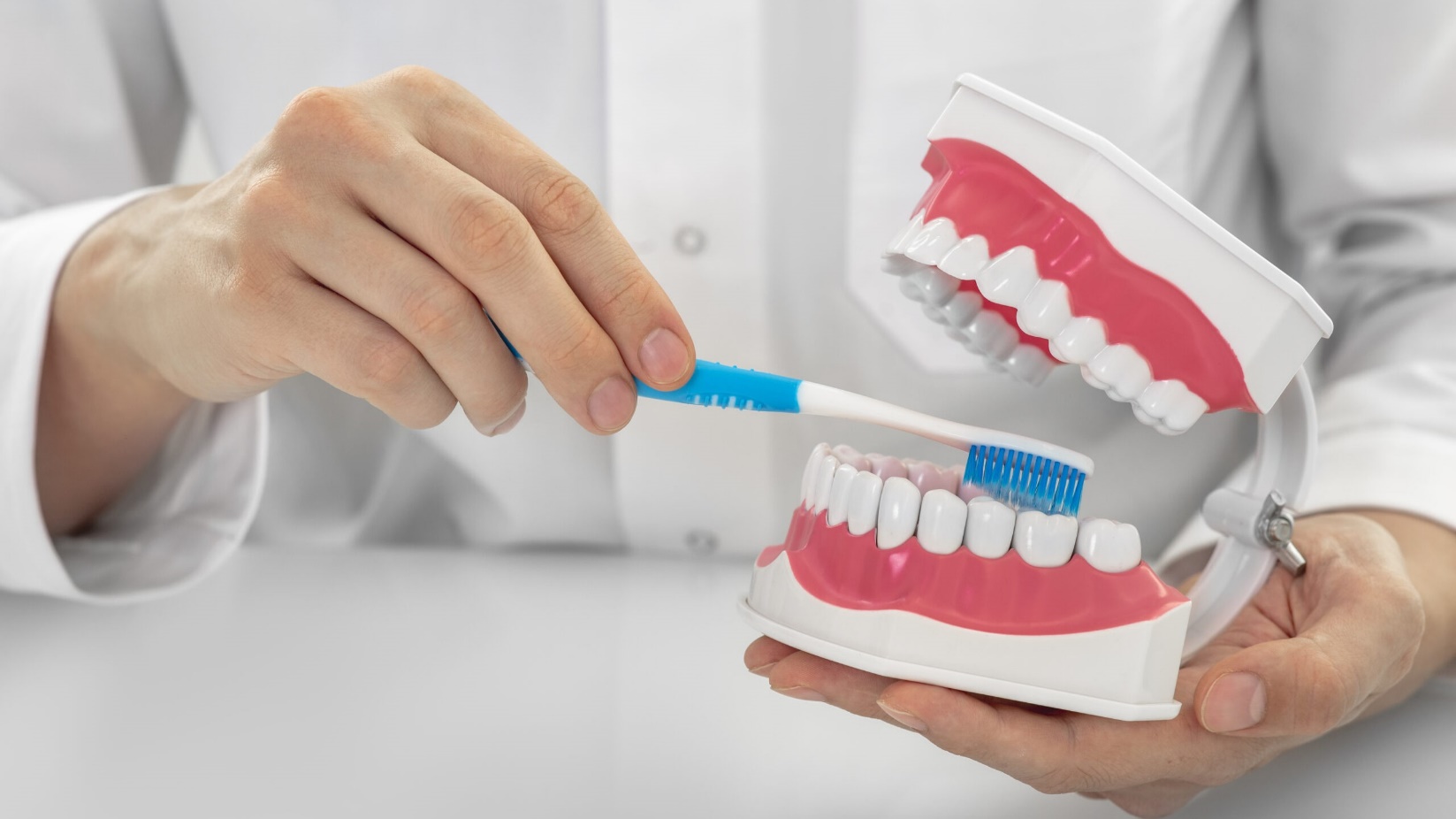
Studies on brushing efficacy indicate that targeted, controlled movements are more important than surface coverage alone. A smaller head supports brushing one or two teeth at a time, which aligns with recommended techniques aimed at minimizing missed areas and uneven pressure distribution.
From a clinical perspective, head size should allow comfortable access to all teeth without stretching the cheeks or forcing awkward angles. This is particularly important for children, older adults and patients with limited jaw opening.
Handle Design: Control, Stability, and Pressure Regulation
Handle ergonomics play a key role in brushing behavior, particularly pressure control. Research into brushing force shows that excessive pressure does not improve plaque removal and is associated with higher risk of gingival recession and non-carious cervical lesions.
An ergonomically designed handle with a non-slip grip helps users maintain stable, controlled movements and reduces the likelihood of excessive force. Handles that are too thin or slippery may encourage gripping tightly, which can increase brushing pressure unintentionally. For patients with reduced manual dexterity, such as older adults or individuals with arthritis, a thicker or textured handle can significantly improve brushing effectiveness and safety.
Choosing a Toothbrush Based on Age, Sensitivity, and Dental Conditions
Age is a key factor in toothbrush selection. Children require smaller heads and extra-soft bristles to protect developing enamel and gums. As manual dexterity improves with age, head size and handle design should be adjusted accordingly.
For individuals with tooth sensitivity, exposed root surfaces or early signs of enamel wear, a soft or extra-soft bristled brush is strongly recommended. Using stiffer bristles in these cases may exacerbate symptoms and accelerate tissue loss.
Patients with orthodontic appliances, implants or periodontal disease also benefit from smaller heads and soft bristles, which allow more precise cleaning around brackets, prosthetic components and inflamed gum tissues. In all cases, toothbrush choice should support gentle, thorough brushing rather than relying on force.
Conclusion
Selecting the right manual toothbrush is a clinically relevant decision that supports effective plaque control while minimizing the risk of damage to enamel and gums. Research favors a compact head, an ergonomic handle that supports gentle pressure and soft bristles for daily use. When age, sensitivity and specific dental conditions are taken into account, a well-chosen manual toothbrush becomes a highly effective and safe oral hygiene tool.
Sources
- National Institute of Dental and Craniofacial Research - Oral Hygiene: https://www.nidcr.nih.gov
- NHS – Delivering Better Oral Health: An Evidence-Based Toolkit for Prevention: https://www.gov.uk/government/publications/delivering-better-oral-health-an-evidence-based-toolkit-for-prevention
- European Federation of Periodontology - Oral Hygiene Guidance: https://www.efp.org
- National Library of Medicine (PubMed): https://pubmed.ncbi.nlm.nih.gov
- American Dental Association: https://www.ada.org/resources/ada-library/oral-health-topics/toothbrushes