How Often You Should Replace Your Toothbrush? Hygiene, Wear and Effectiveness
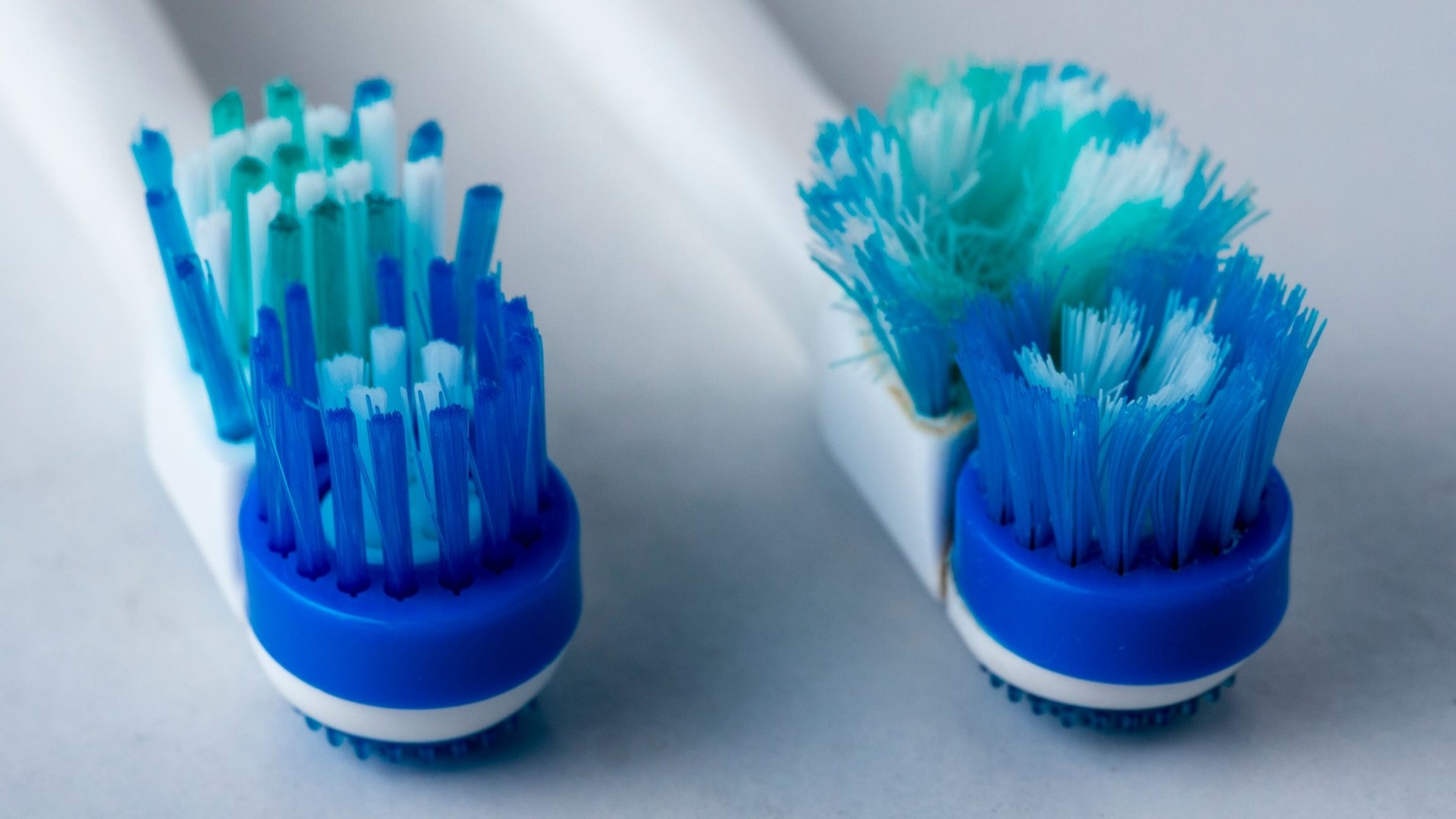
Have you ever looked at your toothbrush and wondered if it’s still doing its job? Many people use the same toothbrush far longer than they should, often without realizing how much this can affect their oral health. Because brushing is such a routine habit, it’s easy to overlook the condition of the brush itself. From an oral care perspective, toothbrush replacement plays a key role in maintaining good hygiene, effective plaque removal, and healthy teeth and gums over time.
Signs Your Toothbrush Is Worn Out
One of the clearest signs that a toothbrush needs replacing is visible bristle wear. When bristles become frayed, bent, or splayed outward, they lose their ability to clean effectively. Discoloration, persistent odors, or a rough feel against the teeth and gums can also indicate that bacteria have built up on the brush.
Another sign is reduced cleaning performance. If your teeth no longer feel smooth after brushing or you notice increased plaque buildup, your toothbrush may simply be past its prime. Using a worn-out brush can also contribute to gum irritation, as damaged bristles may be harsher on soft tissues.
Why Regular Replacement Matters for Hygiene and Effectiveness
Over time, a toothbrush is exposed to moisture, bacteria, and toothpaste residue, creating an environment where microorganisms can thrive. Even with thorough rinsing, bacteria can still remain on the bristles and handle. Regular replacement helps limit this buildup and supports better oral hygiene overall.
Effectiveness is equally important. As bristles wear down, they lose their flexibility and ability to reach along the gumline and between teeth. This reduces plaque removal and increases the risk of cavities and gum disease. Replacing your toothbrush at the right time ensures you are brushing with a tool that can do its job properly.
Why Bristle Wear Matters for Oral Health Outcomes
Bristle wear is not just a cosmetic issue - it directly affects oral health outcomes. Worn bristles are less effective at disrupting plaque biofilm, which can lead to increased plaque accumulation and inflammation of the gums. Over time, this may contribute to gingivitis and more advanced gum problems.
Using a fresh, soft-bristled toothbrush helps maintain consistent brushing results and protects enamel and gums. Dental professionals generally recommend replacing a manual toothbrush every 2-3 months, or sooner if the bristles show signs of wear. This timing helps balance hygiene, comfort and cleaning efficiency.
Conclusion
Replacing your toothbrush regularly is a small habit that can make a meaningful difference in your oral health. Paying attention to bristle wear, hygiene and brushing effectiveness helps ensure your daily routine supports healthy teeth and gums. With simple, timely replacements and proper brushing technique, you can maintain better oral hygiene and achieve more reliable long-term results.
Sources
- American Dental Association: https://www.ada.org
- Mayo Clinic: https://www.mayoclinic.org
- National Institute of Dental and Craniofacial Research: https://www.nidcr.nih.gov