Toothbrushes for Sensitive Teeth and Gums
Do your teeth ever sting when you brush or do your gums feel sore afterward? You are not alone!
Tooth sensitivity and gum discomfort are very common and often they are not caused by serious dental problems, but by everyday brushing habits and the type of toothbrush being used. Choosing the right manual toothbrush and adopting gentler brushing techniques can make a noticeable difference. With the right tools and habits, brushing should feel comfortable, while still being effective.
Toothbrush for Sensitive Teeth and Gums: Features to look for
When sensitivity is an issue, toothbrush design becomes especially important:
- Extra soft bristles are one of the most important features to look for. These bristles flex easily and clean effectively without scraping enamel or irritating the gums. Despite feeling gentler, extra soft bristles are still capable of removing plaque when used with proper technique.
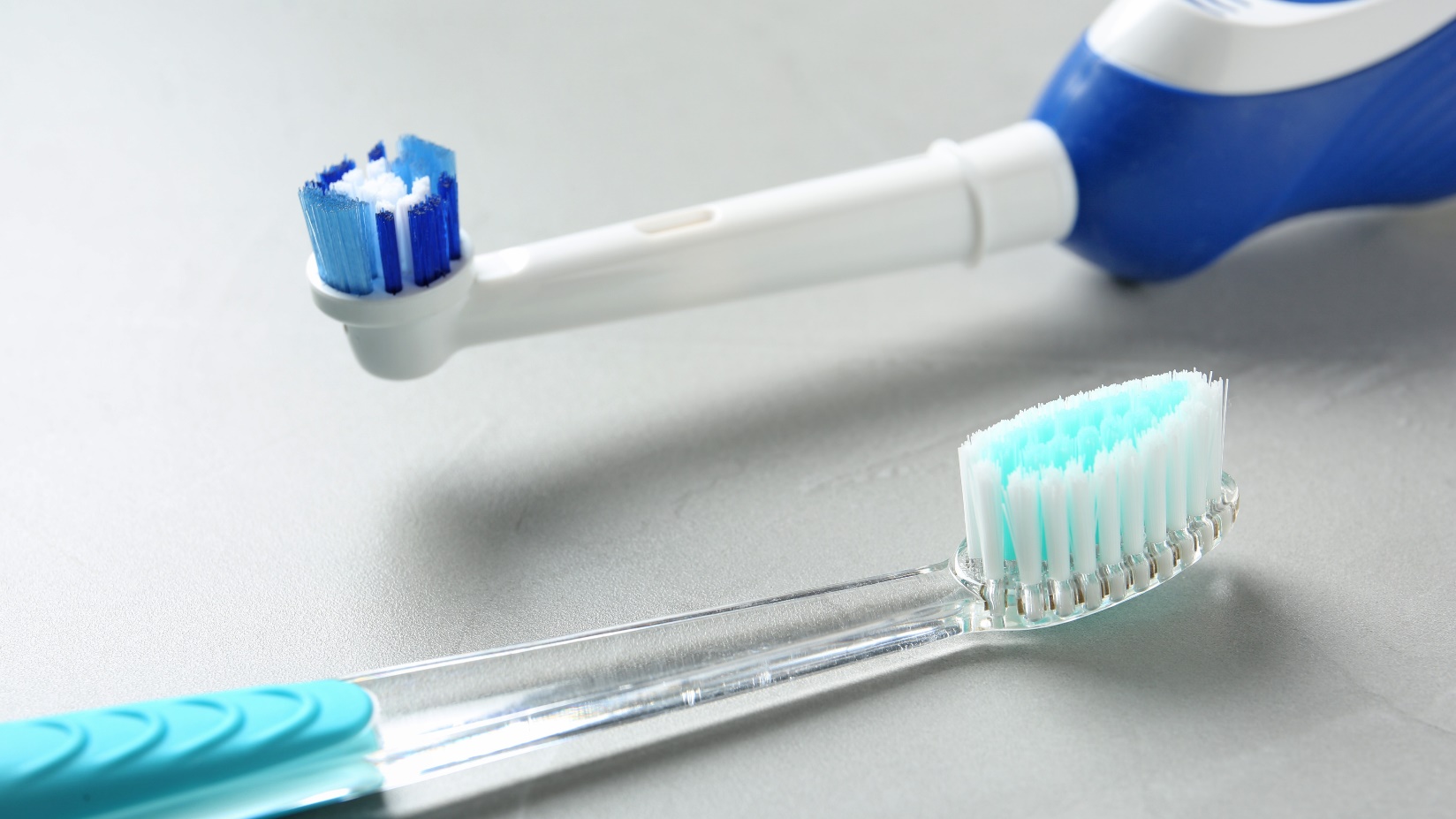
- A smaller toothbrush head is another key feature. It allows for better control and more precise cleaning, especially around the gumline and in hard-to-reach areas. This precision helps prevent accidental overbrushing and reduces pressure on sensitive spots.
- A comfortable, non-slip handle can also support gentler brushing. Better grip and control reduce the tendency to apply excessive force, which is a common contributor to enamel wear and gum recession.
Brushing Habits That Protect Enamel and Reduce Sensitivity
Even the best toothbrush cannot fully protect sensitive teeth without proper brushing habits. One of the most important changes is reducing pressure. Brushing harder does not clean better and can worsen sensitivity by wearing down enamel and exposing sensitive areas of the teeth.
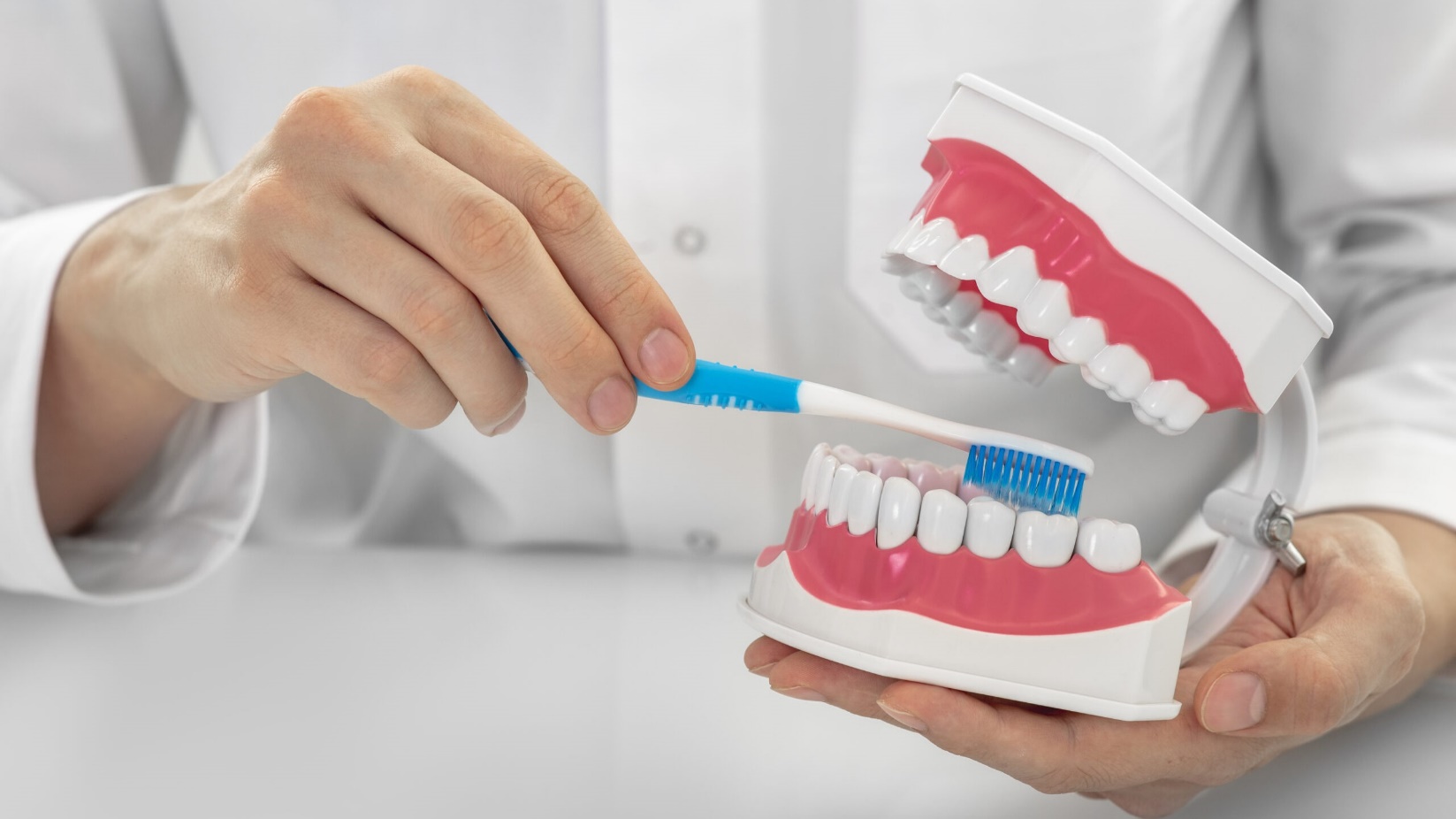
Brushing technique also matters. Gentle circular motions, angled slightly toward the gumline, help clean effectively while minimizing irritation. Avoid aggressive back-and-forth scrubbing, which can damage enamel over time.
Timing plays a role as well. Brushing for 2 minutes twice a day is ideal, but brushing immediately after acidic foods or drinks can increase enamel wear. Waiting at least 30 minutes allows enamel to reharden, reducing sensitivity.
Conclusion
Toothbrushes designed for sensitive teeth and gums can significantly improve comfort and confidence in your daily oral care routine. By choosing extra soft bristles, a smaller head and maintaining gentle brushing habits, you can protect enamel, soothe your gums and still achieve effective plaque removal. These recommendations align with established dental guidance and reflect best practices trusted by oral care professionals. With small, mindful adjustments, brushing can become both comfortable and beneficial for long-term oral health.
Sources
- American Dental Association: https://www.ada.org
- Mayo Clinic: https://www.mayoclinic.org
- National Institute of Dental and Craniofacial Research: https://www.nidcr.nih.gov