Manual Toothbrush Design Explained: Bristles, Head Size and Handle Ergonomics

Have you ever picked up a manual toothbrush and wondered whether its design really makes a difference? At first glance, most toothbrushes seem similar, yet details such as bristle type, head size and handle ergonomics have a direct impact on how effectively you clean your teeth. Many people brush daily with good intentions but still experience plaque buildup or gum sensitivity. Based on established oral care expertise, choosing the right manual toothbrush and using it correctly can greatly improve everyday oral hygiene and long-term dental health.
Understanding Bristles: Why Soft Is The Best
Bristles are the most important functional part of a manual toothbrush. While medium or hard bristles may feel more powerful, they can gradually wear down tooth enamel and irritate the gums. Soft bristles are flexible enough to clean along the gumline and between teeth while remaining gentle on sensitive areas. Leading dental organizations consistently recommend soft-bristled toothbrushes for safe and effective daily use.
Head Size: Reaching Every Tooth Comfortably
The size of the toothbrush head affects how easily you can access hard-to-reach areas, especially the back molars. Oversized heads may appear efficient, but they often reduce precision and control. A smaller or medium-sized head allows you to focus on one or two teeth at a time, improving overall cleaning effectiveness and comfort.
Handle Ergonomics: Control and Comfort
Handle design plays an important role in brushing technique. A well-designed handle provides a secure grip and supports controlled, gentle movements. Slippery or poorly balanced handles can encourage excessive pressure, increasing the risk of gum irritation. A comfortable, ergonomic handle helps maintain proper technique throughout the brushing routine.
Step-by-Step Guide to Proper Manual Toothbrushing
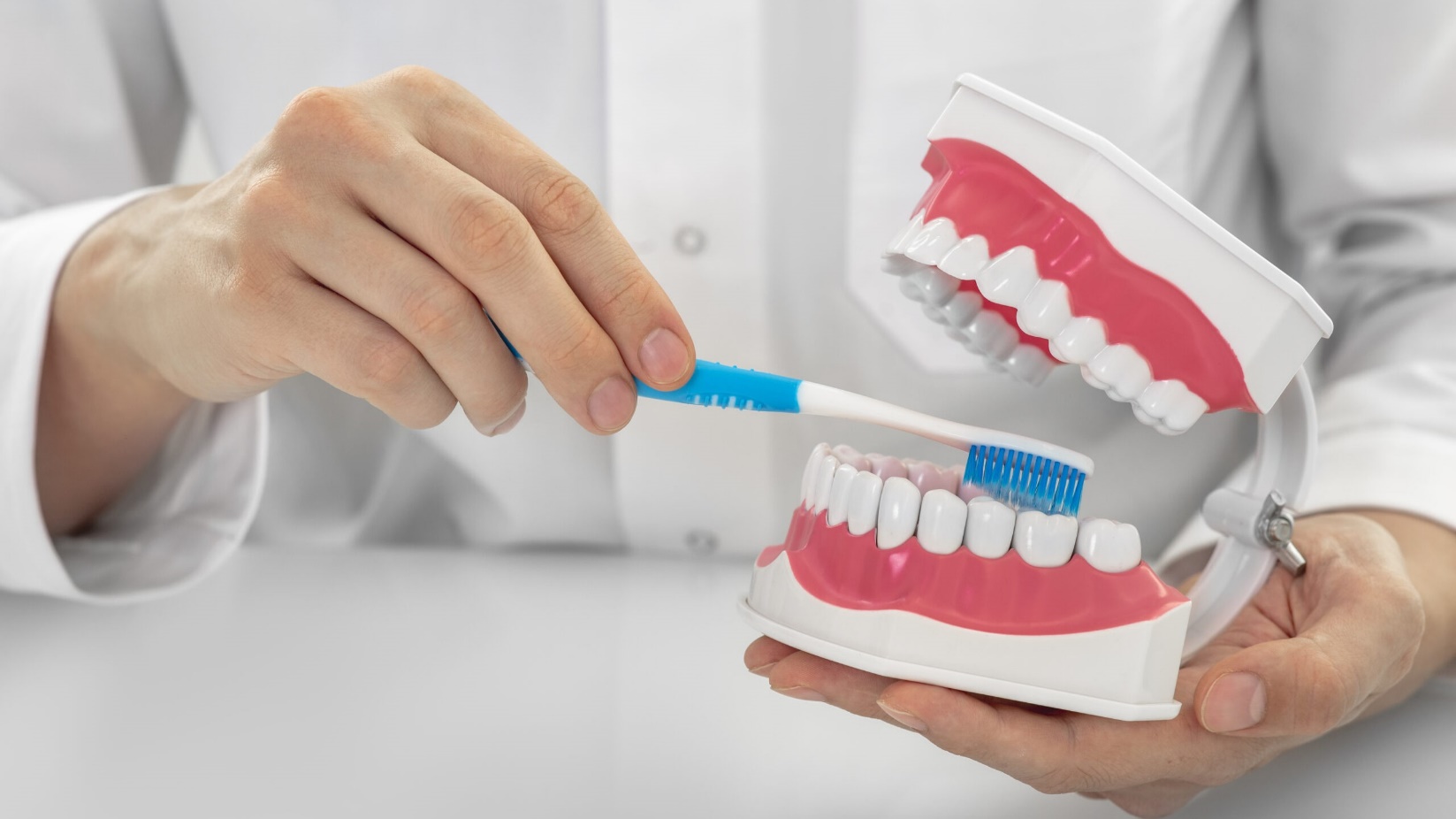
Start by holding your manual toothbrush at a 45-degree angle toward the gumline. This position helps remove plaque where it commonly accumulates. Use gentle circular or small sweeping motions rather than aggressive back-and-forth scrubbing. Brush for at least 2 minutes, twice per day, ensuring equal attention to all areas of the mouth.
Common Technique Mistakes and How to Fix Them
There are a few things which we often get wrong and lead to a reduction of the brushing effectiveness:
- Brushing too hard, which can damage enamel and irritate the gums. Reducing pressure and allowing the bristles to do the work helps protect oral tissues.
- Skipping the gumline, where plaque often builds up. Slowing down and maintaining the correct brushing angle improves cleaning in this area.
- Brushing for too short a time; using a timer can help ensure the full 2 minutes are completed.
Conclusion
Manual toothbrush design plays a meaningful role in everyday oral hygiene. When the right bristles, head size and handle are combined with proper brushing technique, a manual toothbrush becomes a highly effective tool for maintaining healthy teeth and gums. Small, thoughtful adjustments to your brushing routine can lead to noticeable improvements in oral health over time.
Sources
- American Dental Association: https://www.ada.org
- Mayo Clinic: https://www.mayoclinic.org
- National Institute of Dental and Craniofacial Research: https://www.nidcr.nih.gov