Common Flossing Mistakes That Might Be Damaging Your Gums

Do your gums ever feel sore after flossing or bleed so much that you wonder if flossing is doing more harm than good? You are not alone. Many people floss regularly yet unknowingly use a technique that irritates the gums instead of protecting them. Over time, these small mistakes can contribute to inflammation, gum recession and even avoidance of flossing altogether. With a few simple adjustments, flossing can become both gentle and highly effective.
Common Technique Errors to Avoid
There are a few frequent mistakes which simply makes your life tougher:
- Snapping the floss down between teeth. This sudden force can bruise the delicate gum tissue and cause immediate bleeding.
- Skipping teeth, especially hard-to-reach molars, which allows plaque to accumulate undisturbed.
- Flossing too aggressively is also a concern. More pressure does not mean better cleaning; in fact, it increases the risk of gum trauma and discomfort without improving plaque removal.
The Safe Way to Clean Below the Gumline
By following those steps, you can start feeling more comfortable about your technique. Keep in mind that effective flossing relies on control, not force:
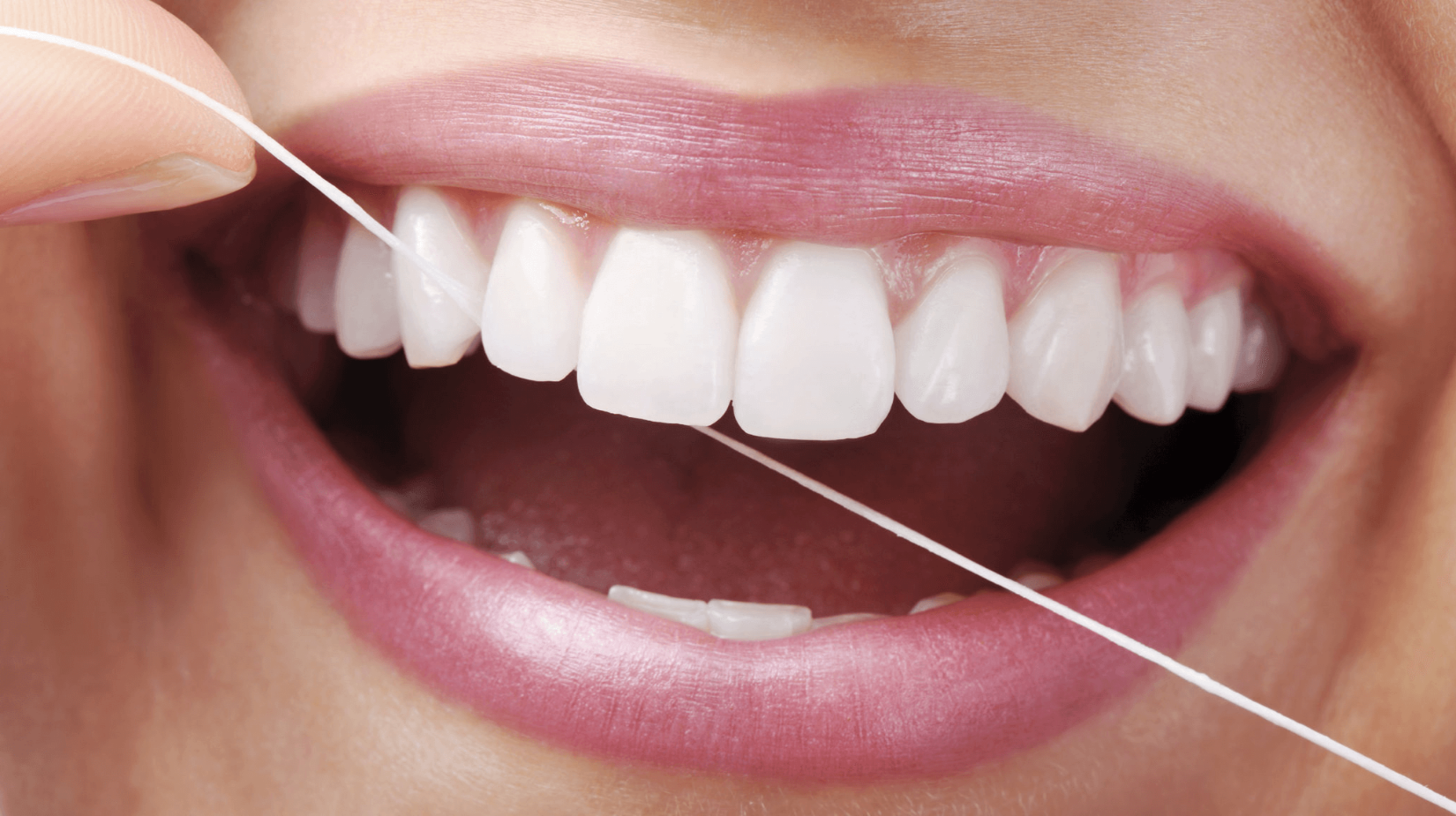
- Gently guide the floss between teeth using a slow back-and-forth motion.
- Once it reaches the gum margin, curve the floss into a C-shape around one tooth and slide it slightly below the gumline - just until you feel resistance, never pain.
- Gently move it up and down to clean the tooth surface before repeating on the adjacent tooth.
This technique is consistently recommended by dental professionals and health authorities.
Signs You May Be Flossing Incorrectly
Occasional mild bleeding can be normal if gums are inflamed, especially when starting a new routine. However, persistent soreness, sharp pain, visible cuts or worsening bleeding are signs that your technique needs adjustment. Healthy flossing should feel thorough but comfortable and bleeding should reduce as gum health improves.
It is tempting to use one long section of floss for the whole mouth, but this simply redistributes bacteria from one area to another. Dental guidelines recommend using a clean section of floss for each interdental space. Wrapping the floss around your fingers and advancing it as you go helps maintain hygiene and effectiveness.
Tips on Pressure and Sequence
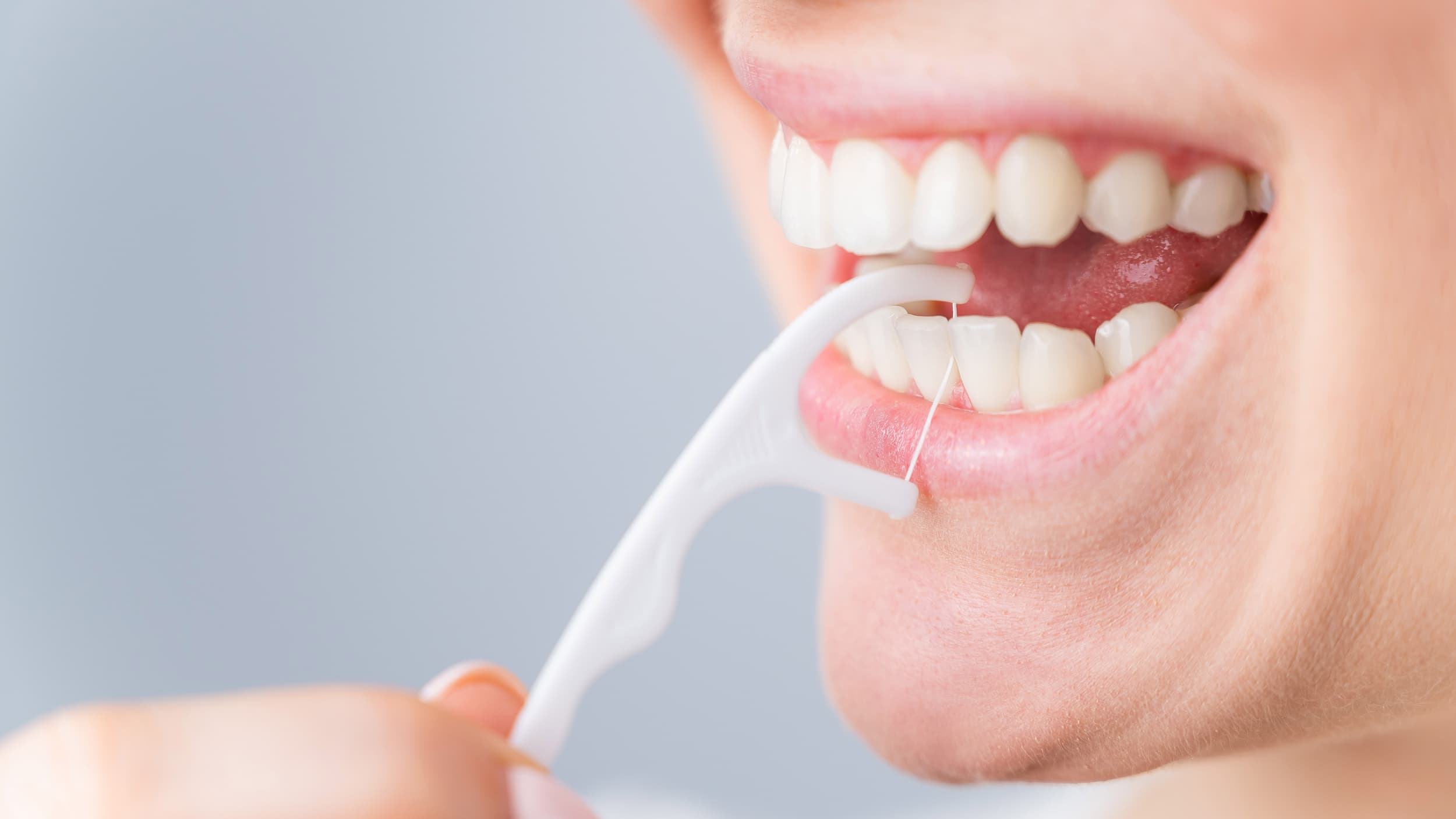
Dental hygienists often advise starting flossing at the same point each day and following a consistent sequence to avoid missed areas. Apply light, controlled pressure, letting the floss adapt to the tooth's shape rather than forcing it. If manual floss feels difficult to control, floss holders or interdental brushes may be recommended depending on your spacing and dexterity.
Integrating Flossing into a Complete Oral Care Routine
Flossing works best as part of a broader oral hygiene routine: floss once daily, ideally before brushing, to loosen plaque so fluoride toothpaste can reach more surfaces. Combine this with twice-daily brushing using proper technique and regular dental check-ups. Small, consistent habits - done correctly - have a powerful cumulative effect on gum health.
Conclusion
Flossing should not hurt and it certainly should not damage your gums. By avoiding common mistakes, using gentle technique and following evidence-based guidance, you can turn flossing into a protective daily habit rather than a painful chore. With mindful technique and consistency, your gums can become healthier, stronger and far more comfortable over time.
Sources
- NHS – How to keep your teeth clean: https://www.nhs.uk/live-well/healthy-teeth-and-gums/how-to-keep-your-teeth-clean/
- NHS – Delivering Better Oral Health: An Evidence-Based Toolkit for Prevention: https://www.gov.uk/government/publications/delivering-better-oral-health-an-evidence-based-toolkit-for-prevention
- European Federation of Periodontology – Oral hygiene and gum health: https://www.efp.org
- Cochrane Oral Health Group – Home use of devices for cleaning between the teeth (in addition to toothbrushing) to prevent and control gum diseases and tooth decay: https://www.cochrane.org/CD012018
- American Dental Association – Flossing: https://www.mouthhealthy.org/all-topics-a-z/flossing
- Journal of Clinical Periodontology: https://onlinelibrary.wiley.com/journal/1600051x