The Science of Flossing: How Dental Tape and Flossers Prevent Gum Disease
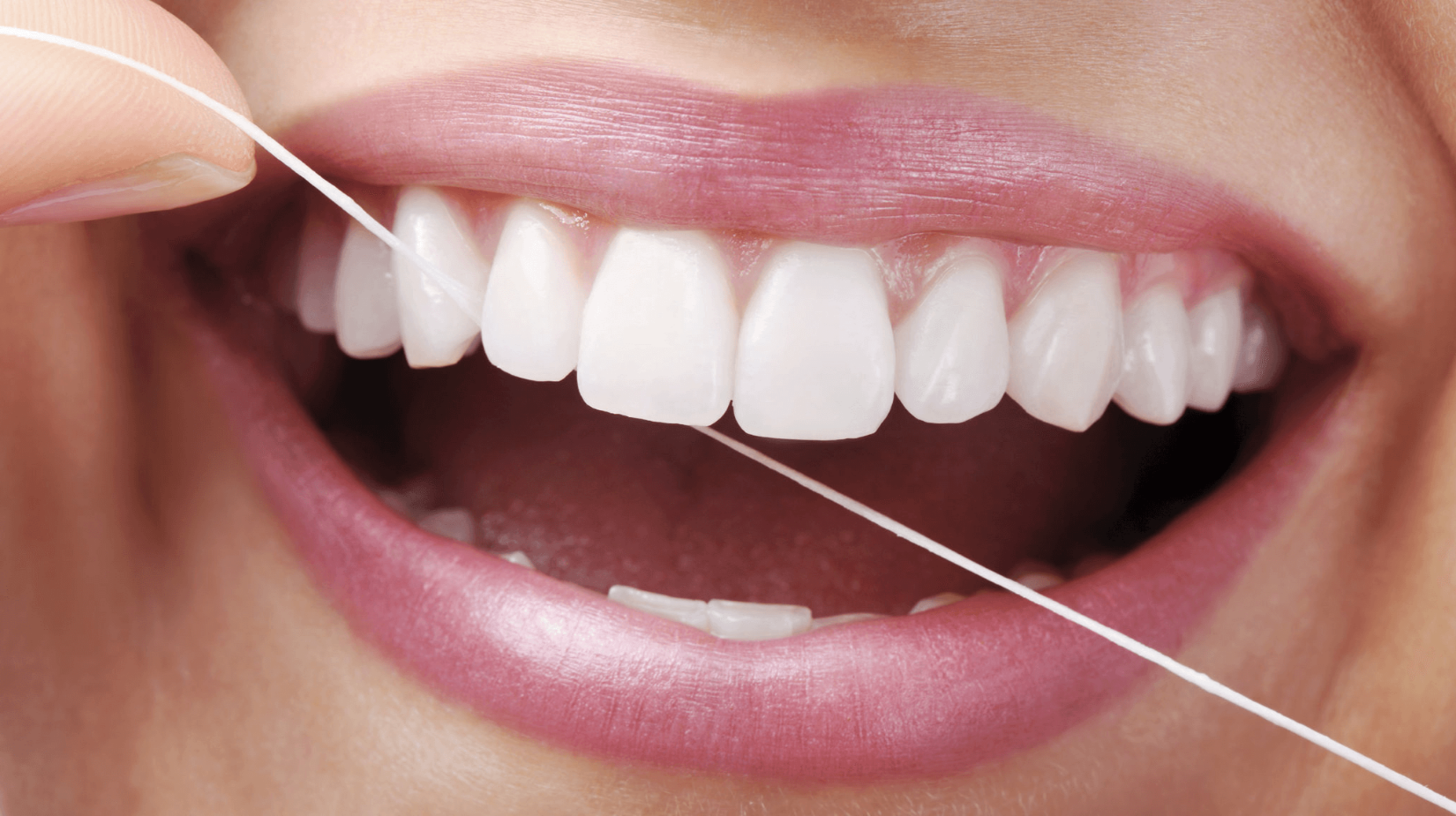
Have you ever wondered why your dentist insists on flossing even when you brush twice a day? Many people do everything "right" with their toothbrush yet still experience bleeding gums or early signs of gum disease. The reason is simple: plaque does not just sit on visible tooth surfaces. It thrives between teeth and just below the gumline, where brushes cannot reach. Understanding the science behind flossing helps turn a daily chore into a powerful preventive tool.
From Plaque to Gum Disease: What's Really Happening
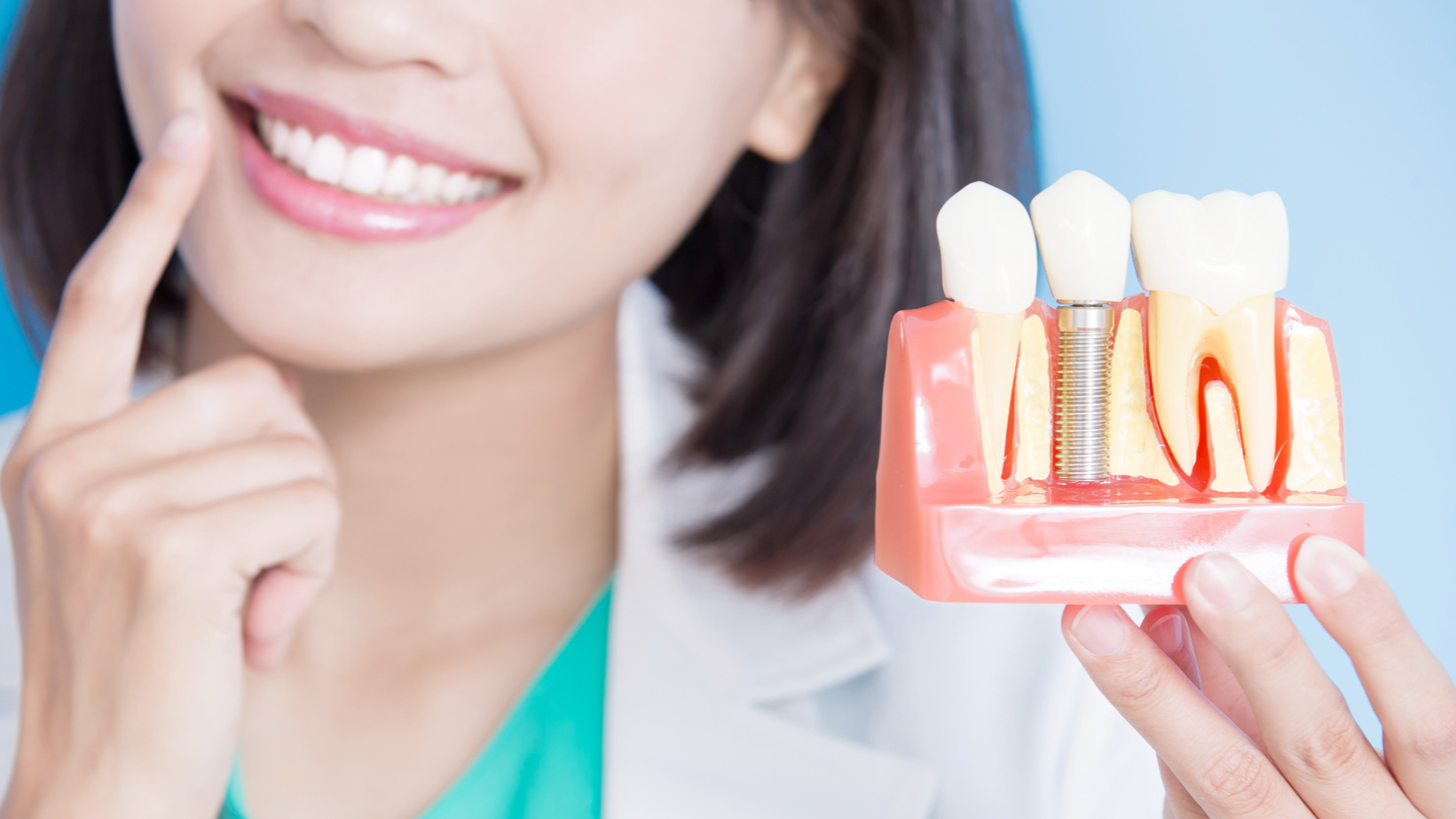
Dental plaque is a sticky biofilm of bacteria that forms continuously on teeth. When plaque accumulates along the gum margin, it triggers inflammation known as gingivitis - often noticed as redness, swelling or bleeding during brushing. If plaque is not regularly disrupted, it can harden into calculus and allow harmful bacteria to migrate deeper under the gums, potentially leading to periodontitis, where bone and connective tissue are gradually destroyed. This progression is well documented in periodontal research and is largely preventable with effective daily plaque control.
Why Interdental Cleaning Matters
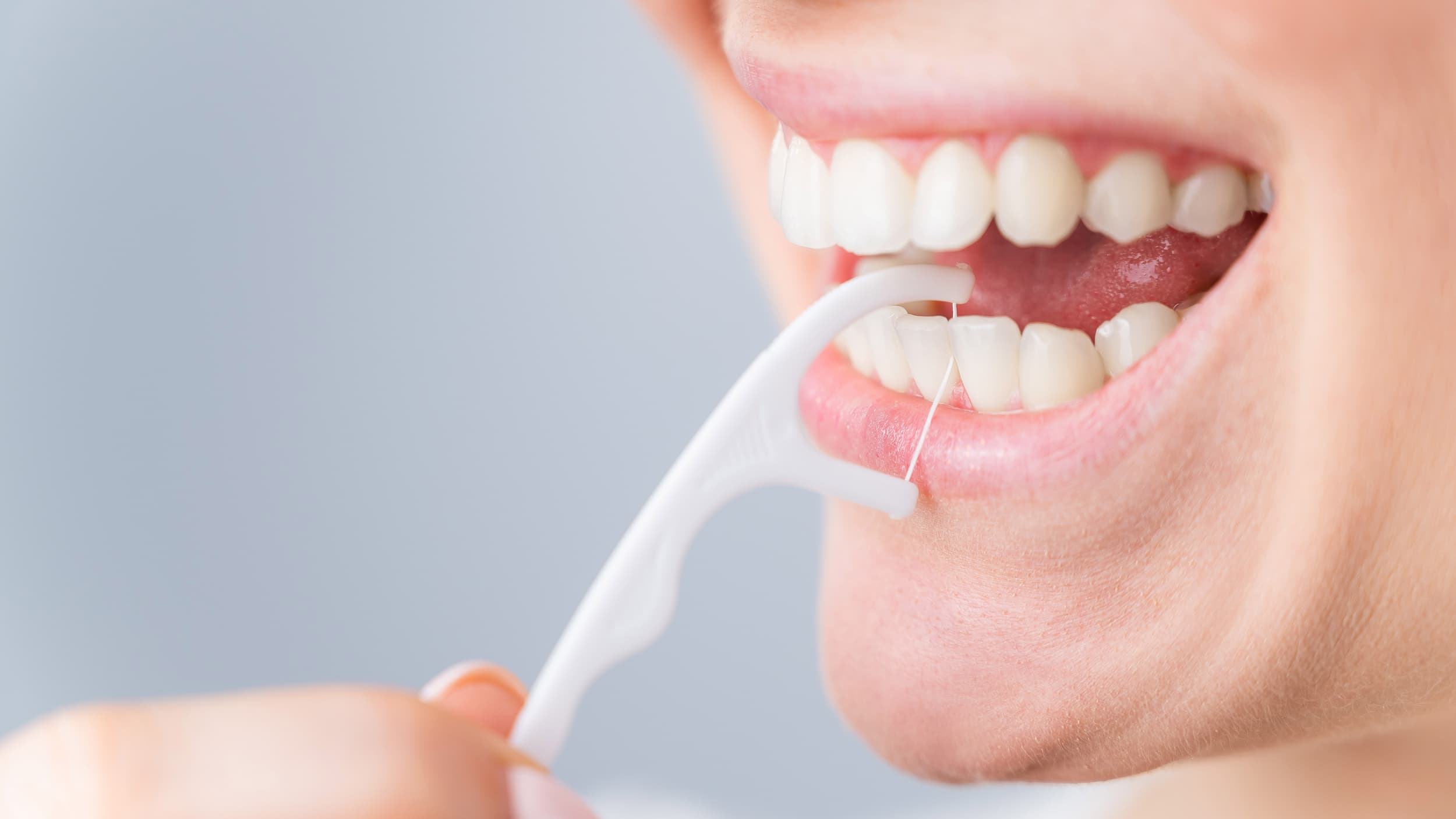
Toothbrushing alone cleans only about 60% of the tooth surface. Interdental areas are ideal environments for bacteria because they are moist, protected and difficult to access. Flossers and Dental Tapes, mechanically disrupt bacterial colonies, limiting their ability to mature and cause inflammation. Guidelines consistently show that interdental cleaning, when combined with brushing, significantly reduces gingivitis compared with brushing alone.
What Science Says About Daily Flossing
Long-term studies and systematic reviews demonstrate that people who maintain regular interdental cleaning habits experience less gum inflammation and slower progression of periodontal disease. While results vary depending on technique and tool choice, the overall message is clear: consistency and correct use matter more than the specific product. Even modest improvements in daily plaque removal can lead to measurable reductions in bleeding and gum tenderness within weeks.
Flossers vs Dental Tapes vs Interdental Brushes: Key Differences
- Flossers: Thin and effective for tight contacts when used with a gentle C-shaped technique.
- Dental Tape: Wider and flatter, often more comfortable for people with wider gaps, crowns or sensitive gums.
- Interdental Brushes: Particularly effective for larger spaces and periodontal patients; many studies show they remove more plaque where they fit properly.
Myths That Deserve to Go
A common worry is that flossing causes gum recession or bleeding. In reality, plaque-induced inflammation is what causes bleeding. When flossing is done gently and correctly, bleeding usually decreases as gums heal. Gum recession is linked to aggressive technique or existing periodontal disease - not to flossing itself.
Conclusion
Healthy gums are built on small, daily actions. By understanding how plaque leads to disease and how interdental cleaning interrupts that process, you can make informed choices that protect your smile long-term. Whether you prefer floss, dental tape or interdental brushes, the key is proper technique and consistency. With a few mindful changes, you can take real control of your gum health!
Sources
- NHS - How to keep your teeth clean: https://www.nhs.uk/live-well/healthy-teeth-and-gums/how-to-keep-your-teeth-clean/
- NHS - Delivering Better Oral Health: Evidence-Based Toolkit: https://www.gov.uk/government/publications/delivering-better-oral-health-an-evidence-based-toolkit-for-prevention
- Cochrane Oral Health Group – Home use of devices for cleaning between the teeth (in addition to toothbrushing) to prevent and control gum diseases and tooth decay: https://www.cochrane.org/CD012018
- European Federation of Periodontology: https://www.efp.org
- American Dental Association: https://www.mouthhealthy.org/all-topics-a-z/flossing
- Journal of Clinical Periodontology: https://onlinelibrary.wiley.com/journal/1600051x