How to Choose the Right Dental Tape or Flosser for Your Teeth Type

Have you ever picked up dental floss at the supermarket and wondered if it really matters which one you choose? Waxed, unwaxed, tape, minty, thick, thin…? So many options!
It is easy to assume they all do the same job. In practice, however, using the wrong type for your teeth or gums can make flossing uncomfortable or ineffective, which is why many people quietly give up. Choosing a floss that suits your tooth spacing and gum sensitivity can transform flossing from a chore into a habit that genuinely protects long-term gum health.
Which Are the Main Types?
There are a few key categories which differentiate each floss:
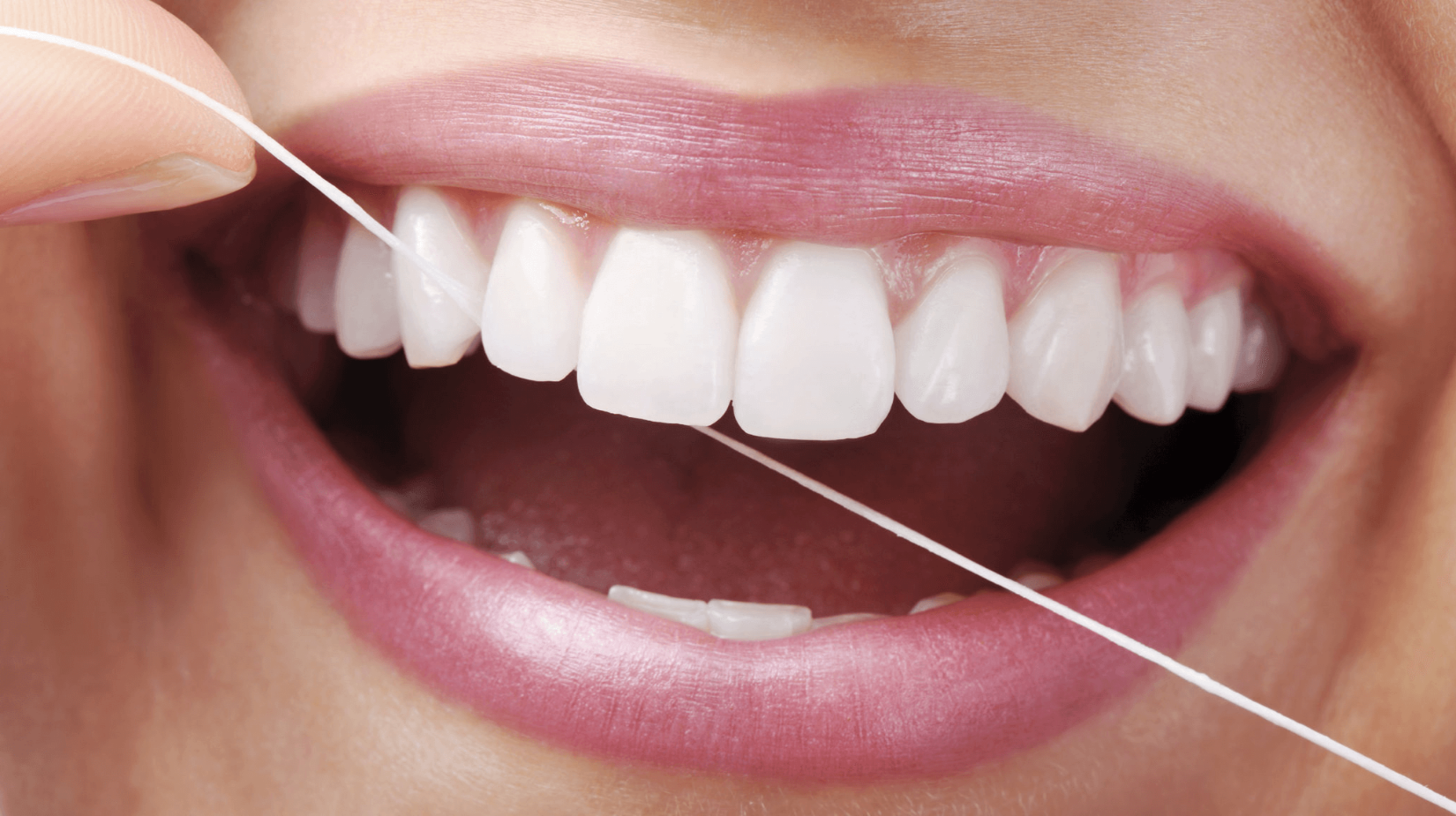
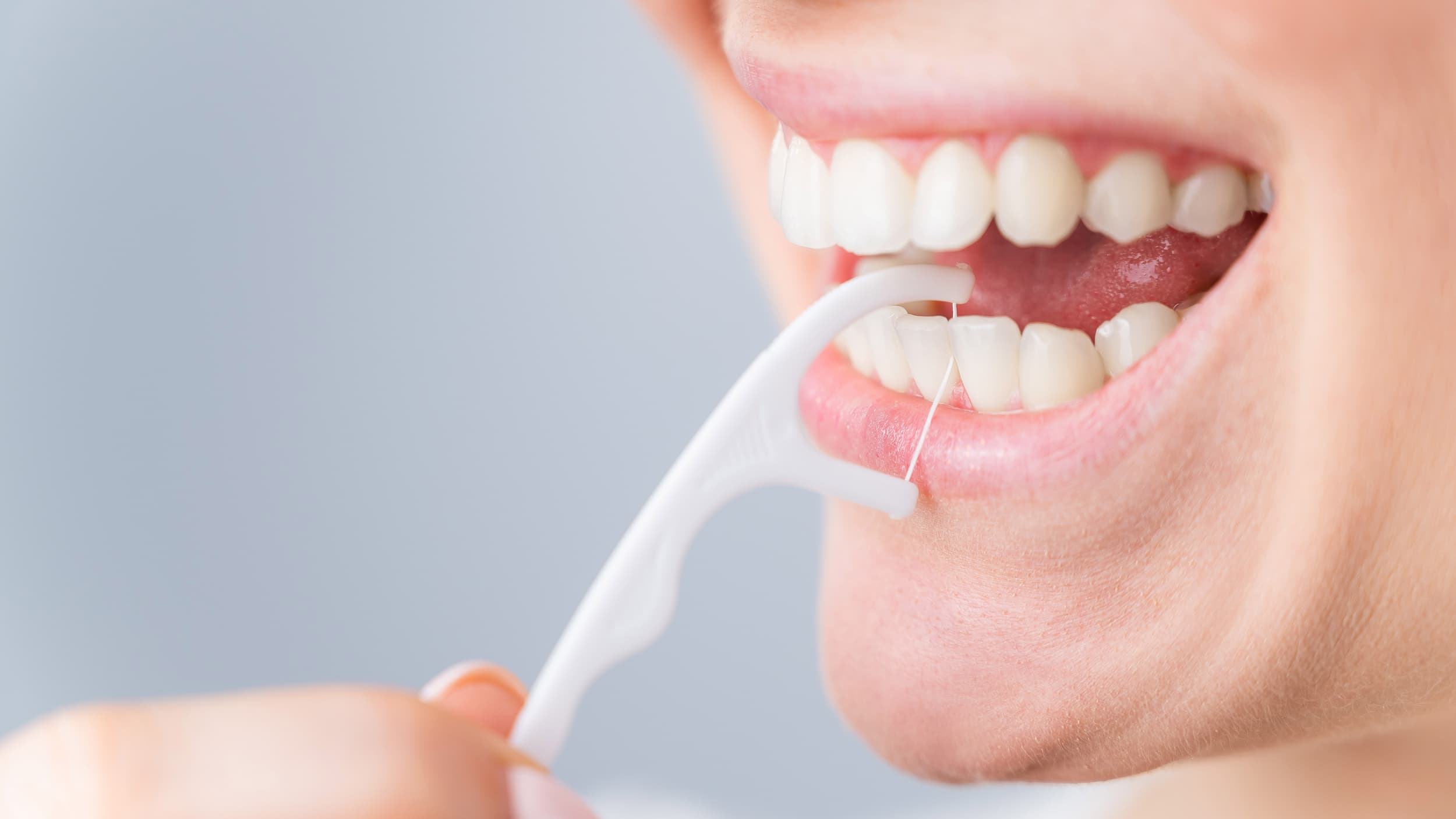
- Flat vs Round: Dental floss generally comes in either flat or round. Flat floss is broader and flatter, offering a larger contact surface against the tooth, which many people find gentler and easier to control. Round floss is thinner and works well for very tight contacts where wider tape may struggle to pass through.
- Waxed vs Unwaxed: Waxed floss glides more smoothly between tight teeth and is less likely to shred, making it a practical choice for beginners or crowded dentitions. Unwaxed floss can feel slightly "squeakier" and may provide more tactile feedback, which some experienced flossers prefer.
- Flavoured vs Unflavoured: Flavoured floss does not clean better, but pleasant flavours can encourage regular use - an important factor, as consistency matters more than flavour choice.
Tooth Spacing and Gum Sensitivity
No single floss suits everyone. People with tightly spaced teeth often benefit from thin, waxed floss that slides in without force. Those with wider gaps, crowns, bridges or implants may prefer dental tape, which spreads pressure more evenly and reduces the risk of snapping into the gums.
If your gums are sensitive or prone to bleeding, a softer, flatter tape combined with gentle technique can help reduce discomfort while inflammation settles. For complex dental work, hygienists may also recommend specialist floss or alternative interdental cleaners to ensure plaque removal without damaging restorations.
What Dental Professionals Recommend
UK and European dental guidelines consistently emphasize that interdental cleaning should be tailored to the individual. Dental hygienists and dentists assess the size of interdental spaces, gum health and restorations before recommending floss, tape, or interdental brushes.
Common Misconception: "All Floss Works the Same"
While all floss aims to remove plaque between teeth, effectiveness depends on fit, technique and consistency. A floss that is too thick will not reach the gumline properly; one that is too thin may not adequately clean wider spaces. Reviews show that interdental cleaning, when matched correctly to the space and used daily, significantly reduces gingivitis compared with brushing alone.
Conclusion
Choosing the right dental floss or tape is not about buying the most expensive option – it is about understanding your own mouth. Small adjustments, like switching from round floss to tape or choosing waxed floss for tighter contacts, can make daily cleaning easier and more effective. If you are unsure, ask your dentist - personalized advice is one of the simplest ways to protect your gums for the long term.
Sources
- NHS – How to keep your teeth clean: https://www.nhs.uk/live-well/healthy-teeth-and-gums/how-to-keep-your-teeth-clean/
- NHS England – Delivering Better Oral Health: An Evidence-Based Toolkit for Prevention: https://www.gov.uk/government/publications/delivering-better-oral-health-an-evidence-based-toolkit-for-prevention
- Cochrane Oral Health Group - Home use of devices for cleaning between the teeth (in addition to toothbrushing) to prevent and control gum diseases and tooth decay: https://www.cochrane.org/CD012018
- European Federation of Periodontology – Prevention of periodontal diseases: https://www.efp.org
- American Dental Association (ADA) – Flossing: https://www.mouthhealthy.org/all-topics-a-z/flossing
- Journal of Clinical Periodontology: https://onlinelibrary.wiley.com/journal/1600051x