Dental Tape vs Flossers: Which One Is Better for You?
Ever found yourself staring at a spool of floss and wondering whether tape, waxed string or one of those handy flossers is actually better? Small daily choices - the wrong floss, an angry tug, or skipping those tight contacts - add up over months and shape your gum health. Technique makes indeed a big difference: the right tool used well, reduces plaque and bleeding, while the wrong tool used poorly can cause frustration (and sore gums).
Dental Tape vs Flossers
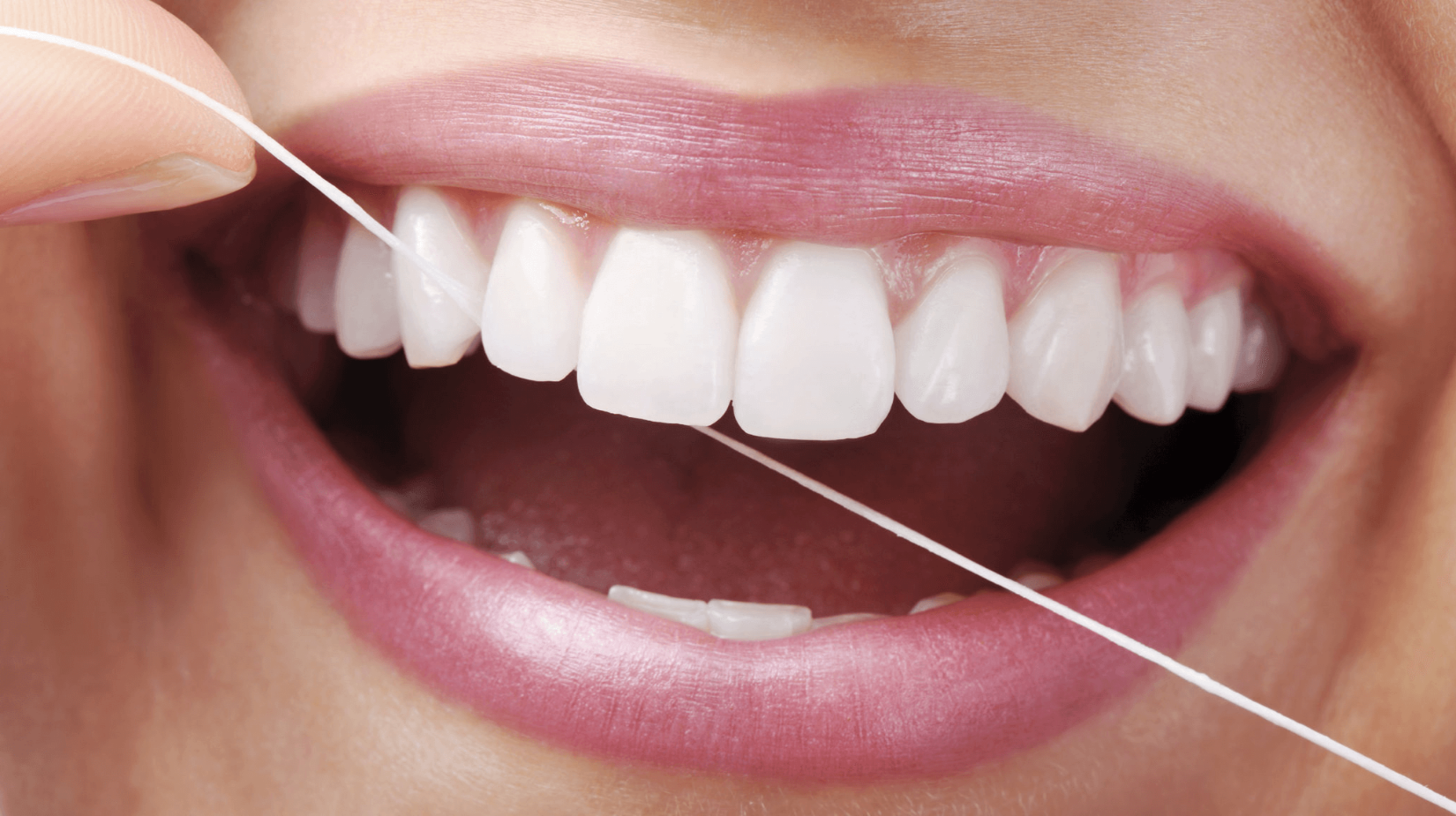
Dental Tape is designed to be wrapped and curved into a "C" shape around each tooth to physically wipe plaque from the tooth surface and just under the gumline.
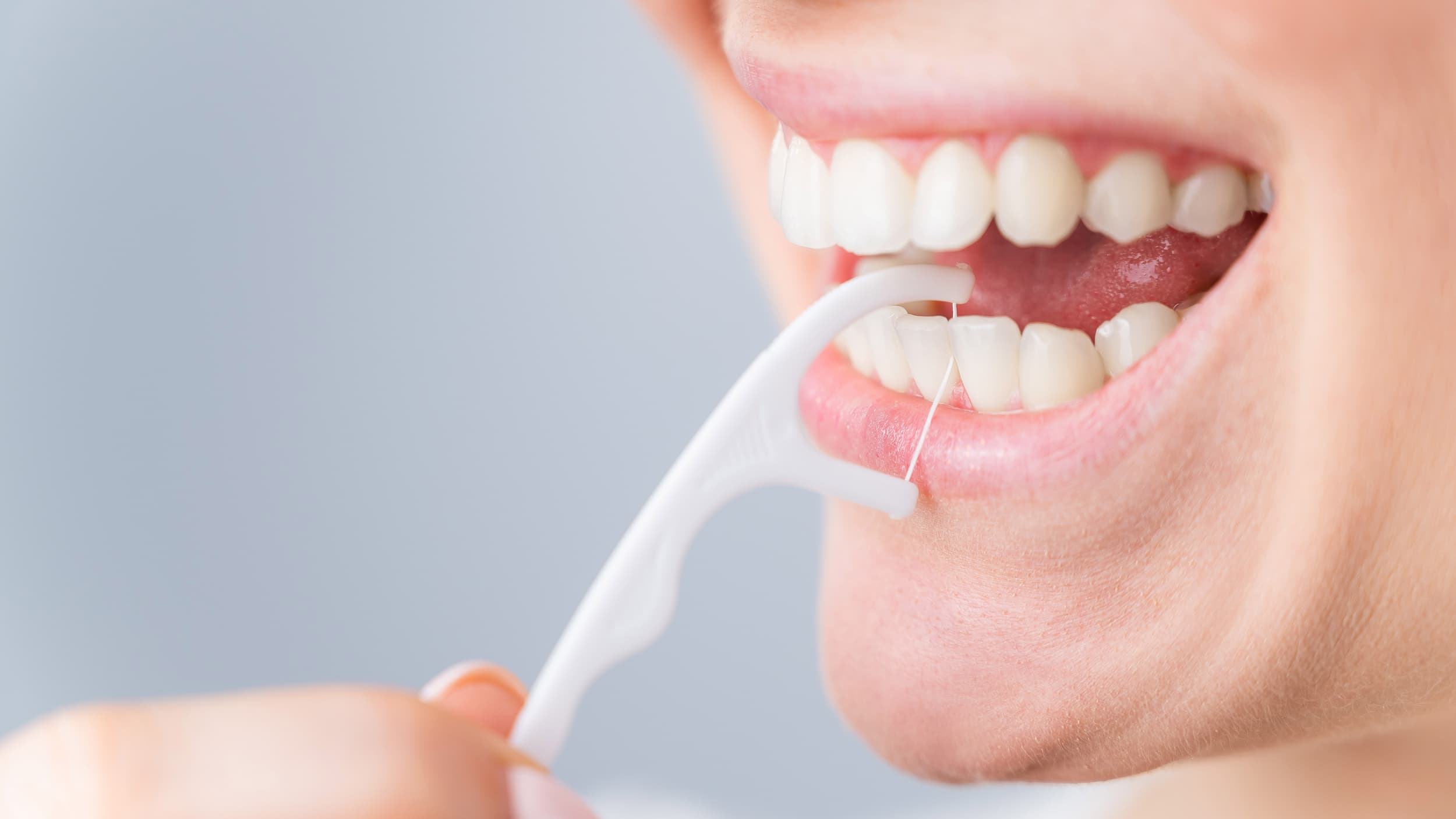
Flossers hold a short length of floss between a small plastic handle so you can reach interdental spaces without finger-wrapping. They trade a bit of control for convenience.
"Both remove plaque when used correctly; the difference is often ergonomics and ease of access"
Structural Differences
- Dental Tape: Broader and flatter - gentler on sensitive gums and useful for wider contacts or restorative work.
- Flossers: Use similar floss materials but fixed on a handle; some use a stronger filament or textured ribbon. Material choices (PTFE, nylon, wax coatings) affect glide and shredding.
Should I Use Dental Tape or Flosser?
Dental tape's flatter surface spreads pressure and can feel gentler on inflamed gums. It is often recommended for people with wider gaps, crowns/bridges or sensitive gingiva where a wider contact surface reduces bite-through and trauma. Tape is less suitable for extremely tight contacts where a thinner string will slide more easily.
If you are short on time, have limited dexterity, wear braces or need a portable solution, flossers are extremely practical. They make interdental cleaning doable for people who otherwise avoid flossing. The trade-off: some single-piece flossers give less surface contact and require careful technique to reach the gumline.
Research comparing flossers and dental tape show mixed results - some flossers perform as well or better in plaque reduction, particularly when users have not mastered manual floss technique.
Common Misconceptions
There are a few common myths around flossing:
- "My gums bleed - so flossing is painful": Bleeding usually means inflammation; gentle, regular interdental cleaning often reduces bleeding over days to weeks.
- "They clean the same way": The mechanical action matters - a wider floss does not automatically clean "better"; proper C-shaped contact and gentle scraping under the gumline do. Professional guidance helps pick the best profile for your contacts.
Conclusion
You need the right tool for your mouth and the habit of using it correctly. If your contacts are tight, try to pick a thin, waxed floss. If you have wider gaps, restorations or sensitive gums, dental tape may feel kinder. Choose what you will use daily, master the gentle C-shape technique and check with your dentist for personalized advice.
Sources
- NHS - How to keep your teeth clean: https://www.nhs.uk/live-well/healthy-teeth-and-gums/how-to-keep-your-teeth-clean
- NHS - Oral Hygiene: https://www.gov.uk/government/publications/delivering-better-oral-health-an-evidence-based-toolkit-for-prevention/chapter-8-oral-hygiene
- Cochrane Review - Home use of interdental cleaning devices, in addition to toothbrushing: https://www.cochrane.org/evidence/CD012018/home-use-devices-cleaning-between-teeth-addition-toothbrushing-prevent-and-control-gum-diseases-and
- Journal of Global Oral Health: https://jglobaloralhealth.org/comparison-between-the-effectiveness-of-dental-tape-flosser-and-superfloss-in-controlling-interproximal-biofilm-a-randomized-and-clinical-study
- American Dental Association: https://www.ada.org/resources/ada-library/oral-health-topics/floss