Common Mistakes People Make with Interdental Brushes (And How to Avoid Them)
Have you ever used an interdental brush and wondered if you were doing more harm than good? Many people add interdental brushes to their routine with good intentions, yet unknowingly make small mistakes that reduce effectiveness or irritate the gums. Proper dental hygiene is about consistency and correct technique, not force. When small errors are repeated daily, they can quietly undermine gum health over time. Correcting a few simple habits can dramatically improve comfort, confidence and long-term oral health outcomes.
Mistake 1: Pushing Too Hard Between Teeth
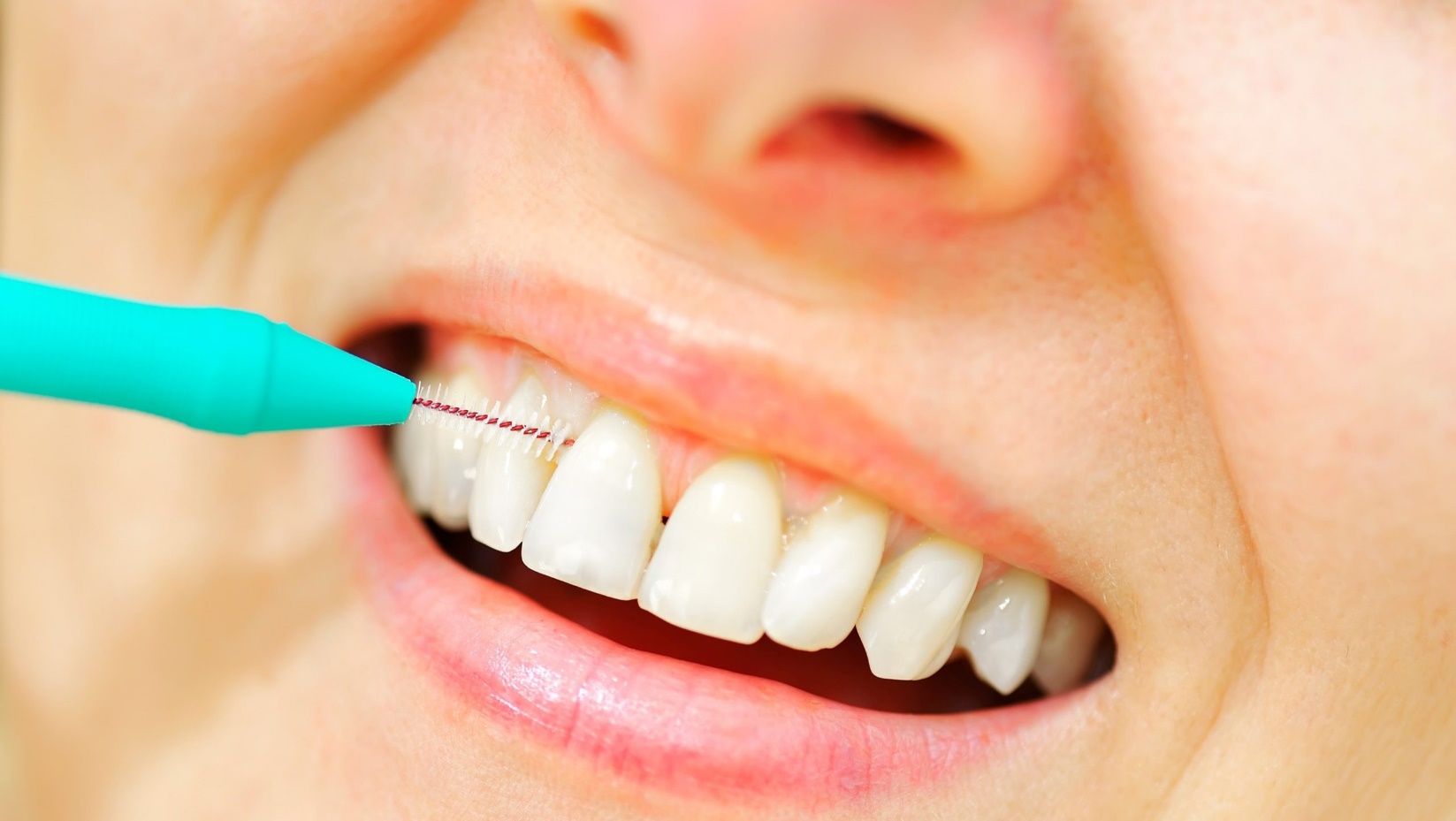
One of the most common mistakes is applying too much pressure. Interdental brushes are designed to work gently. Forcing the brush can damage delicate gum tissue, cause pain and discourage regular use.
Healthy interdental cleaning should feel controlled, not aggressive. Trauma to the gums can contribute to recession over time. The correct approach is to guide the brush slowly between teeth with light pressure, allowing the bristles to do the work.
Mistake 2: Using the Wrong Angle
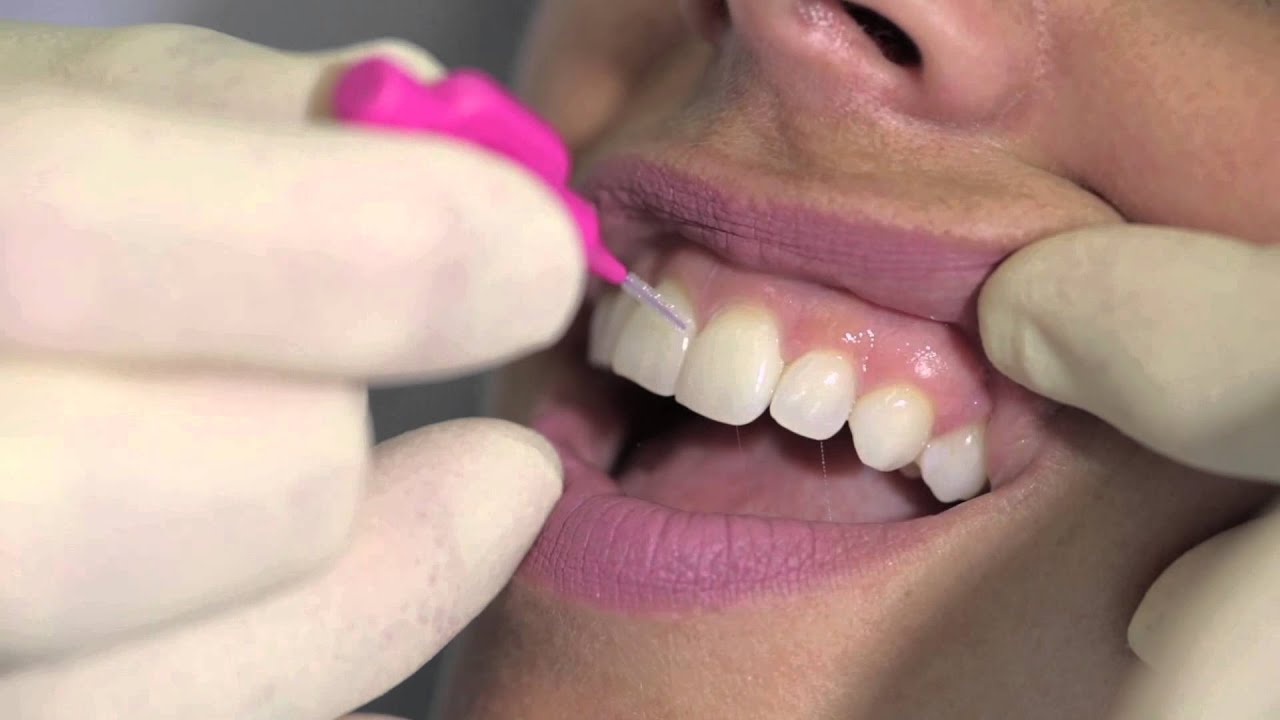
Many people insert interdental brushes straight in without adjusting for tooth alignment. Teeth are rarely perfectly straight, especially toward the back of the mouth. Using the wrong angle can reduce plaque removal and increase discomfort.
Dental professionals recommend following the natural line of the gum and tooth. Slight angulation, particularly for molars, helps the brush reach plaque more effectively without stressing the gums.
Mistake 3: Reusing Worn or Bent Brushes
Interdental brushes do not last indefinitely. Reusing worn, bent or frayed brushes is a common but overlooked mistake. Once bristles lose their shape, plaque removal becomes less effective and sharp wire edges may irritate the gums.
Most manufacturers and dental guidelines recommend replacing interdental brushes every one to two weeks, or sooner if the brush becomes distorted. Regular replacement ensures both safety and cleaning efficiency.
Mistake 4: Choosing the Wrong Size
Using a brush that is too small or too large can significantly reduce benefits. A brush that is too small may pass through without removing plaque, while one that is too large can cause pain and gum injury. The correct size should slide between teeth with slight resistance but no force. Many people require more than one size for different areas of the mouth, which is entirely normal.
Mistake 5: Skipping Certain Areas
It is common to focus only on the front teeth and skip the back molars, where plaque accumulates most easily. These areas are harder to reach but are at higher risk for gum disease.
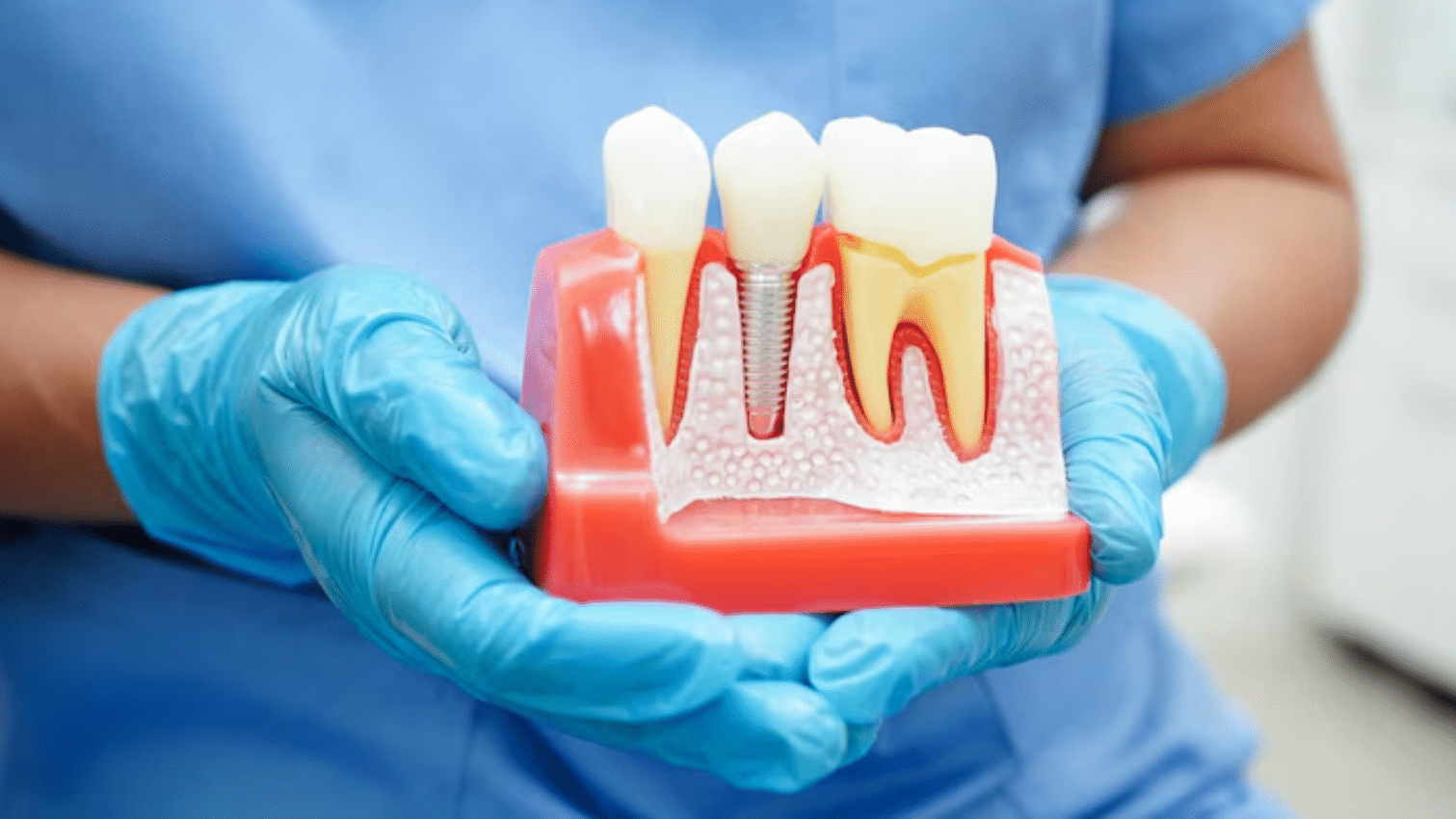
A complete interdental routine includes every space where teeth touch, especially around molars, crowns, bridges and orthodontic appliances. Missing these areas reduces the overall effectiveness of interdental cleaning.
Conclusion
Interdental brushes are one of the most effective tools for protecting gum health, but only when used correctly. Small adjustments in pressure, angle, size and consistency can make a significant difference over time. By avoiding common mistakes and adopting a gentle, thorough approach, you can improve comfort, reduce bleeding and support healthier gums. Better oral health is built through small daily habits and each correct use brings you one step closer to lasting results.
Sources
- NHS – Gum Disease: https://www.nhs.uk/conditions/gum-disease/
- British Society of Dental Hygiene and Therapy: https://www.bsdht.org.uk/
- European Federation of Periodontology: https://www.efp.org
- American Dental Association: https://www.ada.org