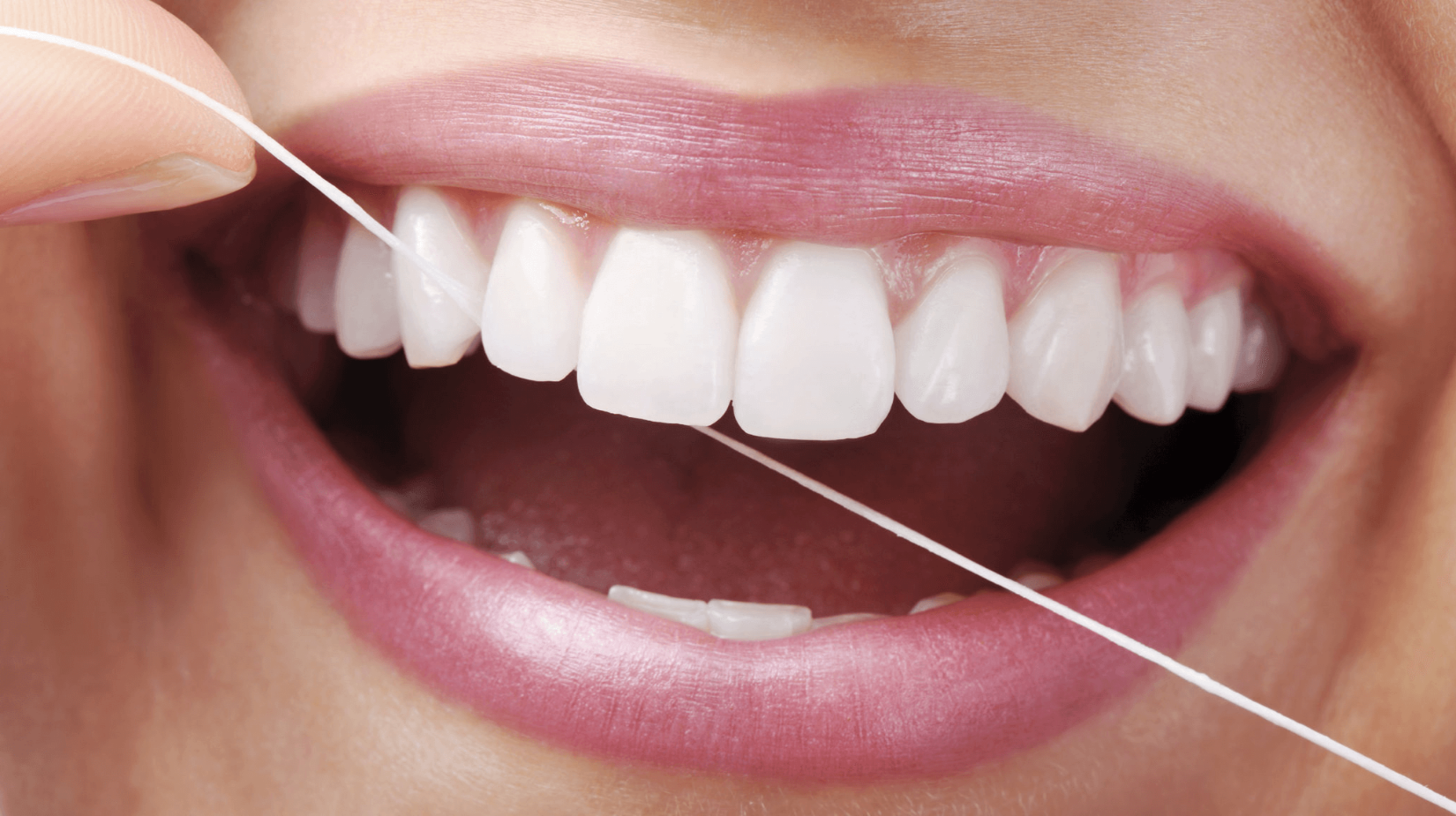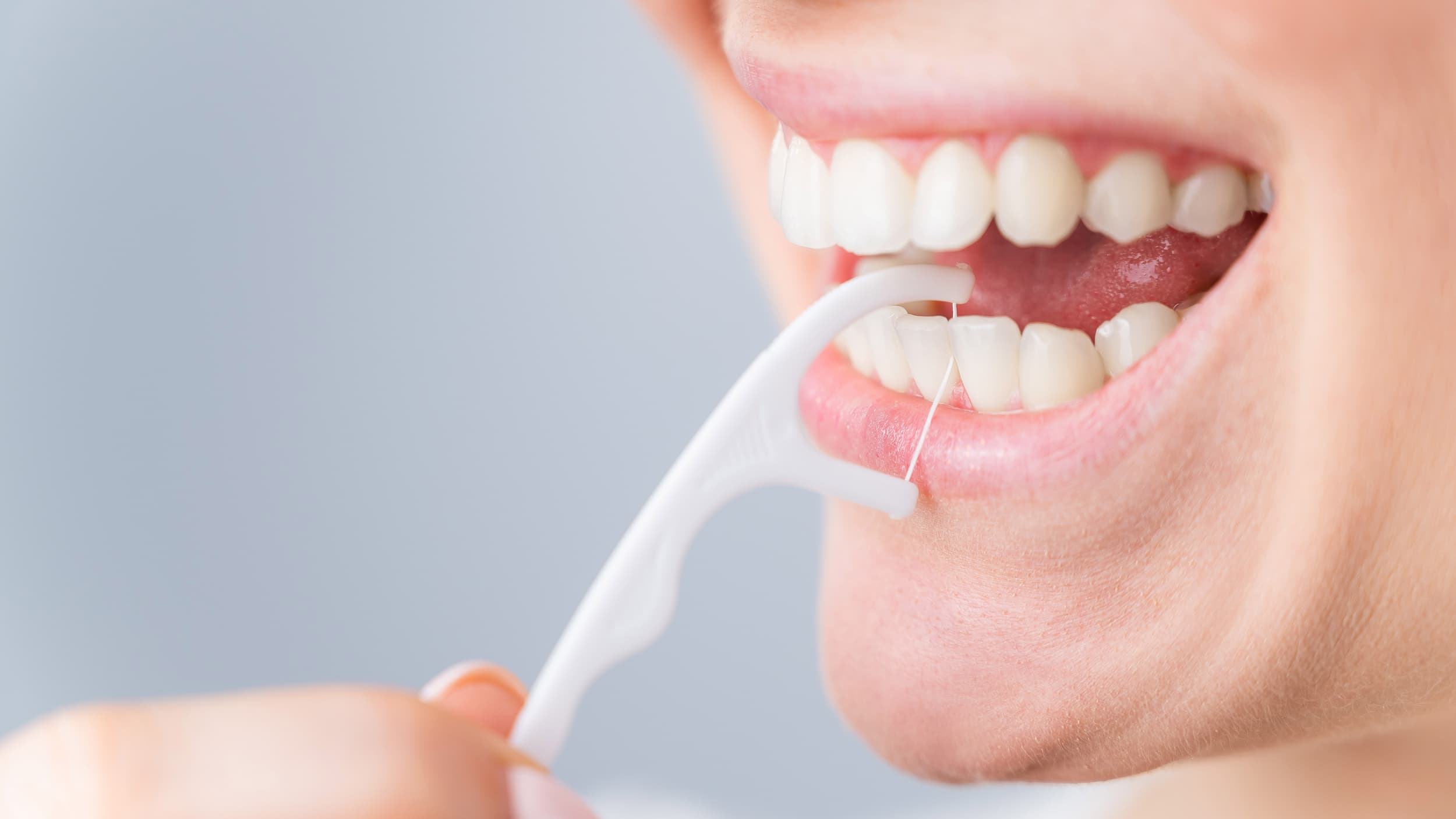
Dental Tape & Flossers for Sensitive Gums
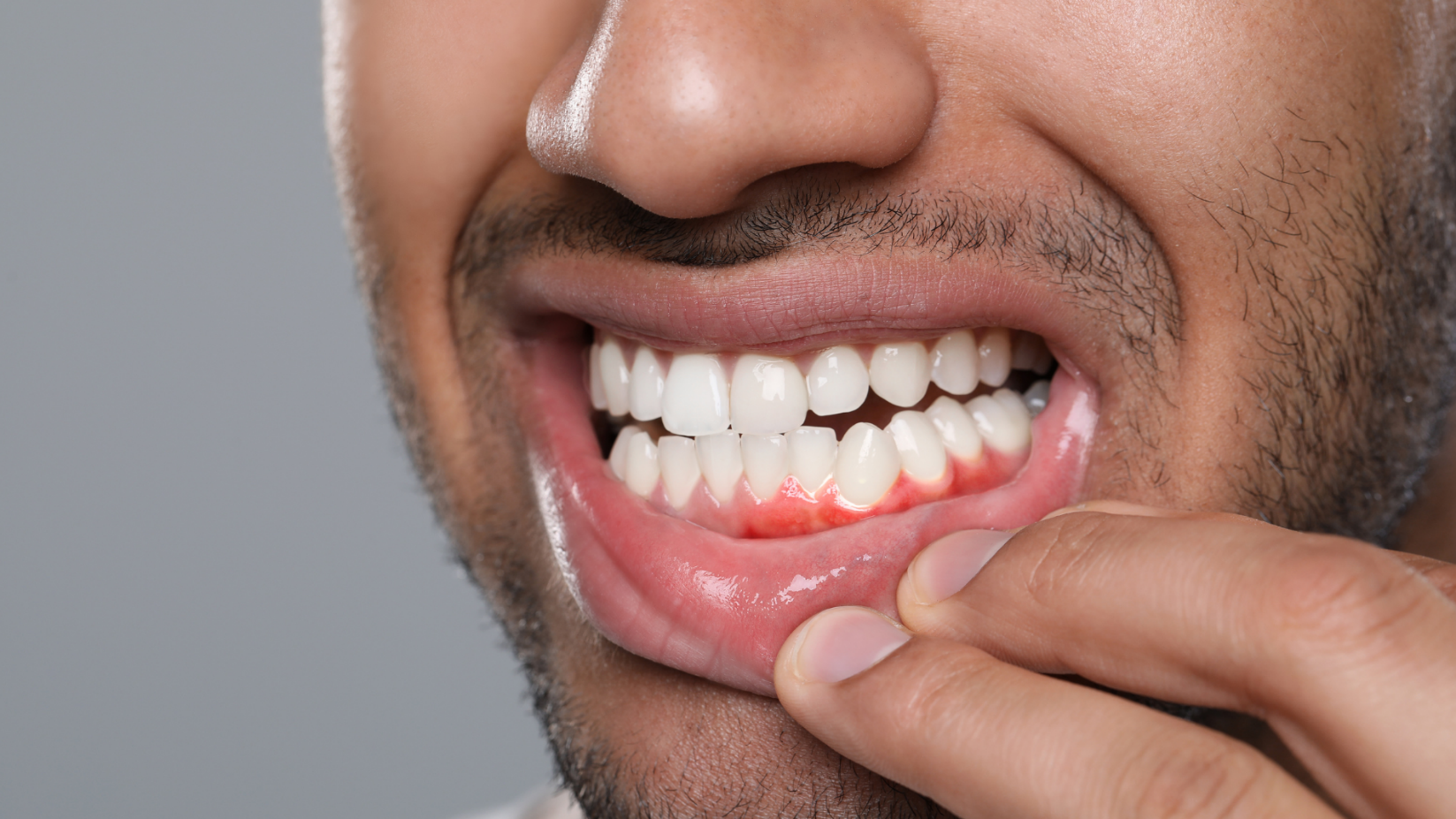
If your gums bleed or feel tender when you floss, it can be alarming - but does it mean you are doing something wrong or is it just part of adjusting to a new routine? Many people with sensitive gums avoid flossing entirely out of fear of pain or damage. Choosing the right tool and technique can make interdental cleaning comfortable, safe and highly effective. Understanding why gums bleed and how to approach sensitive gums can help you build a lifelong habit that protects your oral health.
Causes of Gum Bleeding: Normal vs Warning Signs
Mild bleeding when first starting to floss is common, especially if gums are inflamed from plaque buildup. This is often normal adjustment bleeding: as plaque is removed, gums can respond with minor inflammation, which usually improves within 1-2 weeks of regular, gentle flossing. However, persistent or heavy bleeding may be a warning sign of gingivitis or periodontitis - especially if accompanied by swelling, pain or bad breath. In such cases, professional evaluation is essential, as no technique or floss type alone can resolve underlying gum disease.
Choosing Gentler Materials for Sensitive Gums
For sensitive gums, the material and shape of the floss or tape make a big difference:
- PTFE floss slides easily between teeth, reducing friction and the risk of trauma.
- Waxed floss or tape glides more smoothly than unwaxed options, especially in tight contacts.
- Dental tape with a flatter, wider profile that distributes pressure, making it less likely to cut or bruise the gums.
Selecting the appropriate thickness for your interdental spaces is also key: too thick can irritate, too thin may fail to clean adequately.
When Bleeding Indicates a Problem
While minor bleeding can be expected initially, certain patterns should not be ignored:
- Bleeding that persists beyond two weeks of correct technique
- Bleeding with pain, swelling or pus
- Bleeding that occurs spontaneously, not just during flossing
In these situations, the gums may be signaling infection or early periodontal disease. Please contact your dentist and seek for advice.
Transitioning Safely to Daily Interdental Cleaning
By following the steps below, you can ensure that you will be able to transition safely to the recommended interdental cleaning routine:
- Start gently: Use floss with light pressure, gradually increasing coverage as your gums adapt.
- Short, consistent sessions: Focus on small sections each day rather than rushing through the whole mouth.
- Integrate with brushing: Floss before brushing to remove plaque and allow fluoride toothpaste to reach cleaned surfaces.
- Monitor and adjust: Track bleeding, soreness and comfort. Switch to a gentler product if needed and consult your dentist for persistent issues.
By easing into daily flossing, even people with sensitive gums can establish a routine that improves gum health without pain or trauma.
Conclusion
Sensitive gums do not have to mean avoiding interdental cleaning. With flossers or dental tape, proper technique and patience, daily cleaning becomes safe and effective. Minor bleeding at first is usually normal, but persistent or severe bleeding warrants professional attention. Gradually build a comfortable, lasting oral hygiene habit.
Sources
- NHS – How to keep your teeth clean: https://www.nhs.uk/live-well/healthy-teeth-and-gums/how-to-keep-your-teeth-clean/
- NHS – Delivering Better Oral Health: An Evidence-Based Toolkit for Prevention: https://www.gov.uk/government/publications/delivering-better-oral-health-an-evidence-based-toolkit-for-prevention
- American Dental Association – Flossing: https://www.mouthhealthy.org/all-topics-a-z/flossing
- European Federation of Periodontology: https://www.efp.org
- Cochrane Oral Health Group – Home use of devices for cleaning between the teeth (in addition to toothbrushing) to prevent and control gum diseases and tooth decay: https://www.cochrane.org/CD012018
- Journal of Clinical Periodontology: https://onlinelibrary.wiley.com/journal/1600051x