Manual vs Electric Toothbrushes: What Dental Research Actually Shows
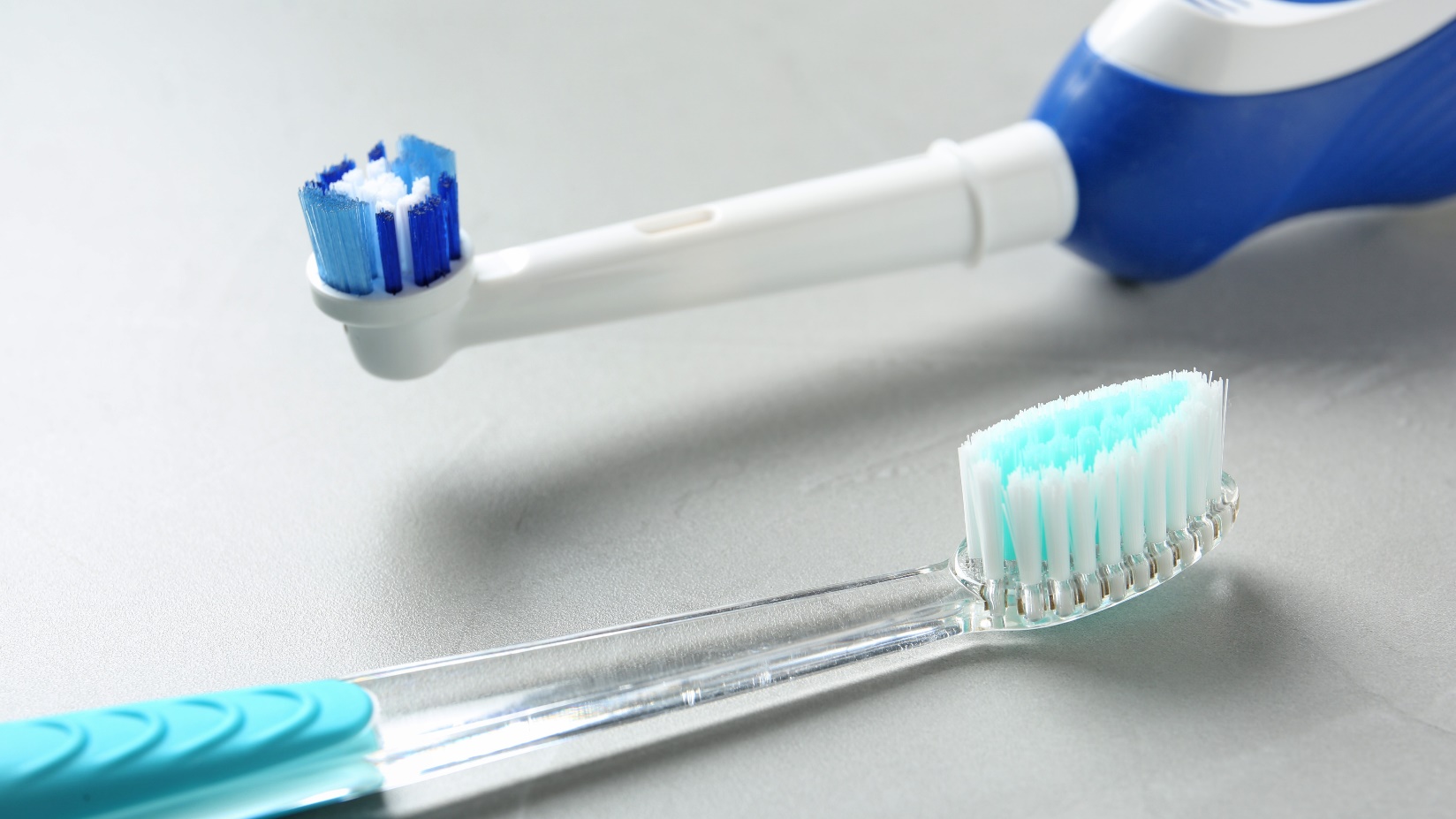
Choosing between a manual and an electric toothbrush is a common question in everyday oral care. With so many options available, it’s easy to assume that newer or more expensive technology must always be better. However, dental research from the UK, Europe and the United States paints a more balanced picture. The evidence shows that both manual and electric toothbrushes can be effective ways for maintaining good oral hygiene and the real difference often comes down to brushing technique, consistency and individual needs rather than the brush alone.
Overview of Manual and Electric Toothbrushes
Electric toothbrushes, particularly oscillating-rotating models, have been widely studied. Large reviews, including those from the Cochrane Collaboration, show that electric toothbrushes tend to reduce plaque and gingivitis slightly more than manual toothbrushes, especially in the short to medium term. Built-in timers and pressure sensors can help users brush for the recommended two minutes and avoid brushing too hard, which is a common problem.
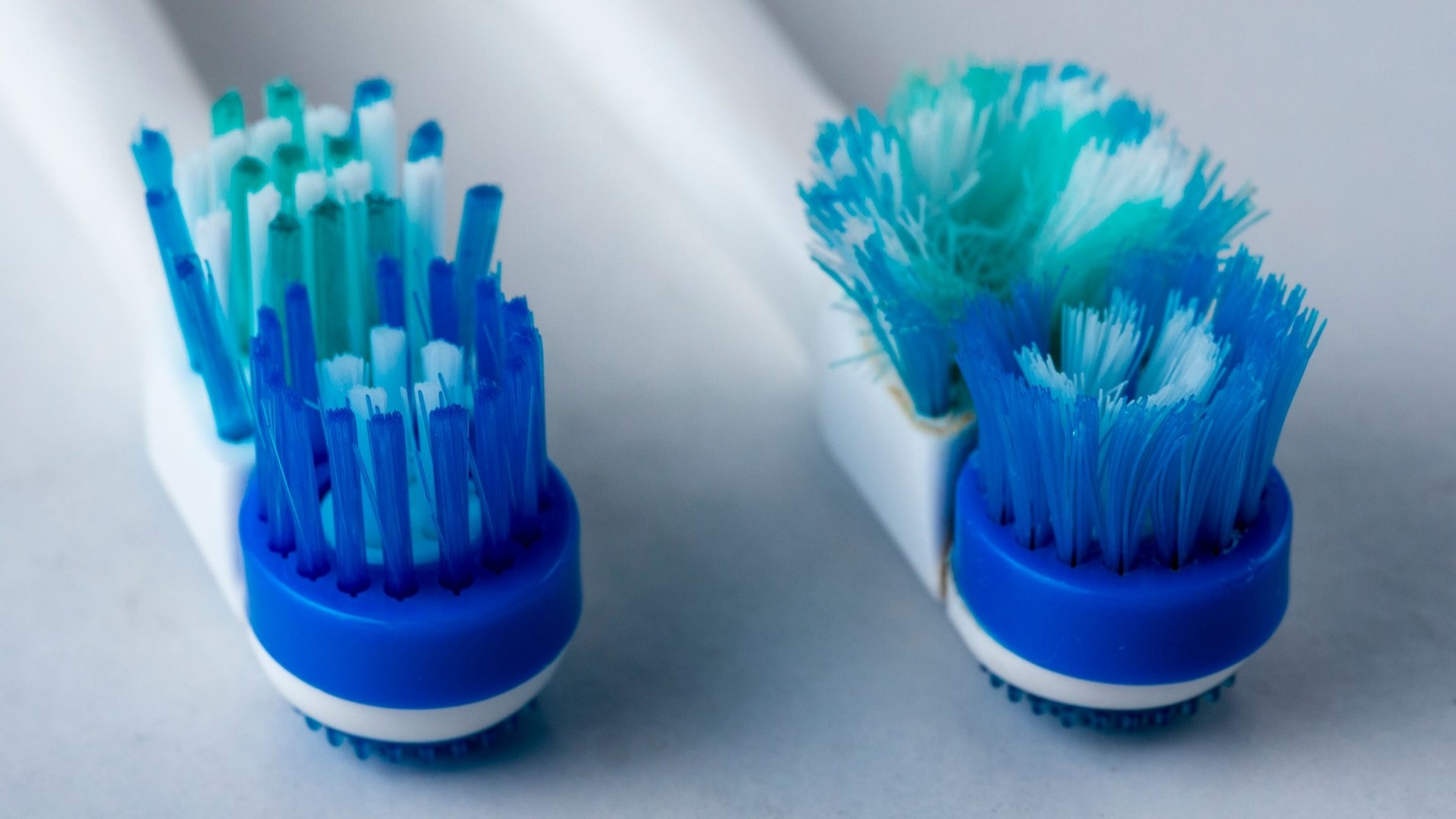
However, electric toothbrushes also have drawbacks. They are more expensive, require charging or batteries, and need regular replacement brush heads. Some users find them uncomfortable or rely too much on the device, assuming it will compensate for poor technique.
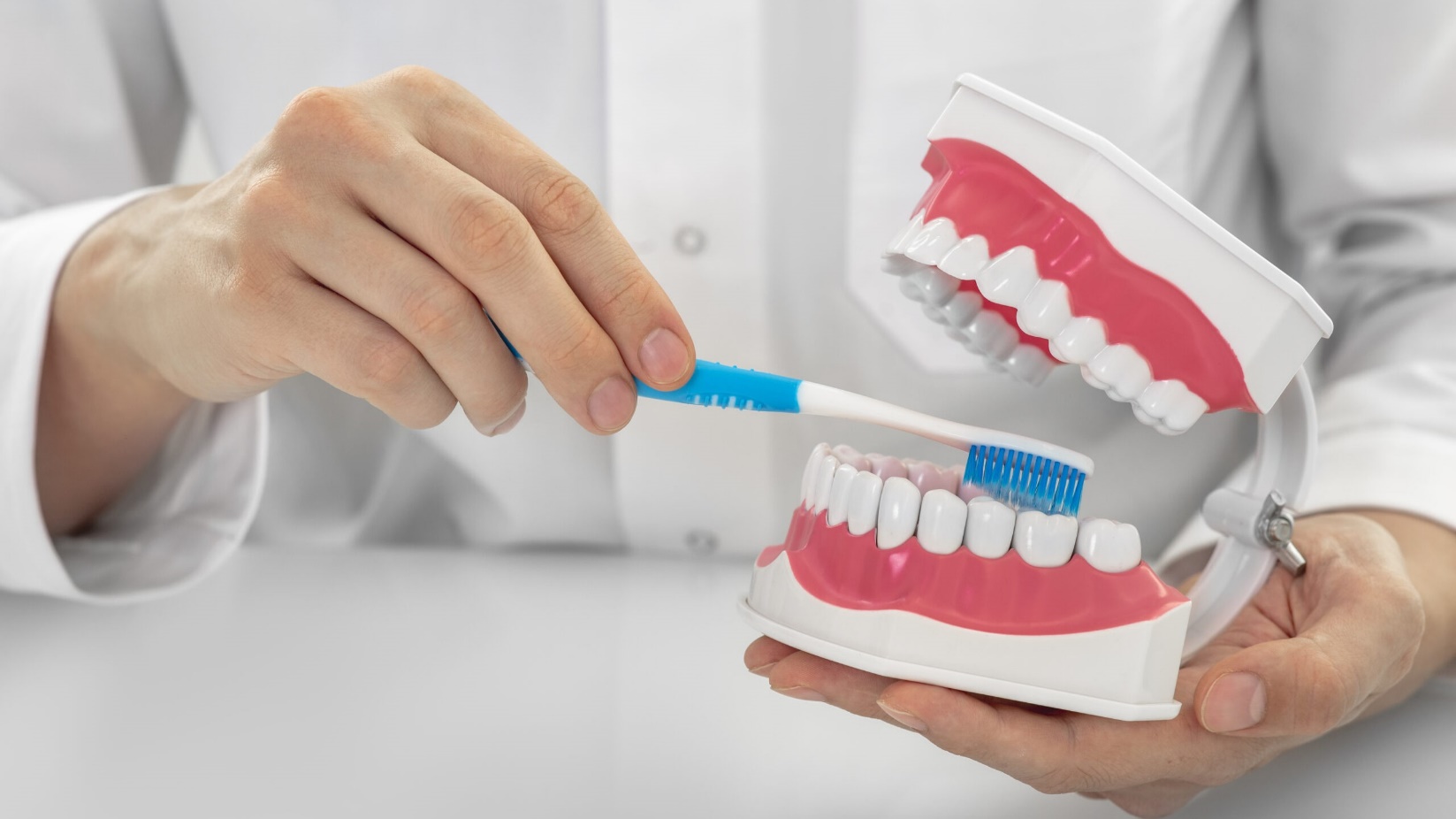
Manual toothbrushes, on the other hand, are affordable, widely available and simple to use. When paired with good brushing technique-gentle pressure, correct angle and sufficient brushing time, a manual toothbrush can be highly effective. Dental organizations consistently emphasize that manual toothbrushing remains a valid option for maintaining oral health. The main limitation is that manual brushing relies more heavily on the user’s skill and discipline and many people brush too quickly or unevenly without realizing it.
When a Manual Toothbrush Is the Better or More Practical Choice
In many situations, a manual toothbrush is not just adequate but preferable. For individuals on a budget, a high-quality soft-bristled manual toothbrush offers an effective and economical solution. Manual toothbrushes are also more practical for travel and daily use, as they require no charging or special accessories.
For people who already have good brushing habits, research suggests that the difference in outcomes between manual and electric toothbrushes becomes much smaller. If you consistently brush twice a day for 2 minutes using proper technique, a manual toothbrush can deliver excellent results. Comfort and preference also matter - using a toothbrush you like and trust increases the likelihood of maintaining good long-term habits.
Comparison from UK, EU and US Dental Organizations
Dental guidance from major organizations across different regions is remarkably consistent:
- In the UK, NHS guidance acknowledges that electric toothbrushes can reduce plaque and gingivitis more effectively in controlled studies, but stresses that effective brushing twice daily is more important than the type of brush used.
- European professional bodies, including periodontal research groups, echo this position. Their recommendations emphasize patient preference, correct technique and regular brushing as the foundation of oral health, regardless of whether the toothbrush is manual or electric.
- In the USA, the American Dental Association (ADA) recognizes that certain electric toothbrush designs show advantages in clinical studies. At the same time, the ADA approves both manual and electric toothbrushes through its Seal program and highlights that proper use is the key factor in maintaining oral hygiene.
Conclusion
Dental research does not support a one-size-fits-all answer in the manual versus electric toothbrush debate. Electric toothbrushes offer measurable benefits for some users, particularly those who struggle with technique, timing or dexterity. Manual toothbrushes, when used correctly, remain a highly effective, practical and accessible option. Ultimately, the best toothbrush is the one you use consistently, with proper technique and replace regularly. Focusing on how you brush matters far more than the tool itself.
Sources
- NHS: https://www.gov.uk/government/publications/delivering-better-oral-health-an-evidence-based-toolkit-for-prevention
- European Federation of Periodontology: https://www.efp.org
- American Dental Association: https://www.ada.org
- Cochrane Collaboration: https://www.cochranelibrary.com
- Mayo Clinic: https://www.mayoclinic.org