Manual Toothbrushes and Enamel Protection: Brushing Without Damage
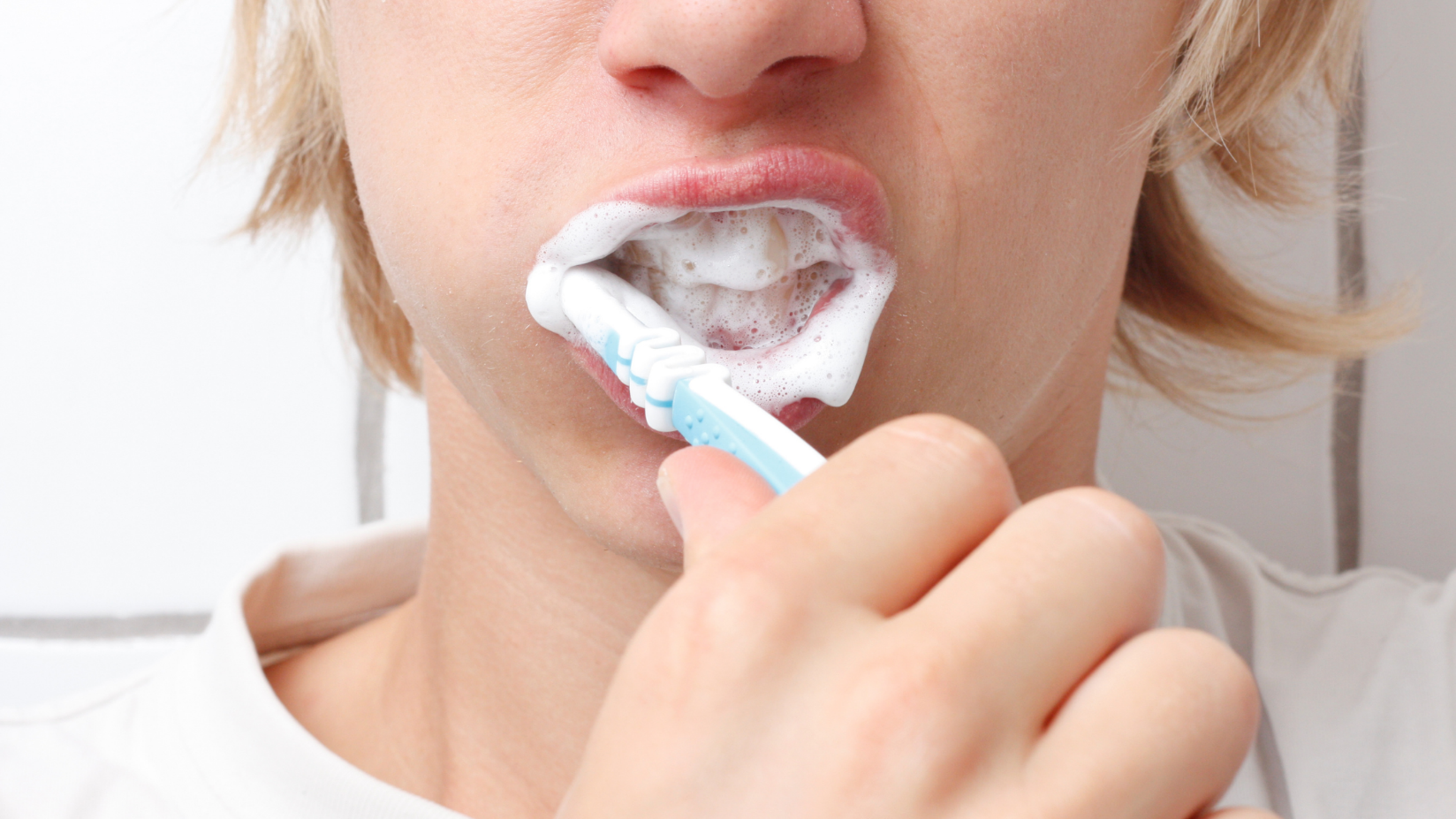
Brushing your teeth every day is essential for good oral hygiene, plaque removal and cavity prevention. However, many people do not realize that improper brushing with a manual toothbrush can contribute to enamel abrasion and tooth wear over time. Tooth enamel is the hard, protective outer layer of the teeth and once it is worn away, it cannot regenerate. The good news is that dental research and clinical guidelines show that with the right brushing technique, toothbrush choice and daily habits, a manual toothbrush can clean effectively while protecting enamel and long-term oral health.
Understanding Enamel Abrasion and Tooth Wear
Enamel abrasion refers to mechanical wear of the tooth surface caused by repeated friction. This often develops gradually due to excessive brushing force, improper brushing technique or unsuitable toothbrush and toothpaste combinations. Although enamel is the hardest substance in the human body, it becomes more vulnerable when brushing is aggressive or when teeth are exposed to acidic foods and drinks.
Research indicates that higher brushing force increases the abrasive effect of manual toothbrushing, particularly on dentin, the softer layer beneath enamel. While healthy enamel is relatively resistant under normal conditions, repeated stress over time can contribute to visible wear, sensitivity and changes near the gumline.
Toothbrush design also plays an important role. Studies comparing soft and extra-soft bristles, suggest that finer and more flexible bristles produce less enamel surface roughness in simulated brushing. These findings support the use of softer manual toothbrushes to reduce abrasion while maintaining effective plaque removal.
Using Gentle Brushing Technique to Protect Enamel
One of the most effective ways to prevent enamel damage is adopting gentle, evidence-based brushing habits. There are a few key points which can help you protect your enamel for longer:
- Use Soft bristles for daily manual toothbrushing.
- Use Extra-Soft bristles to further reduce surface wear, especially if you suffer from sensitivity or early enamel loss.
- Use rounded, flexible bristles to let them adapt to tooth surfaces and reduce the likelihood of scratch enamel or irritate gums.
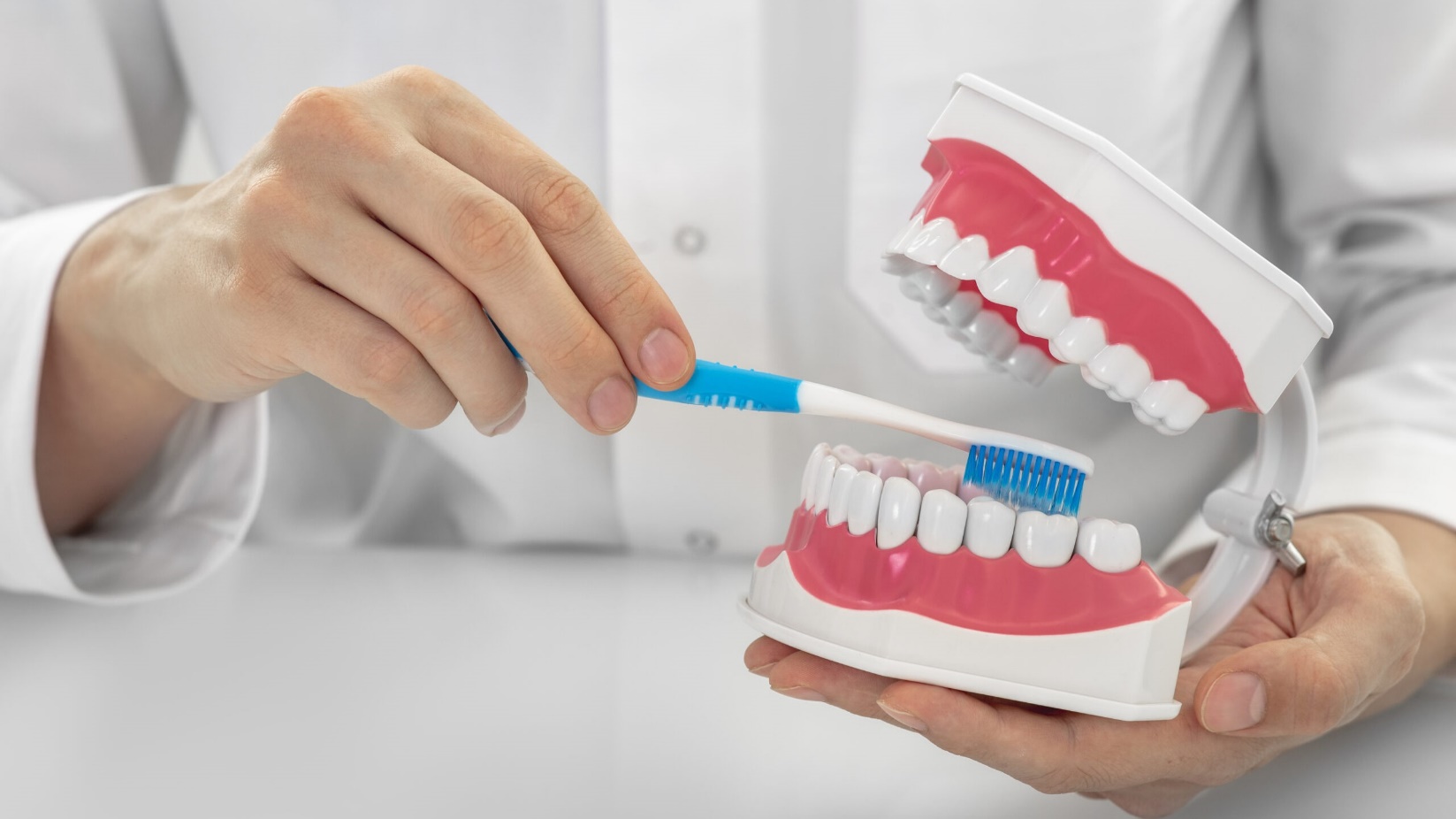
- Proper brushing angle and motion are equally important. Holding the toothbrush at a 45-degree angle toward the gumline and using gentle circular or short sweeping motions helps remove plaque while limiting direct abrasion on the tooth surface. Aggressive horizontal scrubbing should be avoided.
- Moderate pressure is essential. Pressing harder does not improve cleaning efficiency and can increase enamel wear and gum recession. If bristles bend outward quickly, brushing pressure is likely too high.
- Brushing for 2 minutes twice daily provides effective plaque removal without unnecessary cumulative wear.
- Wait approximately 30 minutes after consuming acidic foods or drinks before brushing. This allows saliva to neutralize acids and helps softened enamel reharden, reducing the risk of abrasion.
Choosing the Right Toothbrush and Toothpaste
Toothpaste abrasivity is another important factor in enamel protection. Highly abrasive toothpastes, including some whitening formulas, can increase surface wear when combined with regular brushing. Choosing a low-abrasivity toothpaste is especially important for individuals with tooth sensitivity, exposed dentin or signs of enamel erosion.
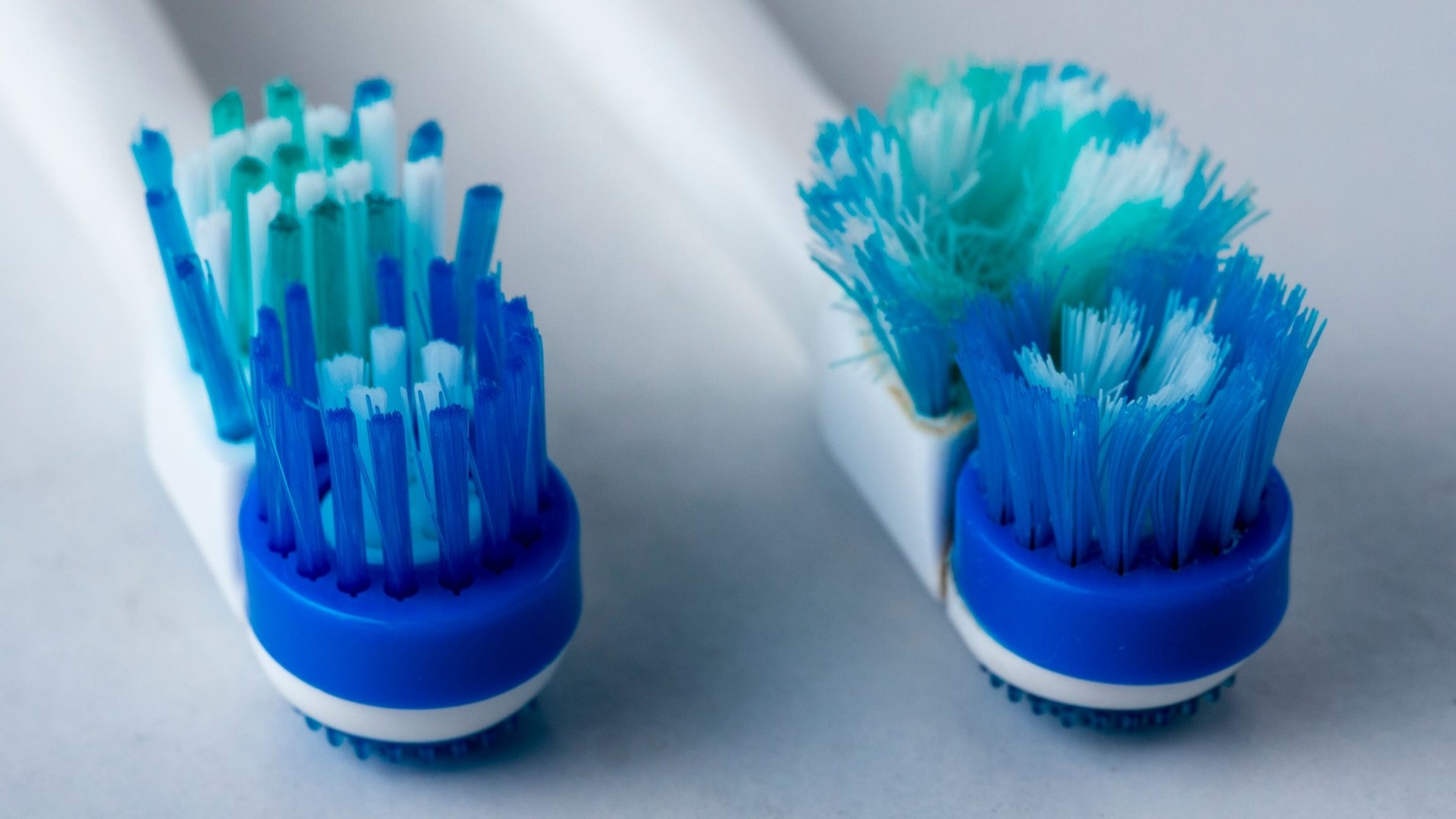
Regular toothbrush replacement also supports enamel-friendly brushing. Manual toothbrushes should be replaced every 2-3 months or sooner if bristles become frayed. Worn bristles clean less effectively and often lead users to apply more pressure, increasing abrasion risk.
When to Seek Professional Advice
Signs of enamel abrasion include increased sensitivity to hot or cold, visible notches near the gumline, smooth or shiny worn areas, and rough tooth edges. If these symptoms appear, a dental professional can evaluate brushing habits, toothpaste choice and contributing factors such as tooth grinding and provide personalized recommendations to prevent further damage.
Conclusion
Protecting enamel while using a manual toothbrush is both achievable and essential for long-term oral health. By choosing soft or advanced bristle designs, using gentle brushing technique, controlling pressure and timing brushing appropriately, you can maintain excellent oral hygiene without causing tooth wear. Small, research-backed adjustments to your daily routine can make a lasting difference in preserving your natural enamel and keeping your teeth healthy for years to come.
Sources
- Periodontal Care: https://www.periodontalcare.sdcep.org.uk
- UK NHS - Delivering Better Oral Health: An Evidence-Based Toolkit: https://www.gov.uk/government/publications/delivering-better-oral-health-an-evidence-based-toolkit-for-prevention
- National Library of Medicine (PubMed): https://pubmed.ncbi.nlm.nih.gov
- Dentistry Unleashed - Brushing Techniques and Enamel Safety: https://dentistryunleashed.com
- In vitro Evaluation of Abrasion of Eroded Enamel by Different Manual, Power and Sonic Toothbrushes: https://karger.com/cre/article/40/1/60/79697/In-vitro-Evaluation-of-Abrasion-of-Eroded-Enamel