Should Children Use Dental Tape and Flossers?
When should you start teaching your child to floss and what is the safest way? Many parents assume that flossing is not necessary until all adult teeth have erupted, but early interdental cleaning plays a key role in preventing cavities and promoting lifelong gum health. Introducing flossing at the right time, with safe tools and proper supervision, sets children up for a strong oral hygiene routine that lasts into adulthood.
Safety and Supervision Concerns
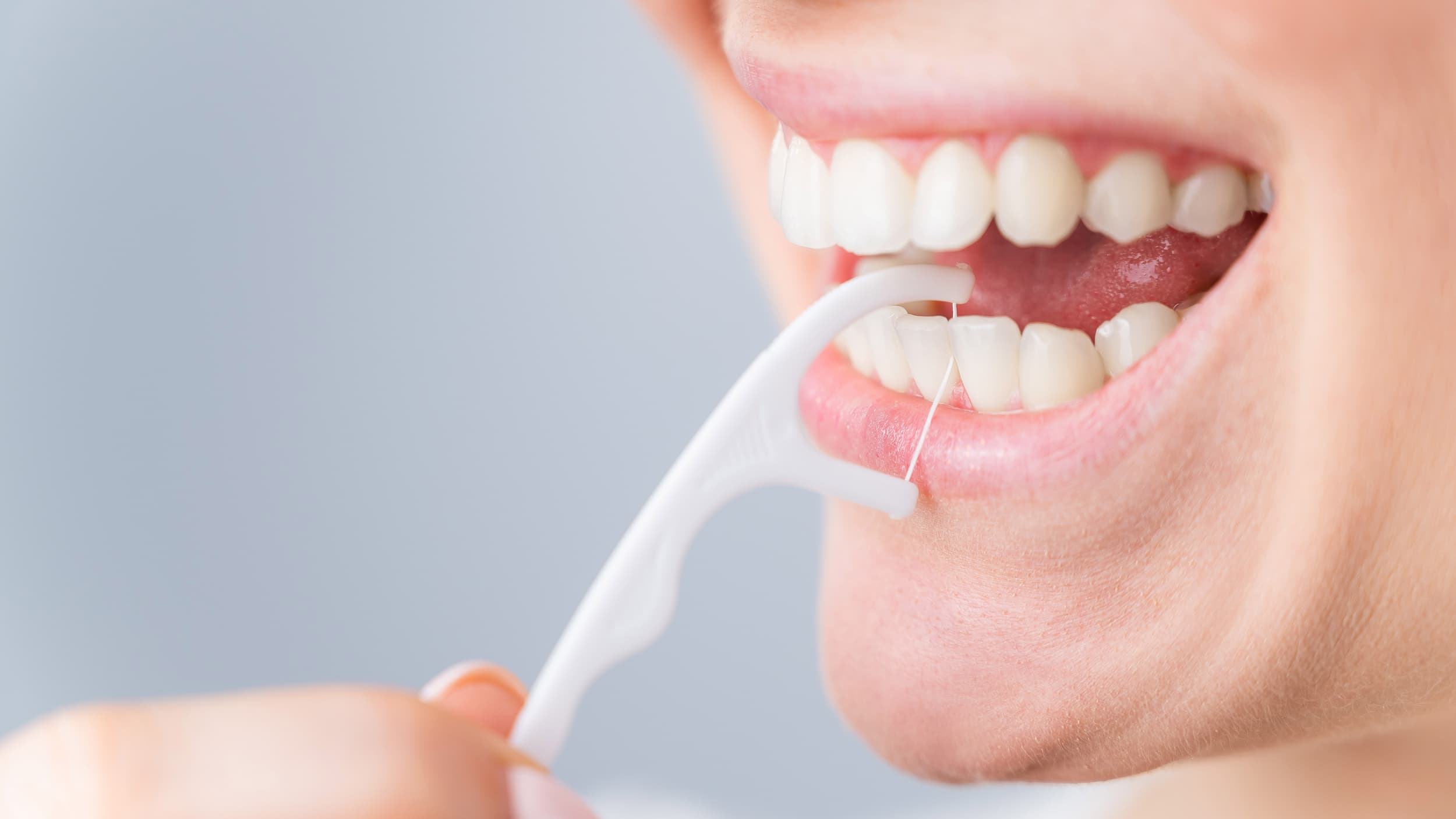
Children's mouths are smaller and their motor skills are still developing, which means flossing can be tricky and sometimes risky without guidance. Flossers with handles are often safer and easier for children to use than traditional string floss, as they allow better control and reduce the chance of snapping the floss into the gums. Always supervise young children during flossing to ensure gentle technique and to prevent swallowing or accidental injury.
Misconception: "Flossing Is not Necessary Until All Adult Teeth Erupt"
Plaque can accumulate between baby teeth just as it does between adult teeth, and cavities can form in the tight spaces between primary teeth. Flossing teeth should start when your child has at least two adjacent teeth, typically around ages 2-3. Always floss under the direction of your child's dentist or doctor. Before this age, flossing is not needed. Children often need help with flossing until they are ages 10 to 11.
Flossing Methods for Children: Step-by-Step Guidance
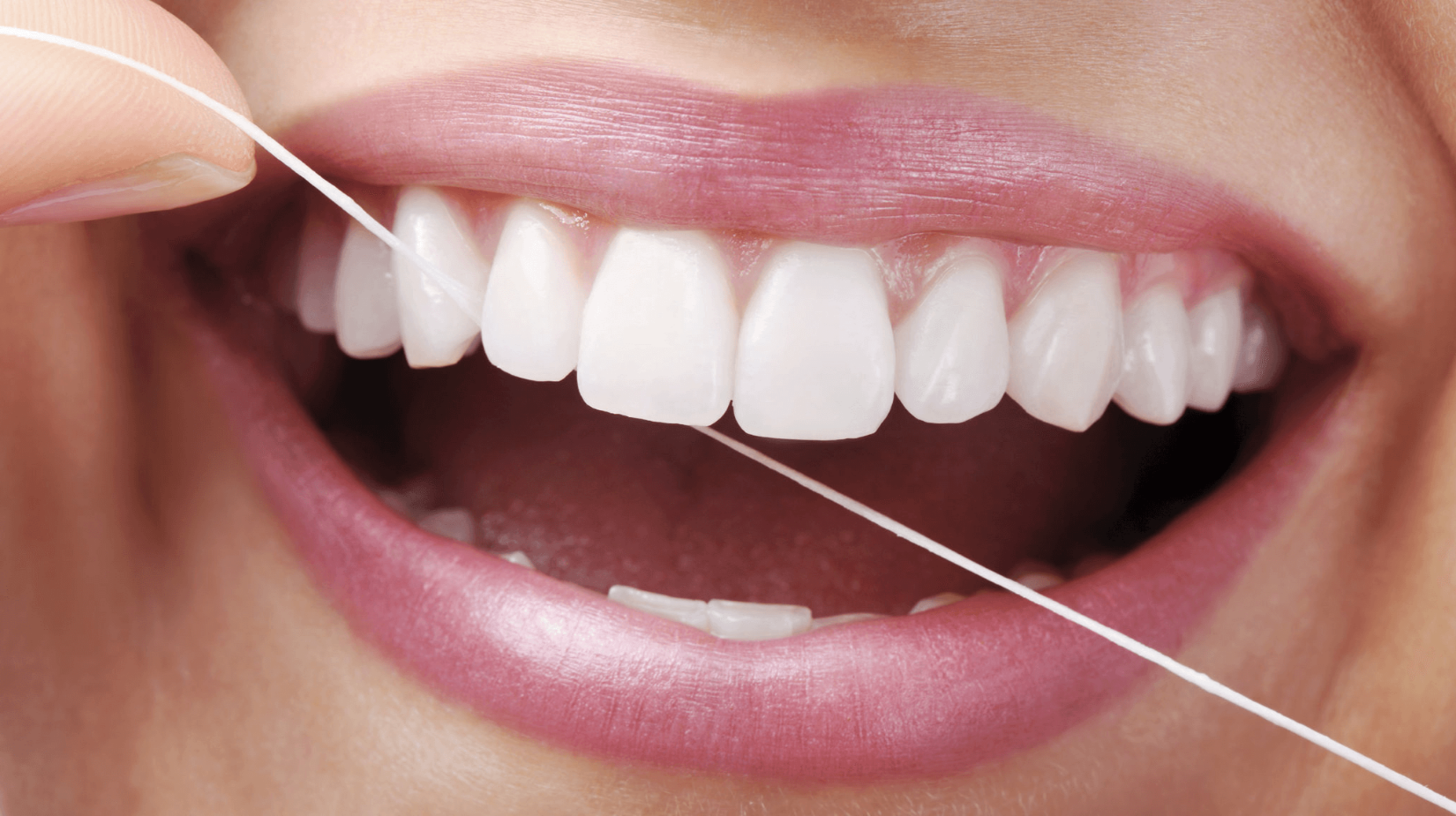
Learning the correct flossing technique is essential for effective plaque removal and long-term oral hygiene. A child's dentist or dental hygienist can demonstrate proper flossing, but parents play a key role in reinforcing the right method at home. Below are 2 flossing techniques that are safe, effective and suitable for children:
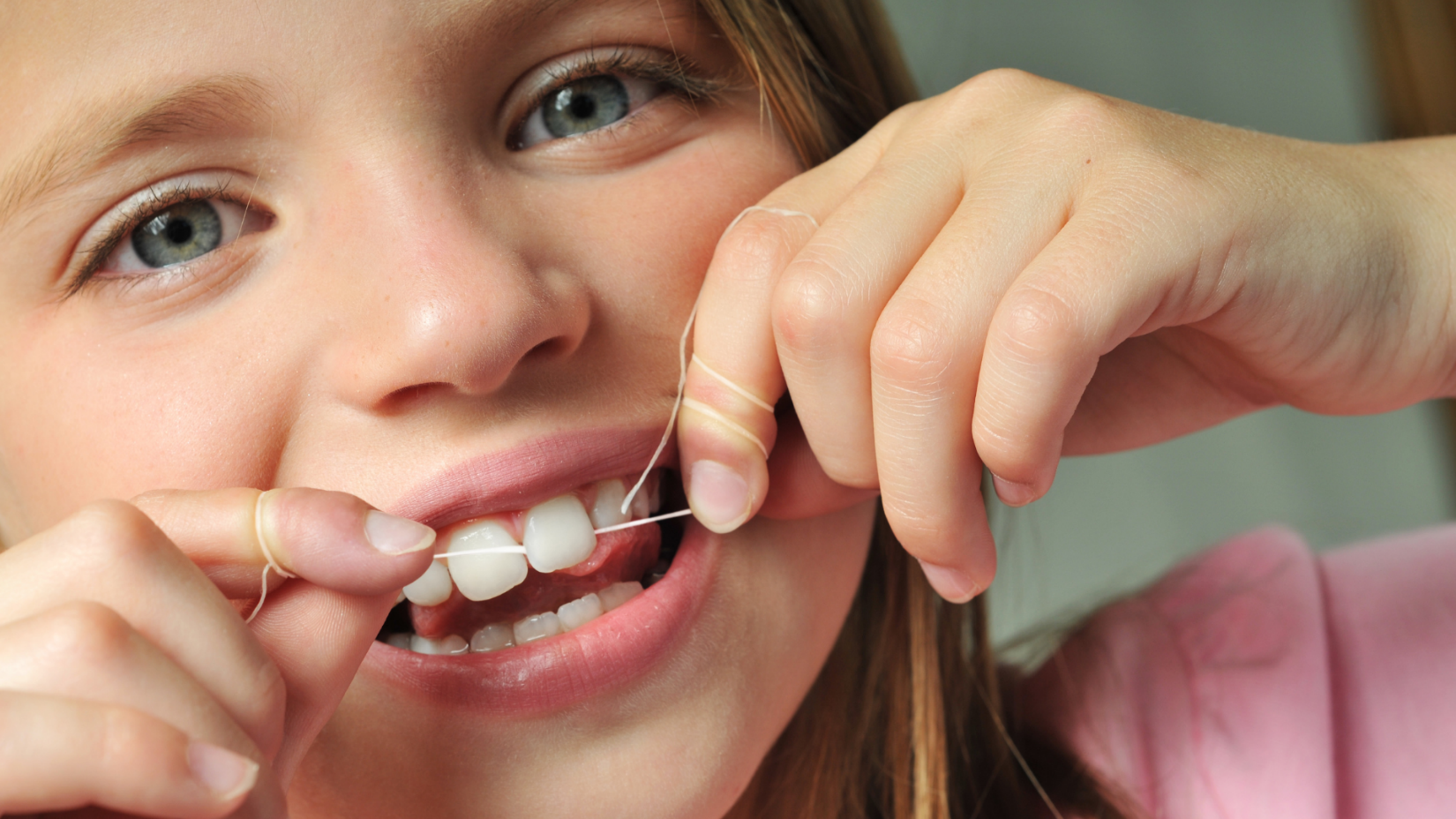
The Spool Method (Finger-Wrap Technique)
- Cut a piece of dental tape approximately 18-20 inches long.
- Gently wrap each end of the floss around the middle fingers, leaving a small section of floss to work with.
- Use your thumbs and index fingers to carefully guide the floss between the teeth using an up-and-down motion, but not side-to-side motion.
- Once the floss reaches the gum line, curve it into a C-shape around each tooth.
- Move the floss gently below the gum line, then slide it up and down to remove plaque and food debris before moving to the next tooth.
The Loop Method (Circle Technique)
- Cut about 18 inches of dental floss and tie the ends together to form a secure loop.
- Place all fingers - except the thumbs - inside the loop.
- Use the index fingers to guide the floss between the lower teeth and the thumbs for the upper teeth.
- Gently slide the floss below the gum line, forming a C-shape around each tooth.
- Clean each side of the tooth using a slow, controlled motion before moving on.
Both flossing methods, when done correctly and consistently, help improve a child's brushing routine and support healthy gums and cavity prevention.
Building Long-Term Habits Early
Introducing flossing early helps children:
- Develop manual dexterity for effective flossing.
- Understand the importance of daily oral hygiene.
- Reduce the risk of plaque accumulation and early gum inflammation.
Start with assisted flossing - parents can help until children are confident with technique. Gradually, children can transition to independent flossing with supervision.
Conclusion
Flossing is not just for adults - children benefit from early, supervised interdental cleaning. Flossers are often the safest starting point, while dental tape can be introduced later. By starting gently, supervising technique and building habits early, parents can help their children establish lifelong gum health practices.
Sources
- NHS: https://www.nhs.uk
- American Dental Association: https://www.ada.org
- European Academy of Pediatric Dentistry: https://www.eapd.eu/
- Cochrane Oral Health Group – Interdental cleaning for children: https://www.cochrane.org/CD012018
- Journal of Clinical Periodontology: https://onlinelibrary.wiley.com/journal/1600051x
- Stanford Medicine Children's Health: https://www.stanfordchildrens.org/en.html