Teaching Kids Good Brushing Habits
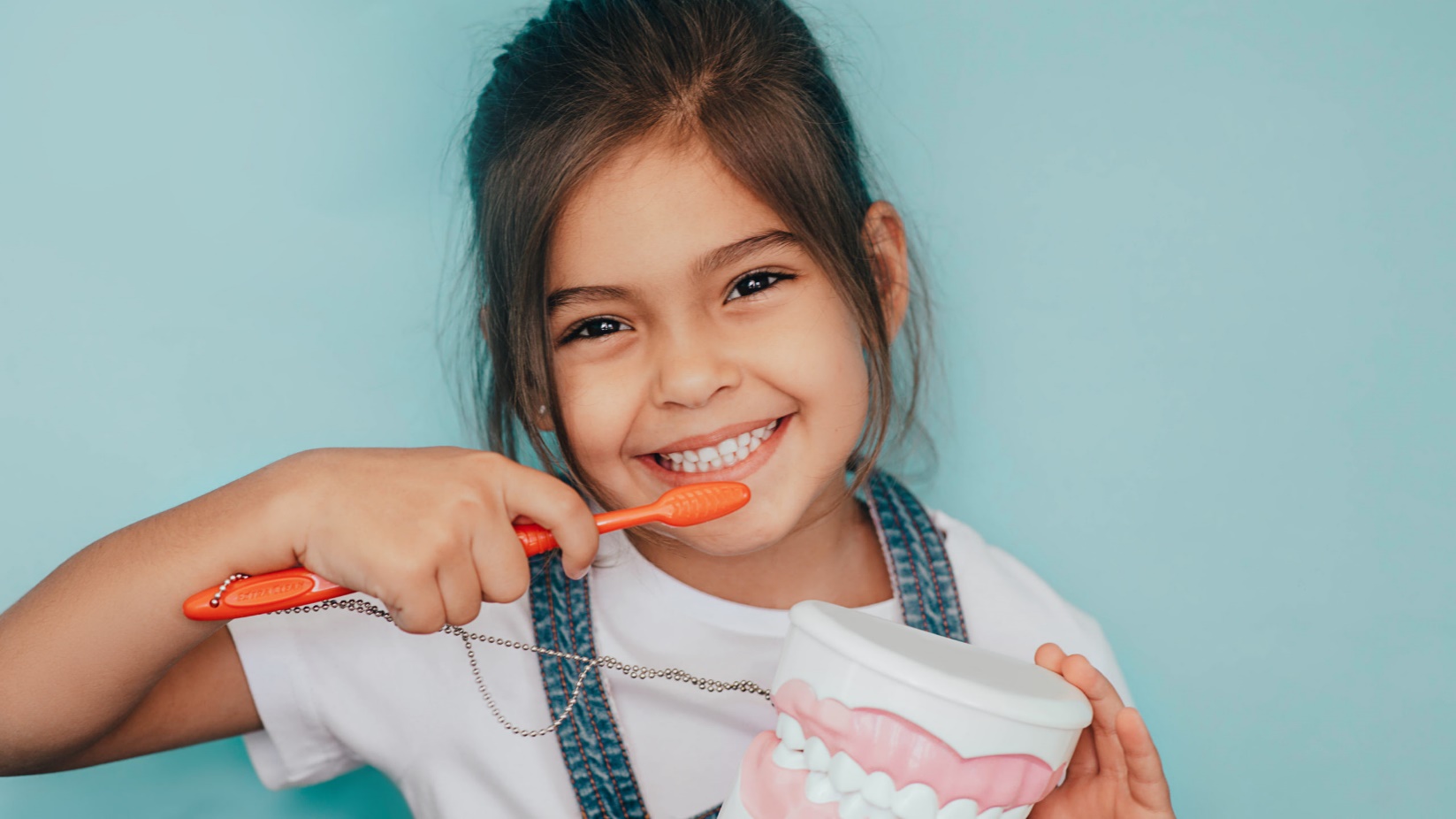
Getting children to brush their teeth properly can feel like a daily challenge for many parents. One day they are enthusiastic, the next day they are distracted or rushing through it. These early experiences matter more than many people realize. From an oral care perspective, the habits children develop around brushing often carry into adulthood. With the right tools, clear guidance and a positive approach, parents can help children build strong oral hygiene routines that last a lifetime.
Choosing the Right Toothbrush for Children
Selecting a toothbrush designed specifically for children is an important first step. Children have smaller mouths and more sensitive gums, which means adult toothbrushes can be uncomfortable and difficult to use. A child-friendly toothbrush should have a small head that easily reaches all areas of the mouth without causing discomfort.
Soft or extra-soft bristles are essential for protecting young enamel and delicate gums. A lightweight handle with a non-slip grip helps children maintain control as they learn proper brushing technique. Allowing children to choose their own toothbrush, whether based on color or design, can also increase their willingness to brush regularly and independently.
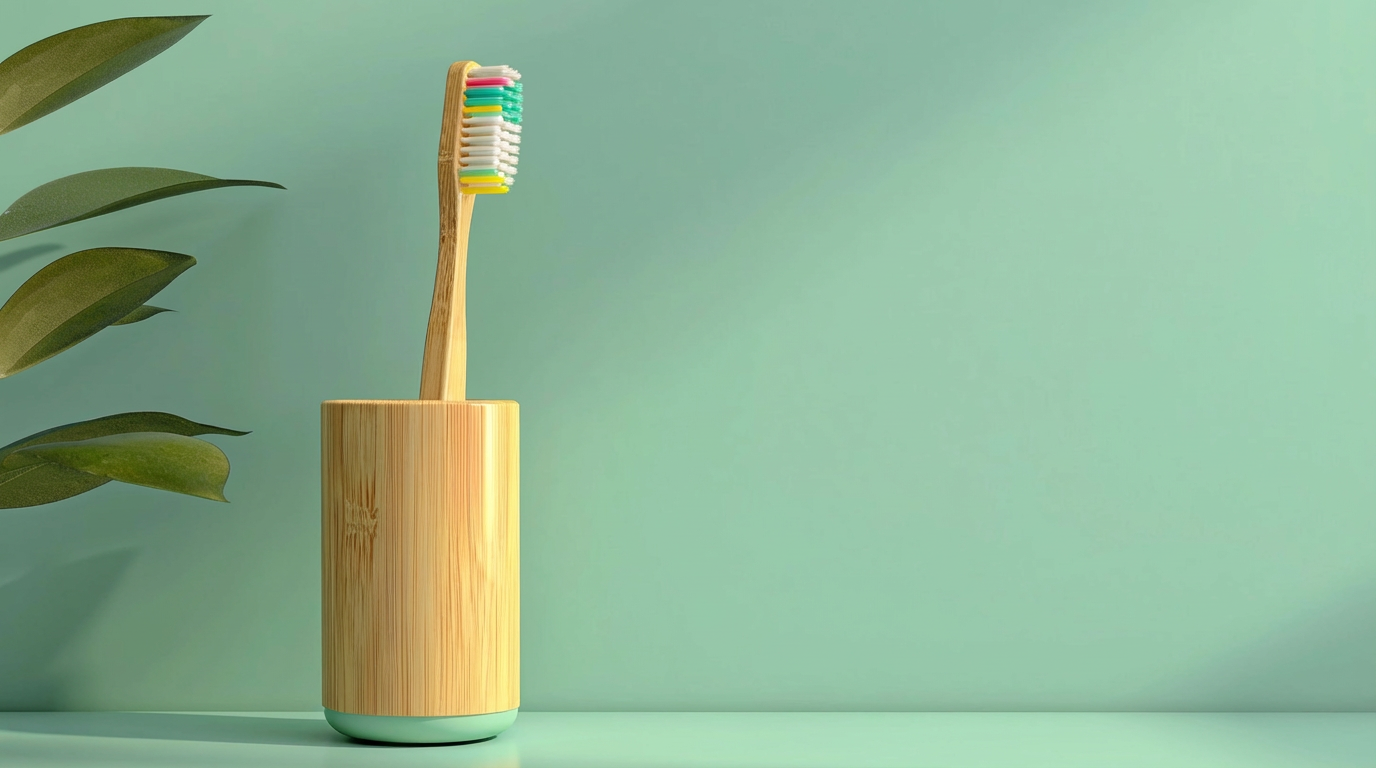
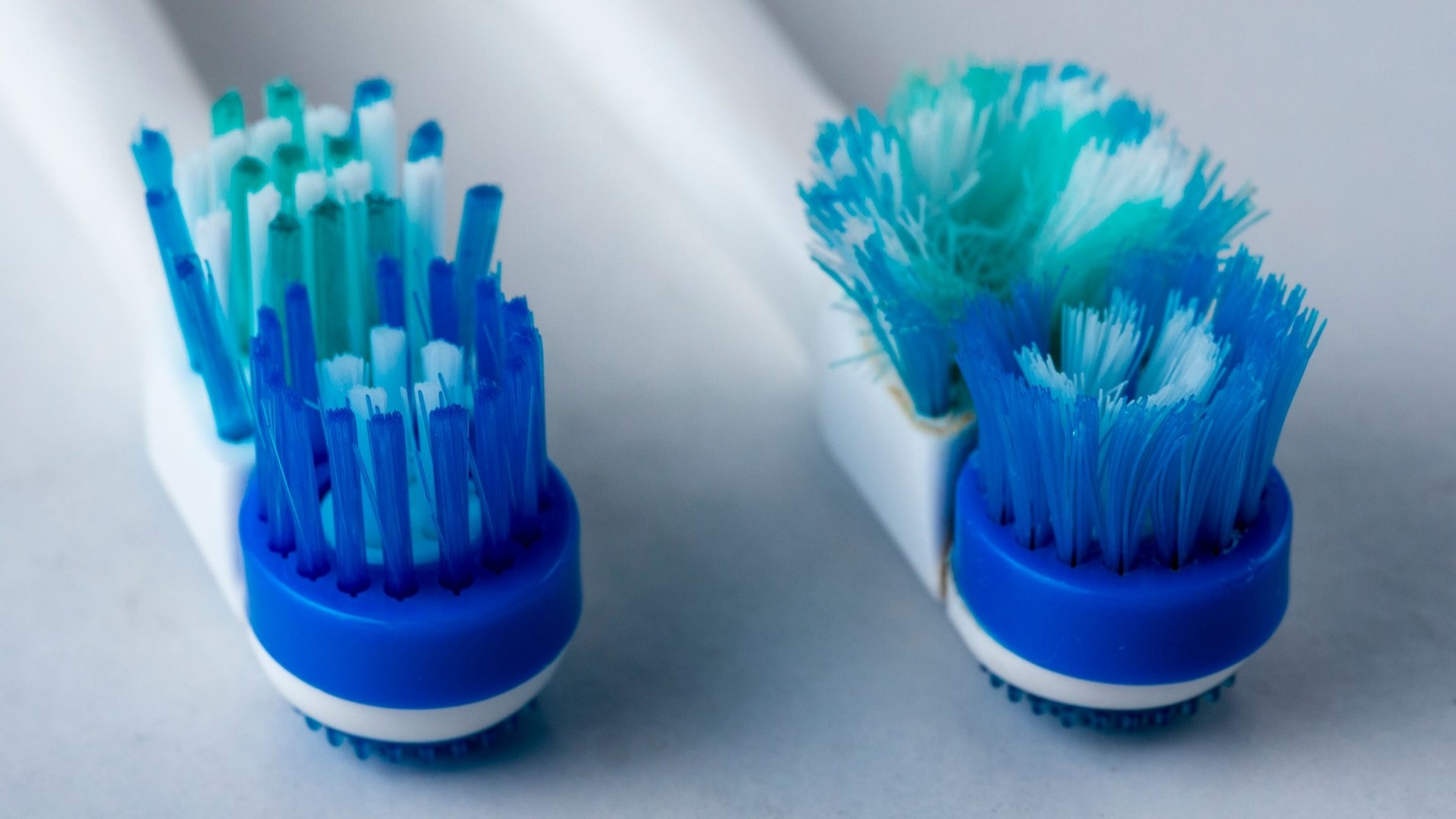
Practical advice for parents includes replacing children’s toothbrushes every 2-3 months or sooner if bristles become worn and checking that the brush size still suits your child as they grow.
Making Brushing Fun and Building Lifelong Oral Hygiene Routines
Making brushing enjoyable is key to consistency. Children are far more likely to cooperate when brushing feels fun rather than forced. Simple strategies such as playing a two-minute song, using a timer or brushing along with a favorite character video can help children understand how long they should brush.
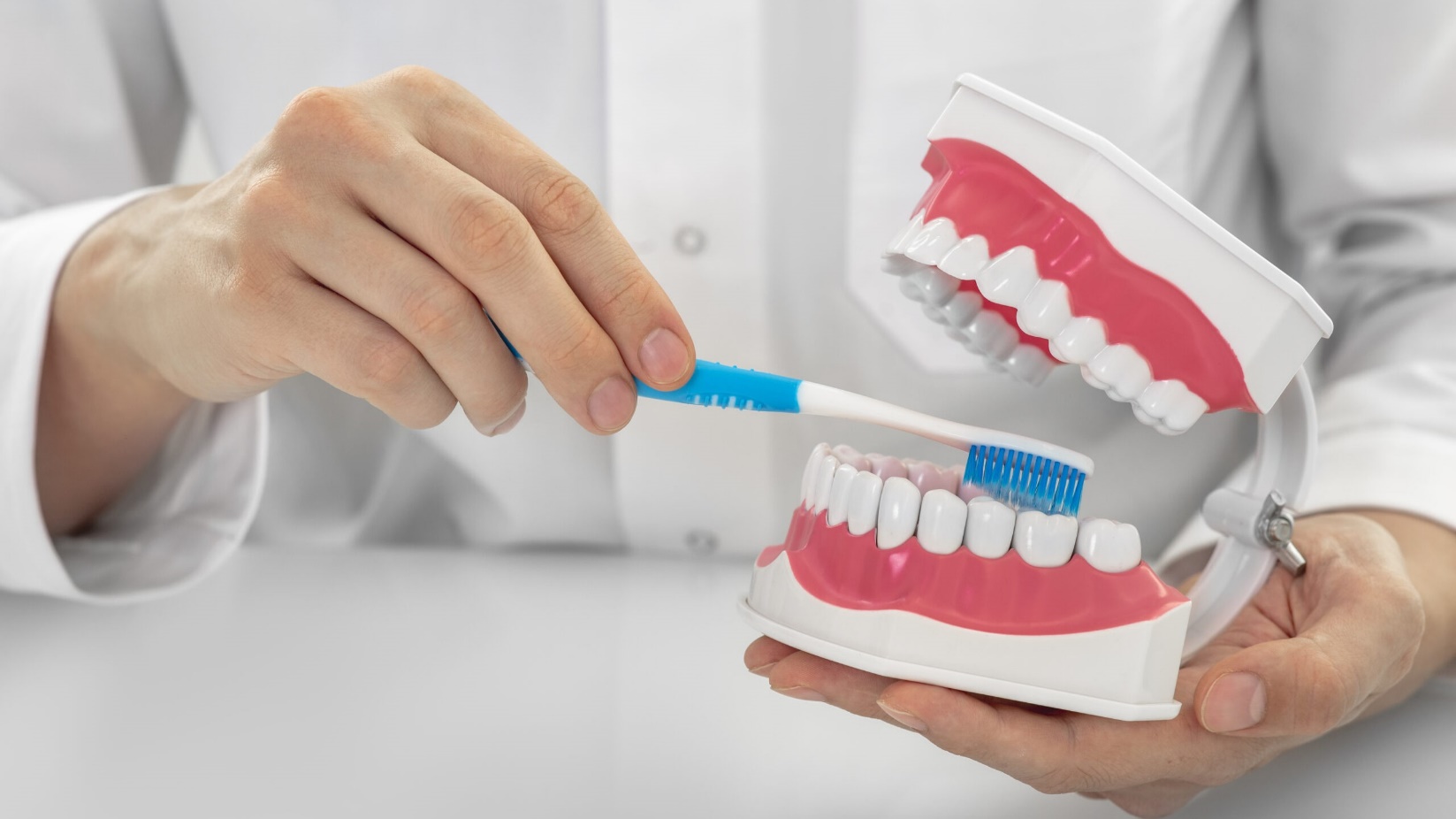
Brushing together as a family helps reinforce good habits. Children learn by imitation and seeing parents brush their teeth twice a day normalizes oral hygiene as part of everyday life. Parents should supervise brushing until children develop the coordination needed to brush effectively on their own, usually around the age of seven or eight.
Another practical tip is to use only a pea-sized amount of fluoride toothpaste for children over three years old and to encourage spitting rather than rinsing with large amounts of water. This helps fluoride stay on the teeth longer and improves cavity protection.
Conclusion
Teaching kids good brushing habits takes time, patience and consistency. By choosing an age-appropriate toothbrush, guiding proper technique and making brushing a positive daily experience, parents can set their children up for long-term oral health success. Small, supportive actions at home can make a lasting difference in a child’s smile and overall wellbeing.
Sources
- NHS – Children’s Teeth and Brushing Advice: https://www.nhs.uk
- Centers for Disease Control and Prevention – Children’s Oral Health: https://www.cdc.gov
- National Institute of Dental and Craniofacial Research: https://www.nidcr.nih.gov
- American Dental Association – Children’s Oral Health: https://www.ada.org