When Should Children Start Using Interdental Brushes or Picks?

As a parent, you might wonder when it is appropriate to introduce interdental brushes or picks into your child’s oral-care routine. Many parents focus on brushing alone, not realizing that the spaces between teeth are particularly vulnerable to plaque and cavities in growing mouths. Establishing proper interdental cleaning habits early can prevent tooth decay, support healthy gums and make oral hygiene a lifelong habit.
Why Interdental Cleaning Matters for Children
Even before permanent teeth appear, plaque can accumulate between baby teeth and along the gum line. If left untreated, this can lead to cavities, gum inflammation and discomfort. Cleaning between teeth helps reduce the risk of tooth decay and prepares children for healthy adult teeth. Interdental cleaning is especially important as children transition from primary to permanent teeth, when tight spaces and new eruptions make brushing alone less effective.
Age Guidelines for Interdental Brushes and Picks
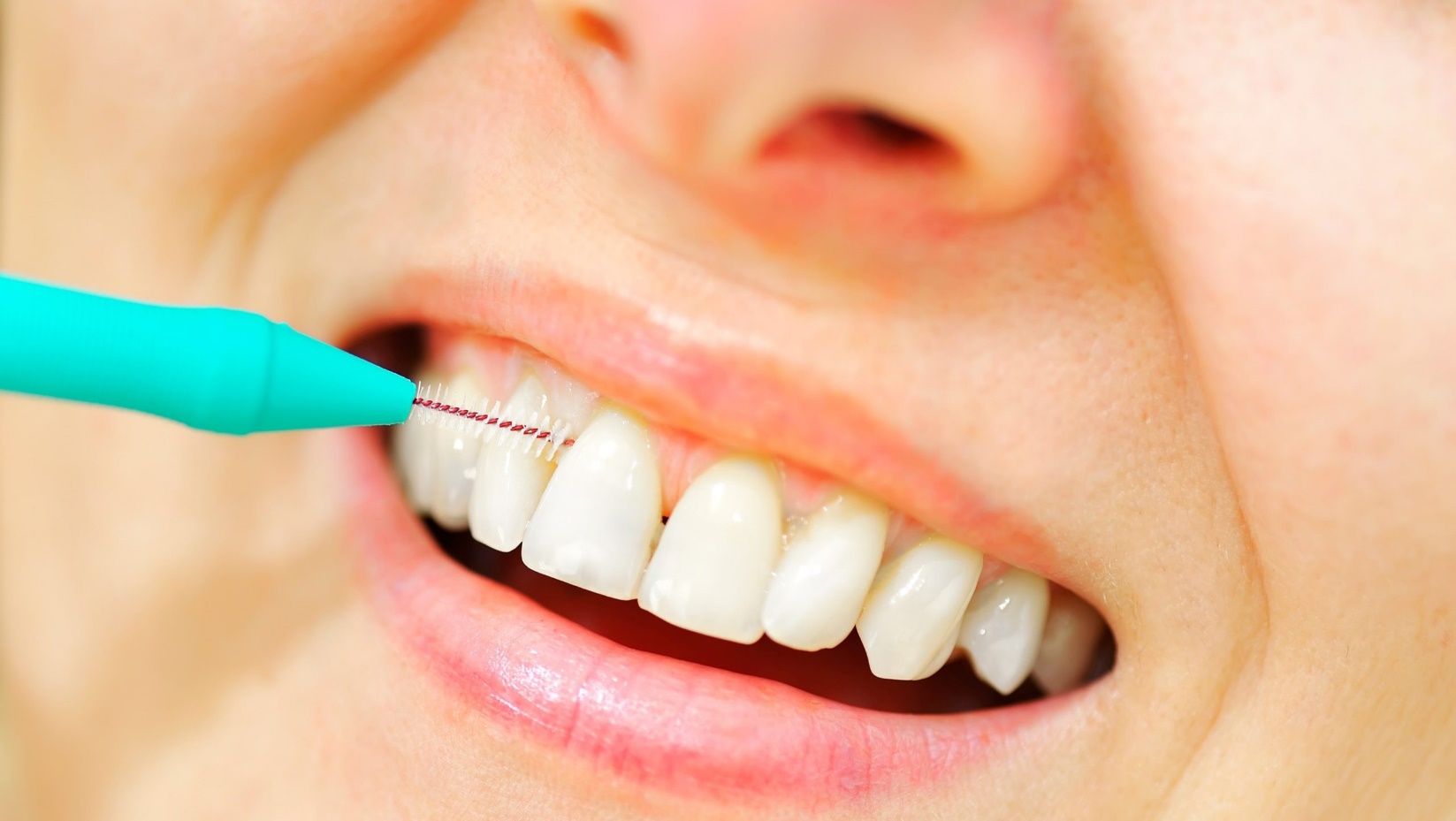
Most children do not need interdental brushes or picks until they have at least two teeth next to each other that touch. For many children, this occurs around age three to four. Initially, parents can use soft silicone or very small brushes to gently clean between teeth.
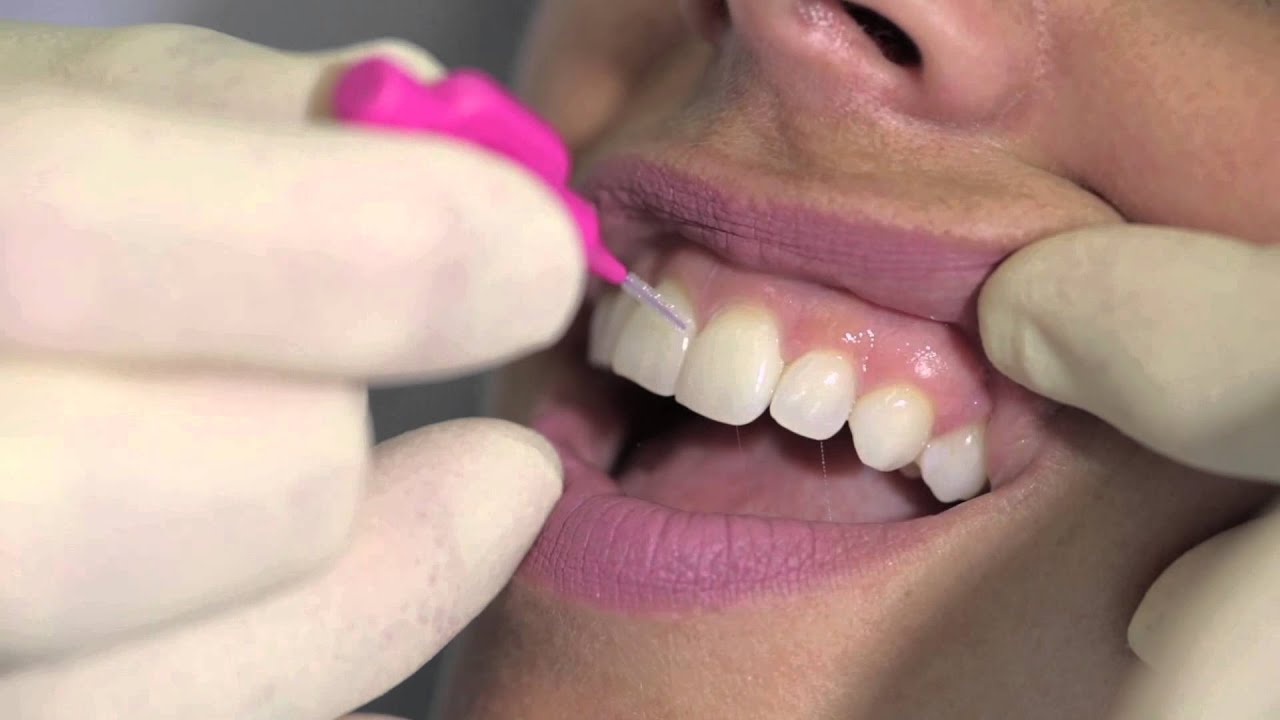
As permanent teeth begin to erupt, typically around age six, interdental cleaning becomes increasingly important. At this stage, children can start learning to use appropriately sized brushes or picks under supervision. Professional guidance ensures the correct size and technique, reducing the risk of injury to sensitive gums.
Safety Considerations
Children’s gums are delicate, so safety is paramount. Key tips include:
- Always supervise interdental cleaning until the child can do it safely alone.
- Use brushes or picks specifically designed for children.
- Do not force the brush or pick into tight spaces; gentle insertion is sufficient.
- Replace brushes regularly to maintain hygiene and effectiveness.
Using the wrong size or forcing tools can cause gum irritation or discourage children from regular use.
Supporting Cavity Prevention
Interdental cleaning complements brushing and fluoride toothpaste in preventing cavities. Plaque removal between teeth reduces the risk of decay, particularly in children with tight spaces or orthodontic appliances. By developing these habits early, children are more likely to maintain good oral hygiene into adolescence and adulthood.
Integrating Interdental Cleaning into a Child-Friendly Routine
A simple, manageable routine might include:
- Brushing twice daily with a fluoride toothpaste.
- Gentle interdental cleaning once daily, ideally in the evening.
- Rinsing with water after meals if brushing is not possible.
- Regular dental check-ups for monitoring and guidance.
Making interdental cleaning fun, for example by using colourful brushes or allowing children to choose their own tools, can improve compliance and reduce anxiety.
Conclusion
Introducing interdental brushes or picks to children is a simple yet powerful step in protecting their growing teeth and gums. With gentle guidance, the right size tools and consistent daily use, children can develop habits that prevent cavities and support long-term oral health. Small, regular efforts in early childhood set the foundation for strong, healthy smiles in the future.
Sources
- NHS – Gum Disease: https://www.nhs.uk/conditions/gum-disease/
- British Society of Dental Hygiene and Therapy: https://www.bsdht.org.uk/
- European Federation of Periodontology: https://www.efp.org
- Cochrane Oral Health Group – Home use of interdental cleaning devices, in addition to toothbrushing, for preventing and controlling periodontal diseases and dental caries: https://www.cochranelibrary.com/cdsr/doi/10.1002/14651858.CD012018.pub2/full
- American Dental Association: https://www.ada.org